高中免费和学校供餐免费

Search documents
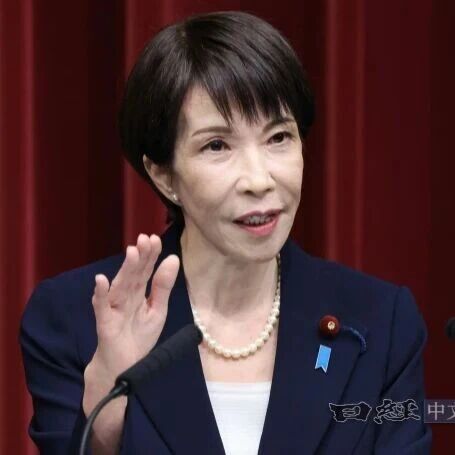
日本众院选举2月8日投票,高市赌上首相去留
日经中文网· 2026-01-20 02:48
Core Viewpoint - The article discusses the announcement by Japanese Prime Minister Sanae Takaichi regarding the dissolution of the House of Representatives and the upcoming elections, emphasizing the need for political stability to implement fiscal reforms and strengthen diplomatic efforts [2][4]. Group 1: Election Announcement and Goals - Takaichi announced the dissolution of the House of Representatives on January 19, with the election schedule set for January 27 for announcements and February 8 for voting [2]. - The goal for the ruling party is to secure more than half of the seats in the election, with Takaichi stating that her continuation as Prime Minister will depend on the public's decision [4]. - This election marks the first House of Representatives election in over a year since October 2024, with a total of 465 seats contested [5]. Group 2: Fiscal Policies and Budget Implications - Takaichi plans to implement "responsible active fiscal" measures and strengthen security policies, indicating a significant policy shift including new economic and fiscal policies [5]. - The dissolution of the House of Representatives may complicate the passage of the 2026 budget, potentially requiring a temporary budget to be drafted [5]. - Takaichi aims to achieve free high school education and free school meals starting from April 2026, contingent on gaining public trust in the elections [5]. Group 3: Tax and Social Security Reforms - Takaichi mentioned that tax reductions, particularly on consumption tax, are included in the coalition agreement with the Japan Innovation Party, which she personally supports [6]. - She did not specify the sources of funding for these reforms but suggested considering adjustments to subsidies and tax measures [6]. - Takaichi expressed intentions to promote discussions on social security reforms through a bipartisan "National Conference" [6][7]. Group 4: Economic Management and International Relations - Takaichi emphasized the need to lower the debt-to-GDP ratio to ensure fiscal sustainability and market trust [7]. - She criticized excessive austerity and insufficient future investments, stating that such trends would end under her administration [7]. - Regarding Japan-China relations, Takaichi acknowledged the need for continued communication with China while maintaining a focus on national interests [7].