负责任的积极财政

Search documents
高市政权“无刹车”,日本民意分化恐加剧
日经中文网· 2026-02-10 07:30
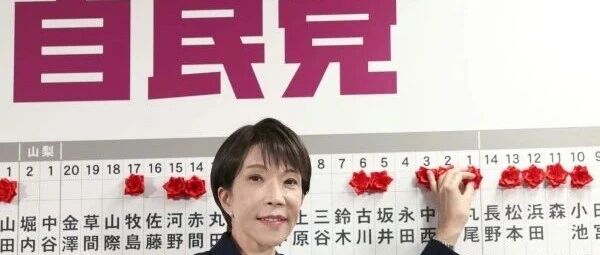
Core Viewpoint - The overwhelming victory of the ruling party in the House of Representatives allows for accelerated policy implementation, but there are risks associated with unilateral decision-making by the Prime Minister [1][7]. Group 1: Election Results and Political Landscape - The Liberal Democratic Party (LDP) secured 316 out of 465 seats in the House of Representatives, achieving over two-thirds of the seats, which strengthens the Prime Minister's governing foundation [3][4]. - The LDP's enhanced negotiating power with opposition parties allows for the passage of budget proposals and legislation even if the House of Councillors rejects them [3][5]. Group 2: Policy Focus and Challenges - The Prime Minister emphasizes the need to implement policies such as "responsible active fiscal policy" and national security measures, despite potential public division on these issues [3][7]. - The government is preparing a bill to allow the issuance of deficit bonds for five consecutive years, which opposition parties argue could weaken fiscal oversight [8]. Group 3: Defense and Security Policies - There is increasing internal demand within the ruling party to raise defense spending to over 2% of GDP, which would require approximately 6 trillion yen for every 1% increase [8]. - Discussions on revising security-related documents are expected to focus on countering threats from China and North Korea, with the Prime Minister advocating for a strategic approach to national interests [8]. Group 4: Cooperation with Opposition - The Prime Minister expresses a willingness to seek cooperation with opposition parties on policies that align with mutual interests, particularly in economic policy [9]. - The recent electoral victory may alter the internal power dynamics of the coalition government, potentially diminishing the influence of the Japan Innovation Party [9].


预告修改和平宪法,扬言营造“拜鬼”环境,高市早苗“赌”赢令多方担忧日本更危险
Huan Qiu Shi Bao· 2026-02-09 22:26
Group 1 - The Liberal Democratic Party (LDP) won 316 seats in the Japanese House of Representatives, exceeding two-thirds of the total, while the Japan Innovation Party secured 36 seats, indicating a strong political mandate for the LDP [1][3] - The newly formed "Center Reform Union" by the Constitutional Democratic Party and Komeito only obtained 49 seats, a significant drop from 167, highlighting a shift in the political landscape [1][3] - The election process was criticized for being overly focused on personal popularity rather than substantive policy discussions, with the LDP leader, Sanae Takaichi, framing the election as a vote of confidence in herself [4][5] Group 2 - The election results are expected to provide Takaichi with a "honeymoon period" in office, but she faces long-standing issues such as stagnant wages, rising prices, and sluggish economic growth that require actionable solutions [5][6] - Takaichi's core policy of "responsible active fiscal policy" lacks a clear implementation blueprint, raising concerns about the sustainability of increased government spending without defined funding sources [6][7] - There are apprehensions regarding Takaichi's foreign policy approach, particularly her comments on Taiwan and plans to revise security documents, which may strain Japan's relations with neighboring countries [7][8]

日本执政党在众议院选举中获胜,对东亚安全局势意味着什么?
Huan Qiu Shi Bao· 2026-02-09 21:38
Core Viewpoint - The recent election results in Japan have led to a significant concentration of power within the ruling Liberal Democratic Party (LDP), raising concerns about the potential for extreme domestic and foreign policy shifts under Prime Minister Sanna Takashi's leadership [1][3][11]. Election Results and Political Landscape - The LDP increased its seats from 198 to 316, surpassing the two-thirds majority threshold in the House of Representatives [1]. - The LDP's coalition partner, the Japan Innovation Party, gained 36 seats, bringing the total for the ruling coalition to 352 [1]. - This election marks an unprecedented concentration of power for a single party in Japan's political history, allowing the LDP to push legislation with minimal opposition [2][3]. Implications for Governance - The LDP's dominance may lead to a significant weakening of the opposition's ability to challenge government policies, effectively rendering the legislative oversight function of the Diet nearly obsolete [2][3]. - Analysts express concerns that this lack of checks and balances could result in a more aggressive and potentially militarized foreign policy, as well as controversial domestic policies such as fiscal expansion and constitutional amendments [3][6][11]. Policy Challenges for the New Cabinet - The new cabinet's immediate priority will be to expedite the approval of the delayed budget for the upcoming fiscal year, amidst calls for responsible fiscal policies [4][5]. - There is a pressing need for the government to clarify its policy details and engage with the public to maintain support, as current approval ratings show a disparity between cabinet and party support [4][5]. Economic and Fiscal Risks - The proposed "responsible active fiscal policy" is viewed as a high-risk economic gamble, with concerns about increasing defense spending while attempting to reduce consumption taxes [6]. - Japan's already high debt-to-GDP ratio raises alarms about the sustainability of such fiscal strategies, with potential repercussions for market confidence and economic stability [6]. Foreign Policy and Regional Security - The new administration is expected to pursue a more assertive security policy, including constitutional revisions and increased military spending, which could exacerbate tensions with neighboring countries, particularly China [7][9][11]. - Analysts warn that Japan's shift towards a more militarized stance could trigger an arms race in East Asia, undermining regional stability and cooperation [10][11]. Public Sentiment and Political Accountability - There is growing public concern regarding Japan's trajectory towards militarization and the potential erosion of its post-war peace-oriented identity [8][11]. - The new government faces the challenge of addressing domestic and international issues while ensuring that its policies resonate with the electorate to avoid political disillusionment [5][10].
日本自民党胜选背后:压倒性胜利还是地区隐忧?
Zhong Guo Xin Wen Wang· 2026-02-09 02:31
Group 1: Election Results and Political Implications - The Japanese House of Representatives election results revealed that the Liberal Democratic Party (LDP) secured 316 out of 465 seats, surpassing the two-thirds majority threshold of 310 seats, solidifying its governing foundation [1] - The victory of the LDP is attributed to a shift in the voter demographic, particularly among the younger and middle-aged groups who have become more conservative and right-leaning, with significant support for the party led by Sanae Takaichi [1] - Takaichi's strong stance on security issues has attracted right-wing voters and those with security anxieties, contributing to her personal popularity and the party's electoral success [1] Group 2: Future Policy Directions - In the security domain, there is an expectation that Takaichi's administration will aggressively pursue nationalist and right-leaning legislative policies, including the expansion of the Self-Defense Forces [2] - Takaichi is likely to persist with her established agenda, which includes constitutional amendments and the formulation of a new national security strategy, although achieving constitutional changes may be challenging in the short term due to opposition from progressive forces [2] - Economically, the LDP plans to implement "responsible active fiscal" policies, including tax reductions, but critics argue that these measures may only serve as temporary solutions and fail to address Japan's long-term economic issues [2] Group 3: Regional Diplomatic Concerns - The LDP's promotion of anti-China sentiments and its push for constitutional amendments and rearmament are seen as potential negative factors affecting peace and stability in the East Asian region, given Japan's historical context of aggression during World War II [3]
日本众院大选,自民党有望单独过半数
日经中文网· 2026-02-08 13:33
Group 1 - The core viewpoint of the article is that the Liberal Democratic Party (LDP), led by Prime Minister Fumio Kishida, has secured a significant victory in the recent House of Representatives election, obtaining more than half of the 465 seats, which will facilitate smoother policy implementation [2][5] - The LDP aims to achieve an "absolute stable majority" of 261 seats, which would allow it to control all permanent committee chair positions and hold a majority in various committees, similar to the situation during the Kishida administration in 2021 [2][4] - The opposition coalition, "Center Reform Alliance," has performed poorly, with a significant reduction in seats from 167 before the election, indicating a lack of support for their platform [2][5] Group 2 - Prime Minister Fumio Kishida's high approval ratings have been a crucial factor in the LDP's electoral success, and he is expected to be reappointed as Prime Minister in the upcoming special Diet session [5][6] - The LDP's election strategy has been effective, with strong performances in various small electoral districts, indicating a solid voter base in regions like Gunma, Shizuoka, and Kumamoto [4][6] - The Japan Innovation Party, a coalition partner, has not significantly increased its seat count, remaining at 34, and is struggling to expand its support outside its stronghold in Osaka [6]
日本大选投票,高市能否稳固政权?
日经中文网· 2026-02-08 02:08
Core Viewpoint - The Japanese House of Representatives election is crucial for the ruling Liberal Democratic Party (LDP) led by Prime Minister Sanae Takaichi, with a target of securing at least 233 seats to maintain governance stability [1][3]. Group 1: Election Goals and Implications - The LDP aims to achieve a minimum of 233 seats, which is necessary for the continuation of Takaichi's administration, especially given the current situation in the House of Councillors where the ruling party does not hold a majority [4][6]. - If the LDP fails to secure a majority in the House of Representatives, it could lead to questions regarding Takaichi's position, as she has stated she would resign if the party does not meet this target [7]. Group 2: Seat Thresholds and Their Significance - Achieving 243 seats would provide a "stable majority," allowing the LDP to control all standing committees and secure chair positions, facilitating smoother legislative processes [8]. - A total of 261 seats would grant the LDP an "absolute stable majority," enabling the party to pass legislation without needing support from opposition parties [9]. - Securing 310 seats would allow the LDP to override any Senate rejections of bills and initiate constitutional amendments, a level of control not previously achieved solely by the LDP [10]. Group 3: Opposition Goals - The opposition coalition, consisting of the Constitutional Democratic Party and Komeito, aims to become the largest party in the House of Representatives, with a focus on accountability for the election results [11]. - The Democratic Party for the People has set a target of 51 seats, which would enable them to propose a no-confidence motion against the cabinet and budget-related bills [11].

日本众议院解散,大选拉开帷幕
日经中文网· 2026-01-23 07:45
Core Viewpoint - The Japanese House of Representatives was dissolved on January 23, leading to a snap election scheduled for February 8, marking the shortest election period since World War II at 16 days [2][4]. Group 1: Election Context - The upcoming election will contest 465 seats, including 289 single-member districts and 176 proportional representation seats, following the dissolution of the House [4]. - The election is a response to Prime Minister Takashi Saito's call for political stability and accountability to the public regarding his administration's policies [4]. Group 2: Political Landscape - The political framework has shifted, with the dissolution of the coalition between the Liberal Democratic Party (LDP) and Komeito, and the Japan Innovation Party joining the government in a non-cabinet role [5]. - The LDP holds 196 seats, while the Japan Innovation Party has 34, totaling 230 seats, which barely exceeds the majority threshold of 233 seats [5]. Group 3: Party Strategies - The LDP aims to achieve a zero food consumption tax rate within two years, promoting discussions in a cross-party national meeting [5]. - The newly formed "Center Reform Coalition" by the Constitutional Democratic Party and Komeito seeks to counter the ruling party, with over 160 members joining [5]. Group 4: Public Support - Prime Minister Takashi Saito's cabinet has maintained a support rate above 70% since taking office, with a reported 75% support in December 2025 [6].
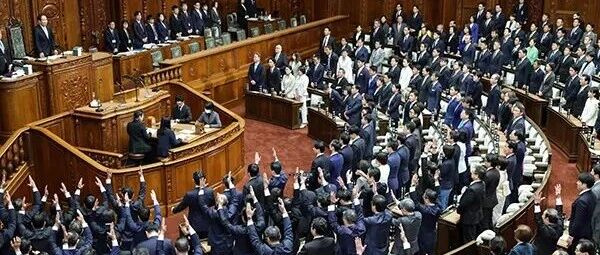
众议院大选在即 日本自民党公布竞选纲领
Zhong Guo Xin Wen Wang· 2026-01-22 05:09
Group 1 - The core viewpoint of the article is that the Japanese Liberal Democratic Party (LDP) has announced its campaign platform for the upcoming House of Representatives election, emphasizing a framework of "responsible active fiscal policy" [1][3] - The campaign platform includes a proposal to establish an investment budget limit to enable flexible fiscal spending [3] - The LDP plans to exempt food from consumption tax for two years and will accelerate research on its funding sources and specific timeline [3] Group 2 - The dissolution of the House of Representatives is scheduled for January 23, with the election announcement set to be made on January 27 [3][4] - Voting for the election will take place on February 8 [4]
日本众院选举2月8日投票,高市赌上首相去留
日经中文网· 2026-01-20 02:48
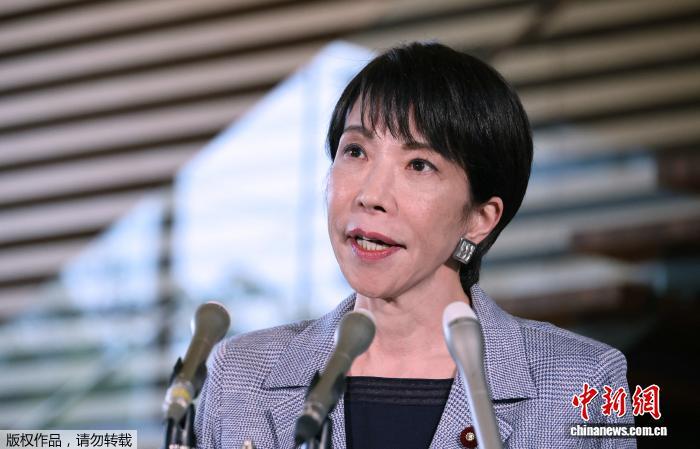
Core Viewpoint - The article discusses the announcement by Japanese Prime Minister Sanae Takaichi regarding the dissolution of the House of Representatives and the upcoming elections, emphasizing the need for political stability to implement fiscal reforms and strengthen diplomatic efforts [2][4]. Group 1: Election Announcement and Goals - Takaichi announced the dissolution of the House of Representatives on January 19, with the election schedule set for January 27 for announcements and February 8 for voting [2]. - The goal for the ruling party is to secure more than half of the seats in the election, with Takaichi stating that her continuation as Prime Minister will depend on the public's decision [4]. - This election marks the first House of Representatives election in over a year since October 2024, with a total of 465 seats contested [5]. Group 2: Fiscal Policies and Budget Implications - Takaichi plans to implement "responsible active fiscal" measures and strengthen security policies, indicating a significant policy shift including new economic and fiscal policies [5]. - The dissolution of the House of Representatives may complicate the passage of the 2026 budget, potentially requiring a temporary budget to be drafted [5]. - Takaichi aims to achieve free high school education and free school meals starting from April 2026, contingent on gaining public trust in the elections [5]. Group 3: Tax and Social Security Reforms - Takaichi mentioned that tax reductions, particularly on consumption tax, are included in the coalition agreement with the Japan Innovation Party, which she personally supports [6]. - She did not specify the sources of funding for these reforms but suggested considering adjustments to subsidies and tax measures [6]. - Takaichi expressed intentions to promote discussions on social security reforms through a bipartisan "National Conference" [6][7]. Group 4: Economic Management and International Relations - Takaichi emphasized the need to lower the debt-to-GDP ratio to ensure fiscal sustainability and market trust [7]. - She criticized excessive austerity and insufficient future investments, stating that such trends would end under her administration [7]. - Regarding Japan-China relations, Takaichi acknowledged the need for continued communication with China while maintaining a focus on national interests [7].

高市借高人气解散众院为长期执政铺路
日经中文网· 2026-01-14 06:32
Core Viewpoint - Japanese Prime Minister Sanna Takashi's decision to dissolve the House of Representatives aims to consolidate political power early, with expectations of increased seats for the ruling Liberal Democratic Party (LDP) due to high cabinet approval ratings exceeding 70% [2][4]. Group 1: Political Context - The dissolution of the House of Representatives is anticipated to occur at the beginning of the regular Diet session on January 23, with the earliest election announcement on January 27 and voting on February 8 [4]. - The LDP's cabinet approval rating has remained above 70% since its establishment in October, with a recent poll indicating a 75% approval rate in December 2025, attributed to Takashi's leadership and economic policy expectations [4][6]. - A senior LDP official expressed confidence that the party would gain seats in the upcoming election, based on favorable polling conducted last autumn [4]. Group 2: Historical Context and Current Dynamics - The last dissolution and election occurred in October 2024 under the Ishiba regime, where the LDP lost 56 seats, resulting in a minority government [6]. - Currently, the LDP and its coalition partner, the Japan Innovation Party, hold a total of 233 seats in the 465-seat House, slightly above the majority threshold [6]. - The LDP aims to secure a majority on its own in the next election to facilitate responsible fiscal policies and security measures, with the belief that no major elections will occur before the summer 2028 House of Councillors election [6]. Group 3: Risks and Challenges - The decision to dissolve the House of Representatives carries risks, including potential policy stagnation and difficulties in passing the 2026 budget, which includes a record defense budget exceeding 9 trillion yen [8]. - Delays in budget approval could lead to temporary budgets, adversely affecting citizens and local governments [8]. - Opposition parties have criticized the timing of the dissolution, questioning its impact on economic policies and the government's accountability regarding rising prices and political funding issues [9]. Group 4: Election Dynamics - The LDP's support rate in December was only 37%, significantly lower than the cabinet's approval rating, indicating a potential disconnect between the party and public sentiment [9]. - The relationship between the LDP and its former coalition partner, Komeito, remains uncertain, with no current electoral cooperation established [9]. - Even if the LDP and the Japan Innovation Party gain seats in the House, the situation in the House of Councillors, where the ruling coalition holds only 119 seats, will not change significantly [9].