高估值泡沫

Search documents
突发特讯!美股收盘:甲骨文带崩大盘,三大指数齐跌,纳指跌近2%,引高度关注
Sou Hu Cai Jing· 2025-12-18 11:45
Group 1 - The core issue is the significant drop in AI-related stocks triggered by Oracle's negative news regarding its data center project for the AI industry, which saw a major investor withdraw [2][4] - Oracle's role as a "infrastructure steward" in the AI industry is crucial, as many AI companies rely on its services for computing power and data processing, leading to market fears about the actual demand in the AI sector [2][4] - The decline in stock prices of major AI companies like Broadcom and CoreWeave reflects a broader concern about the profitability of AI ventures, as many companies are struggling to achieve stable earnings despite high valuations [4][6] Group 2 - The sensitivity of tech stocks to negative news has been highlighted, with high valuations leading to cautious investor behavior; any adverse news can trigger a sell-off [6][9] - Supply chain issues, including shortages of specialized materials and skilled labor, are compounding the challenges faced by the AI industry, potentially leading to project delays and increased costs [6][9] - Despite the current downturn, analysts suggest that this may be a "technical correction" rather than a fundamental failure of AI technology, with long-term growth potential still present in core areas like AI computing and smart chips [8][9] Group 3 - The recent market decline serves as a reminder for investors to focus on tangible fundamentals rather than just narratives, emphasizing the importance of profitability in tech investments [9][10] - Companies are encouraged to prioritize technological advancements and optimize profit models instead of merely expanding capacity or promoting concepts [9][10] - The market is expected to become more discerning, favoring companies with real technological barriers and stable earnings, similar to the post-correction phase seen in the renewable energy sector [8][9]



财说丨趣睡科技陷减持潮、估值泡沫与小米依赖三重困局
Xin Lang Cai Jing· 2025-10-08 23:34
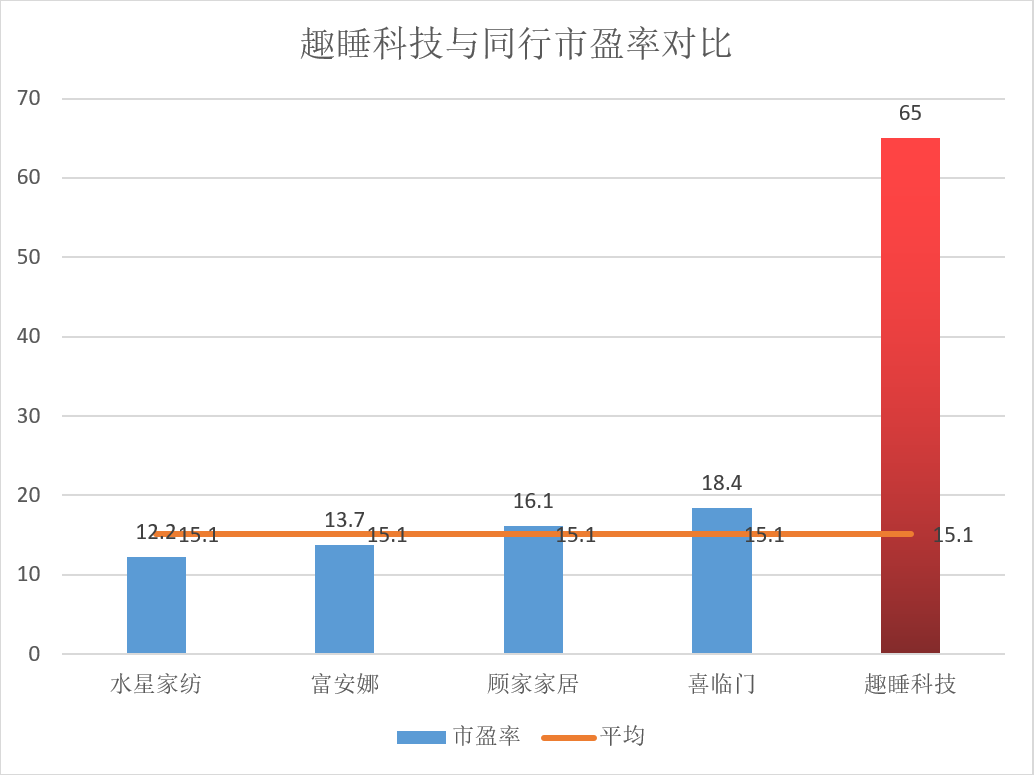
Core Viewpoint - Qushui Technology (301336.SZ) reported a revenue growth of 15.82% and a net profit growth of 19.43% in the first half of 2025, but faces significant challenges including shareholder sell-offs, project delays, and over-reliance on Xiaomi channels for over 60% of its online revenue, raising concerns about its growth story [1][2][3]. Shareholder Actions - In September, Qushui Technology disclosed multiple shareholder reduction plans, including a transfer of 1.2824 million shares by major shareholders at a price of 43.56 CNY per share, which is 16% lower than the market price [2][3]. - A total of six shareholders planned to reduce their holdings by up to 5.49% of the total share capital, with some engaging in "clearance-style reductions," indicating a lack of confidence in the company's future [3][4]. Valuation Concerns - Qushui Technology's price-to-earnings (P/E) ratio stands at 65, significantly higher than competitors like Xilinmen (18.4), Gujia Home (16.1), and the industry average of 15.1, suggesting a valuation bubble [4][6]. - The company's revenue growth of 15.82% and net profit growth of 19.43% are insufficient to justify such a high P/E ratio, leading to investor skepticism [6][9]. Project Delays - Three key projects funded by the IPO are delayed, with the full series product upgrade and home research center projects postponed by one year, and the digital management system project delayed by two years, reflecting poor performance expectations [7][9]. - The delays are attributed to underperformance in market demand and increased competition, indicating a misjudgment in the company's strategic planning [9][10]. Financial Management Issues - Qushui Technology received a regulatory letter for three violations in fundraising management, including exceeding approval limits and improper use of funds, highlighting internal control weaknesses [10][11]. - These issues undermine investor trust and reflect a lack of compliance with regulatory standards [10]. Dependency on Xiaomi - In the first half of 2025, 69% of Qushui Technology's online sales came from Xiaomi channels, which limits pricing power and compresses profit margins due to Xiaomi's strong influence [11][12]. - The company's weak presence in self-owned channels, with only 2% of total revenue from offline sales, raises concerns about its ability to diversify and mitigate risks [13].