高息借贷

Search documents
高息借贷“换壳”潜行: 马甲矩阵、分期场景与退费中介的隐秘博弈
Zhong Guo Zheng Quan Bao· 2026-01-21 21:54
Core Viewpoint - The article discusses the emergence of new high-interest lending models in the context of tightening regulations on loans with annualized interest rates above 24%, highlighting the challenges in identifying true borrowing costs and the rise of complaint-driven intermediaries [1][6]. Group 1: High-Interest Lending Models - New lending products such as "monthly financing guarantees" and "installment malls" have emerged, featuring short borrowing cycles and high fees, targeting individuals with poor credit histories and urgent funding needs [1][3]. - A specific case illustrates a borrower taking a loan of 6,000 yuan with a total repayment amount of 8,318.7 yuan, resulting in an annualized interest rate of 464% [2]. - The "monthly financing guarantee" products typically have short terms of around 30 days and involve small loan amounts, often between 3,000 to 10,000 yuan, with additional high fees that inflate the effective interest rates [3][4]. Group 2: Regulatory Environment - Regulatory measures have intensified, with the China Internet Finance Association conducting inspections on mobile financial apps, leading to corrective actions by several institutions [6][7]. - The People's Bank of China has introduced a classification rating system for non-bank payment institutions, which will impact their operations and regulatory scrutiny based on compliance with lending regulations [7]. - The regulatory focus is shifting towards the entire supply chain of online lending platforms, with recent actions targeting payment institutions that facilitate high-interest loans [6][7]. Group 3: Industry Challenges - The high-interest lending industry operates through a complex and organized structure designed to evade regulatory scrutiny, complicating the tracking and accountability of transactions [4]. - The rise of intermediaries offering to assist borrowers in recovering high fees and interest reflects the growing consumer dissatisfaction and the challenges in navigating the lending landscape [5]. - Payment institutions face difficulties in monitoring the true costs of funds due to the layered nature of partnerships and the obscured characteristics of high-interest products [7].
高息借贷“换壳”潜行:马甲矩阵、分期场景与退费中介的隐秘博弈
Zhong Guo Zheng Quan Bao· 2026-01-21 21:08
Core Viewpoint - The article discusses the emergence of high-interest lending products disguised under new names and structures in response to regulatory tightening on loans with annualized interest rates above 24%. These products target borrowers with poor credit histories and urgent short-term funding needs, utilizing complex and hidden industry chains to evade regulation [1][2][3]. Group 1: High-Interest Lending Products - New lending models such as "monthly financing guarantee" and "installment mall" have developed, featuring short borrowing periods and high fees, leading to significantly elevated effective annual interest rates [1][3]. - A specific case illustrates a borrower taking a loan of 6,000 yuan with a total repayment amount of 8,318.7 yuan, resulting in an effective annual interest rate of 464% [1]. - Complaints against platforms like "Xin Xiaoyong" have surged, with nearly 800 complaints focusing on exorbitant interest rates and hidden fees, including high guarantee fees [2][3]. Group 2: Regulatory Environment - The implementation of regulations prohibiting products with annualized rates above 24% has led to a contraction of previously high-interest lending options, pushing many borrowers to seek alternative, non-compliant products [2][6]. - The China Internet Finance Association has been actively conducting inspections and promoting self-regulation among financial institutions, with some institutions already completing necessary rectifications [6][7]. - New regulations from the People's Bank of China will classify payment institutions based on governance and operational stability, impacting their ability to engage with high-interest lending products [7]. Group 3: Industry Challenges - The complex organizational structure of high-interest lending platforms, often using multiple names and entities, complicates the tracking and accountability of these loans, making it difficult for borrowers to assert their rights [4][5]. - The rise of intermediaries offering to help borrowers reclaim high fees and interest reflects the growing demand for consumer protection in this opaque lending environment [4][5]. - Payment institutions face challenges in monitoring the true cost of funds due to the layered nature of these lending models, which obscures the actual interest rates being charged [7].
年化超300%!这类“小额借款”正被摸排,不少人已中招
第一财经· 2025-11-26 15:00
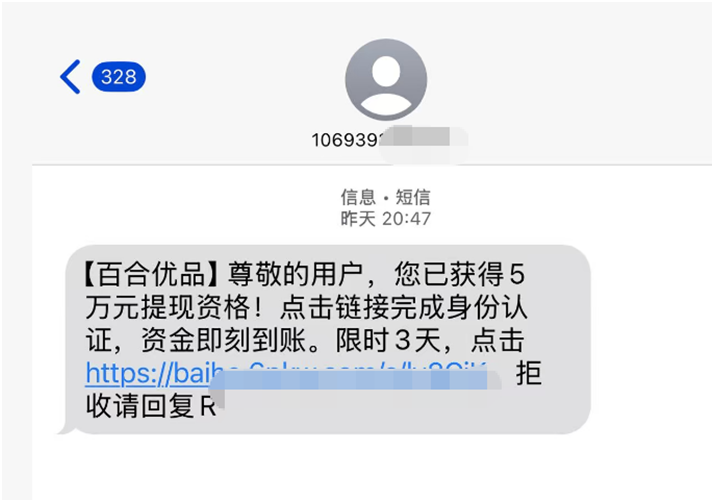
Core Viewpoint - A new lending model called "Yuexi Rongdan" is rapidly spreading through hidden channels after the implementation of new lending regulations, targeting high-risk individuals previously rejected by formal institutions, with effective annual interest rates often exceeding 300% [3][5][6]. Group 1: Overview of "Yuexi Rongdan" - The "Yuexi Rongdan" platforms offer small loans of 3,000 to 5,000 yuan with a one-month term, specifically targeting high-risk customers who have been discouraged by major lending platforms [5][6]. - An example from a platform named "Sensenhua" shows that a borrower taking a loan of 4,000 yuan must repay over 6,000 yuan within a month, including a significant guarantee fee, resulting in a monthly interest rate of 36.9%, exceeding the regulatory cap of 36% [5][6]. - Over 200 complaints related to "Yuexi Rongdan" have been found on third-party complaint platforms, indicating widespread issues across various platforms including "Sensenhua" and "Lanhai Yihua" [6][7]. Group 2: Regulatory Response - The China Internet Finance Association is organizing an industry self-inspection to identify involved enterprises, product names, and operational behaviors, urging institutions to conduct self-correction [3][6]. - Regulatory authorities have begun discussions with high-risk institutions involved in public complaints, indicating a proactive approach to address the emerging risks associated with "Yuexi Rongdan" platforms [7]. Group 3: Hidden Channels and Marketing Strategies - The investigation reveals that "Yuexi Rongdan" platforms utilize various hidden channels for customer acquisition, including loan supermarkets and SMS promotions, making it difficult to trace the actual lending entities [10][28]. - Many platforms employ similar names and marketing strategies to create a matrix of online lending options, complicating the identification of legitimate services [10][12]. Group 4: User Experience and Complaints - Users report that the only operational feature in certain apps is the loan application section, which requires extensive personal information for processing [12][33]. - Complaints indicate that users are often charged exorbitant guarantee fees alongside high-interest rates, with some reporting total repayment amounts significantly exceeding the original loan [15][33].


监管摸排“月系融担”,起底隐蔽的高息借贷引流链条
Di Yi Cai Jing· 2025-11-26 12:29
Core Insights - A new lending model called "Yuexi Rongdan" is rapidly spreading through covert channels after the implementation of new lending regulations, targeting high-risk individuals who have been discouraged by formal institutions, with annualized interest rates often exceeding 300% [1][2] Group 1: Industry Overview - The "Yuexi Rongdan" platforms offer small loans ranging from 3,000 to 5,000 yuan with a short repayment period of one month, specifically aimed at high-risk customers who have been turned away by major lending platforms [2][3] - The China Internet Finance Association is currently organizing an industry self-inspection to identify involved enterprises, product names, and operational behaviors, urging institutions to conduct self-corrections [1][2] Group 2: Case Studies - An example from a platform named "Sensenhua" shows that a borrower taking a loan of 4,000 yuan must repay over 6,000 yuan within a month, including a 700 yuan guarantee fee, resulting in a monthly interest rate of 36.9%, exceeding the regulatory cap of 36% [2][3] - Complaints regarding "Yuexi Rongdan" platforms have been reported on third-party complaint platforms, with over 200 complaints linked to various platforms including Sensenhua, Yingyingji, and Lanhai Yihua [2] Group 3: Regulatory Response - Regulatory authorities have begun discussions with high-risk institutions involved in public complaints to further understand the situation [3] - Some platforms have claimed that they are not directly related to the high-risk lending activities, citing name similarities as the reason for confusion [3] Group 4: Hidden Channels - The investigation reveals that many lending platforms operate under similar names and descriptions, likely due to keyword bidding in online advertising, creating a "matrix" of platforms [4] - Borrowers are primarily exposed to these high-interest platforms through SMS promotions and "loan supermarket" platforms that list various high-interest products [19][20] Group 5: User Experience - Users reported that after submitting personal information on certain apps, they were matched with multiple "Yuexi Rongdan" platforms, indicating a network of interconnected lending services [7][10] - The process of accessing these loans often involves multiple registrations and agreements, with some platforms requiring extensive personal information before revealing loan amounts [22]