高校食堂市场化改革

Search documents
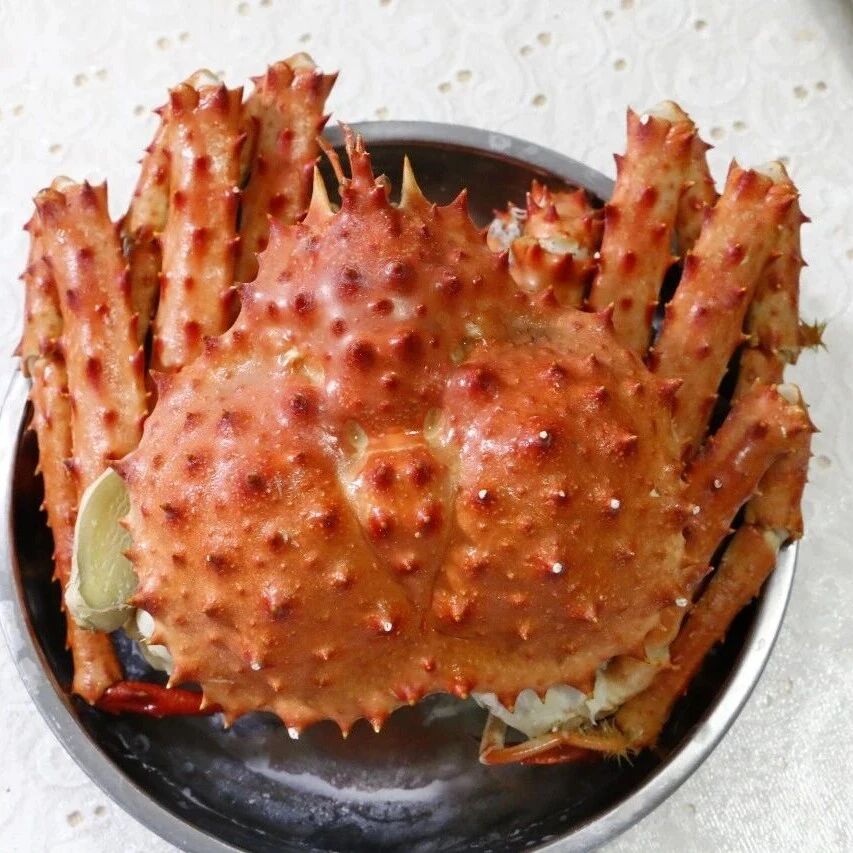
南大999元的帝王蟹,我真想吃一回
36氪· 2025-11-09 02:09
Core Viewpoint - The controversy surrounding the sale of a 999 yuan king crab at Nanjing University's cafeteria reflects broader societal issues regarding consumption, student autonomy, and the role of universities in modern society [5][17][34]. Summary by Sections Introduction - The article discusses the heated debate sparked by the introduction of a 999 yuan king crab at Nanjing University's cafeteria, highlighting differing opinions on luxury consumption in educational settings [5][4]. Arguments For and Against - Opponents argue that offering high-end seafood promotes extravagant spending and contradicts the spirit of frugality, while supporters believe that students should have the freedom to choose their meals, regardless of price [5][13]. - The university's cafeteria has a range of affordable options, indicating that the introduction of the crab was not meant to undermine frugality but to cater to diverse student preferences [5][15]. Market Dynamics - The cafeteria's decision to sell the king crab was part of a market-oriented reform, aiming to enhance the dining experience and meet varied student demands [24][15]. - The overall dining market for universities is projected to exceed 600 billion yuan by 2025, indicating significant growth potential in this sector [15]. Social Commentary - The article critiques the tendency to overreact to the sale of luxury items in educational institutions, suggesting that such reactions often stem from deeper societal anxieties about inequality and consumerism [20][19]. - It emphasizes that the real issue lies in how universities prepare students for real-world choices rather than shielding them from market realities [32][34]. Conclusion - The king crab incident serves as a reminder of the need for a balanced discussion about consumption in educational settings, advocating for a more inclusive approach that respects student autonomy and market dynamics [34][32].