鬼文化

Search documents
易烊千玺的“鬼城”,在西南
3 6 Ke· 2025-11-26 02:32
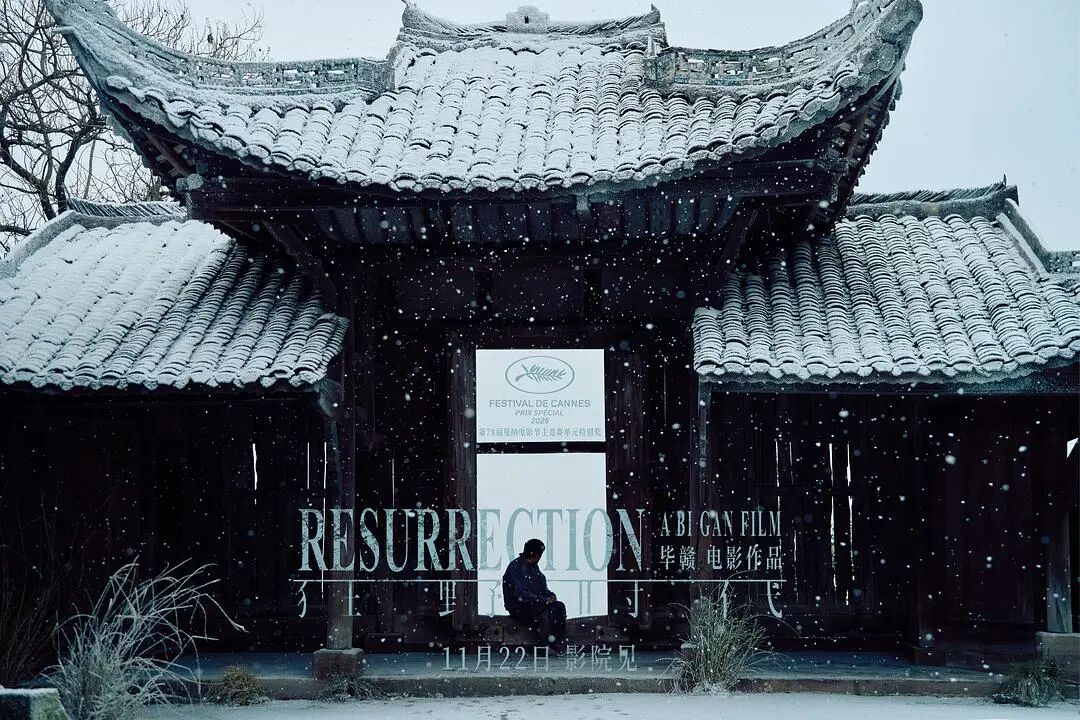
Core Viewpoint - The film "Wild Times" by director Bi Gan explores themes of dreams, life struggles, and the intersection of reality and fantasy, reflecting on the director's artistic journey and personal experiences [2][4]. Group 1: Film Overview - "Wild Times" is a two-hour film that metaphorically represents a century of human experience, showcasing the challenges of life through a series of dreams experienced by the protagonist [2]. - The film pays homage to early cinema, referencing the first film "The Watering Gardener" and the 1905 film "A Trip to the Moon," while also depicting the struggles of life in small towns [2][4]. - The narrative includes various stories set in unique small towns in Southwest China, particularly focusing on the director's hometown of Kaili [2][4]. Group 2: Story Elements - One notable story involves a novice monk in Fengdu, who grapples with guilt over his father's death while helping bandits transport broken statues from a temple [4]. - The monk's journey is intertwined with themes of suffering and redemption, as he encounters a creature that embodies his father, leading to a deeper exploration of his inner turmoil [4][15]. - The film's setting in Fengdu, known as a "ghost city," adds a layer of cultural significance, as it is steeped in folklore and mythological narratives [6][9]. Group 3: Cultural Context - Fengdu's reputation as a ghost city is rooted in historical legends dating back to the Han Dynasty, where figures associated with the afterlife became central to its identity [9][12]. - The city has been marketed effectively, leveraging its ghostly themes to attract visitors and create a unique cultural narrative [7][13]. - The integration of ghost culture into the film reflects a broader societal fascination with life, death, and the supernatural, resonating with audiences on multiple levels [15][16].