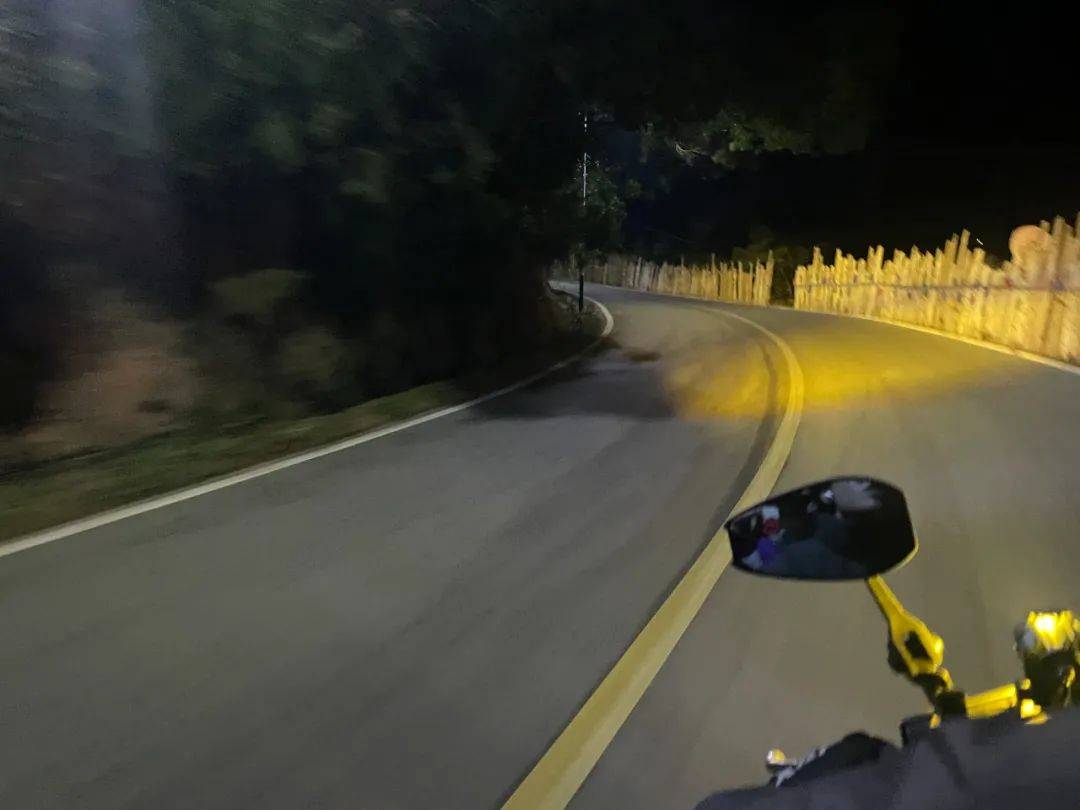
鬼火少年

Search documents
“鬼火少年”飙车炸街挑衅警察?半月谈记者蹲点采访20名青少年
Xin Lang Cai Jing· 2026-02-06 06:35
Core Viewpoint - The phenomenon of "ghost fire youth," a group of teenagers engaging in illegal street racing and reckless behavior, highlights a significant social issue where these individuals, aged 12 to 16, operate in a vacuum of family, school, and social management, leading to a disregard for laws and involvement in more serious criminal activities [1][2][5] Group 1: Behavior and Activities - "Ghost fire youth" often perform dangerous stunts on modified electric motorcycles, seeking attention and thrill, with activities including speeding, weaving through traffic, and even dancing on public structures [2][3] - The modification of electric motorcycles is a common practice among these youths, with costs ranging from hundreds to tens of thousands of yuan, allowing for significant performance enhancements [2][3] - The culture surrounding these activities fosters a sense of camaraderie and encourages further illegal behavior, as participation in such acts is seen as a rite of passage within their social circles [2][4] Group 2: Social and Environmental Factors - Many of these youths come from backgrounds lacking parental supervision and support, leading to rebellious behavior and a desire for recognition through risky activities [5] - Peer influence plays a crucial role, with many youths learning illegal tactics from each other, including how to manipulate their parents for money to fund their motorcycle modifications [5] - The educational environment is also a contributing factor, as teachers feel powerless to discipline these students, leading to a cycle of neglect and further delinquency [5]
乡村波希米亚狂想曲:鬼火少年的希望在哪里?
Hu Xiu· 2025-08-13 23:46
Group 1 - The article discusses the contrasting experiences of children from rural areas and urban families during summer vacations, highlighting the movement of children between cities and their hometowns [1][2][5] - It emphasizes the emotional connection to one's hometown, with many families feeling a strong attachment to their roots despite living in urban environments [3][4] - The article notes the challenges faced by rural children, including a lack of supervision and the influence of negative social behaviors, which can lead to tragic incidents [12][14][18] Group 2 - The article outlines the complex family structures in rural areas, where many children are raised by grandparents due to parents working in cities or facing other hardships [17][18] - It highlights the educational challenges faced by rural students, with many unable to pursue higher education and instead entering the workforce early [14][18] - The piece reflects on the societal implications of these issues, calling for greater attention and intervention to support these children and their families [18][23]
掉队的中学生,正批量成为鬼火少年
Hu Xiu· 2025-04-22 14:14
Core Viewpoint - The article explores the phenomenon of "ghost fire youth," a group of young individuals who engage in reckless motorcycle riding and modifications, reflecting their rebellion against societal norms and the search for identity in a restrictive environment [1][2][3]. Group 1: Emergence of Ghost Fire Youth - The number of ghost fire youth has surged in recent years, expanding from rural areas to cities, often portrayed negatively in media as outcasts of the education system [2][3]. - These youths find a sense of belonging and community in their shared experiences, often seen as shadows outside the mainstream society [3][9]. Group 2: The Cat-and-Mouse Game - In towns like Huangqi, ghost fire youth must constantly evade law enforcement, showcasing their skills in avoiding capture [4][5]. - The article describes the tactics used by these youths to escape from authorities, highlighting their familiarity with local geography [6][7]. Group 3: The Appeal of Motorcycle Culture - Motorcycles, originally a means of transportation, are modified by these youths to enhance performance and aesthetics, becoming symbols of freedom and rebellion [10][11]. - The lack of traffic regulations in their towns provides an ideal environment for these youths to engage in reckless riding, which they find exhilarating [11][13]. Group 4: Rebellion Against Authority - The article discusses the oppressive structures faced by these youths, including violent family dynamics and strict school environments, which push them towards rebellion [23][24][27]. - The desire to break free from these constraints leads to a collective identity among the ghost fire youth, who often engage in risky behaviors as a form of resistance [69][70]. Group 5: Consequences of Their Actions - The article details the legal repercussions faced by these youths due to their illegal activities, including fines and vehicle confiscation [51][53][56]. - Despite the risks, the thrill of riding and the sense of community outweigh the potential consequences for many of these youths [22][43]. Group 6: The Cycle of Despair - As these youths transition into adulthood, many struggle to find stable employment and face societal rejection, leading to a cycle of despair and continued rebellion [84][90]. - The article highlights the ongoing challenges faced by former ghost fire youth, who often find themselves trapped in low-paying jobs or illegal activities [83][96]. Group 7: The Future of Ghost Fire Youth - The article concludes with reflections on the future of these youths, as new generations continue to emerge, perpetuating the cycle of rebellion and societal disengagement [93][94][96].