鸡娃经济

Search documents
“鸡娃经济”大崩溃,为什么大家不打算鸡娃了?
3 6 Ke· 2025-10-24 03:32
Core Insights - The "chicken baby economy" is experiencing a significant decline, with a drastic reduction in the number of offline educational institutions from 124,000 to 4,932, representing a 96% decrease [1] - The phenomenon of "chicken baby" is becoming less relevant, as more families are distancing themselves from this approach to education [3] Group 1: Decline of Educational Institutions - The number of offline academic training institutions has decreased from 124,000 to 4,932, a reduction rate of 96% [1] - Online academic training institutions have also seen a decline from 263 to 52 [1] - Many previously popular international schools are now struggling financially, with examples like Shenzhen Houde Academy owing over 10 million in rent and facing student displacement [1] Group 2: Changing Perceptions of Education - The high return on investment in education is increasingly viewed as an illusion, as the economic conditions that supported this perception have changed [4] - Middle-class families are realizing that the resources spent on education may not yield the expected outcomes, leading to a shift in focus [5] - Many professions now offer high incomes without requiring advanced degrees, indicating a decline in the traditional educational return [6] Group 3: Mental Health Concerns - The intense pressure of the "chicken baby" approach is contributing to significant mental health issues among children, with depression rates among high school students reaching 40% [17] - The phenomenon of "refusing to go to school" is becoming more common, highlighting the psychological toll of excessive educational pressure [19] Group 4: Future of Education - The decreasing birth rate in China is expected to lead to a more relaxed educational environment, with fewer students competing for university spots [12] - The expansion of university admissions is making higher education more accessible, reducing the pressure on families [13] - Parents are beginning to prioritize their children's well-being over academic achievement, recognizing the importance of a balanced approach to education [20]

鸡娃经济大败退
3 6 Ke· 2025-09-25 03:19
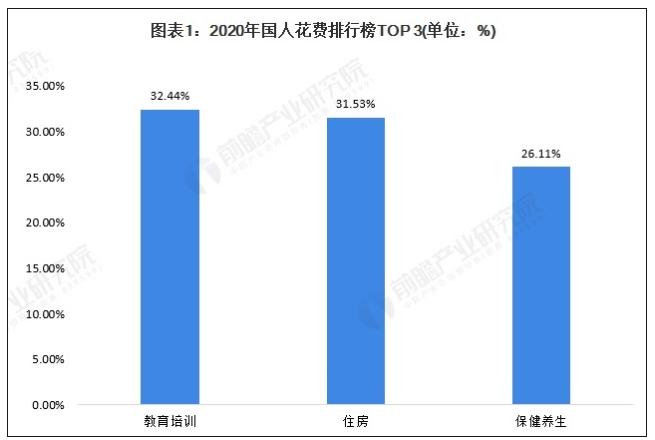
Group 1 - The core viewpoint of the article is that the "chicken baby economy" is showing signs of collapse, driven by a decline in investment returns and changing societal attitudes towards education and child-rearing [2][3][4] - The "chicken baby economy" has led to a significant increase in educational spending, with families prioritizing education over other expenses, making it a dominant expenditure category [5][7] - The collapse of the "chicken baby economy" is reflected in the closure of over 12,000 educational training institutions in 2024, with a 52% drop in transaction volume for school district housing in major cities [2][8] Group 2 - The investment return on education has decreased, with families facing high costs for raising children, averaging 485,000 yuan per child, and the cost of private schooling further increasing this burden [11][12] - The job market has shifted, with lower demand for high degrees, leading to a situation where even graduates with master's degrees struggle to find employment compared to those with lower qualifications [13][14] - The decline in the "chicken baby economy" is part of a broader economic cycle, similar to Japan's experience in the 1990s, where economic downturns led to a reevaluation of educational investments [19][21][23] Group 3 - The article suggests that the focus should shift from intensive educational investments to fostering children's character and well-being, which are seen as more sustainable long-term assets [24]