龋齿

Search documents
一天中最该刷牙的时刻,现在知道还不晚!
Yang Shi Xin Wen· 2025-09-27 21:51
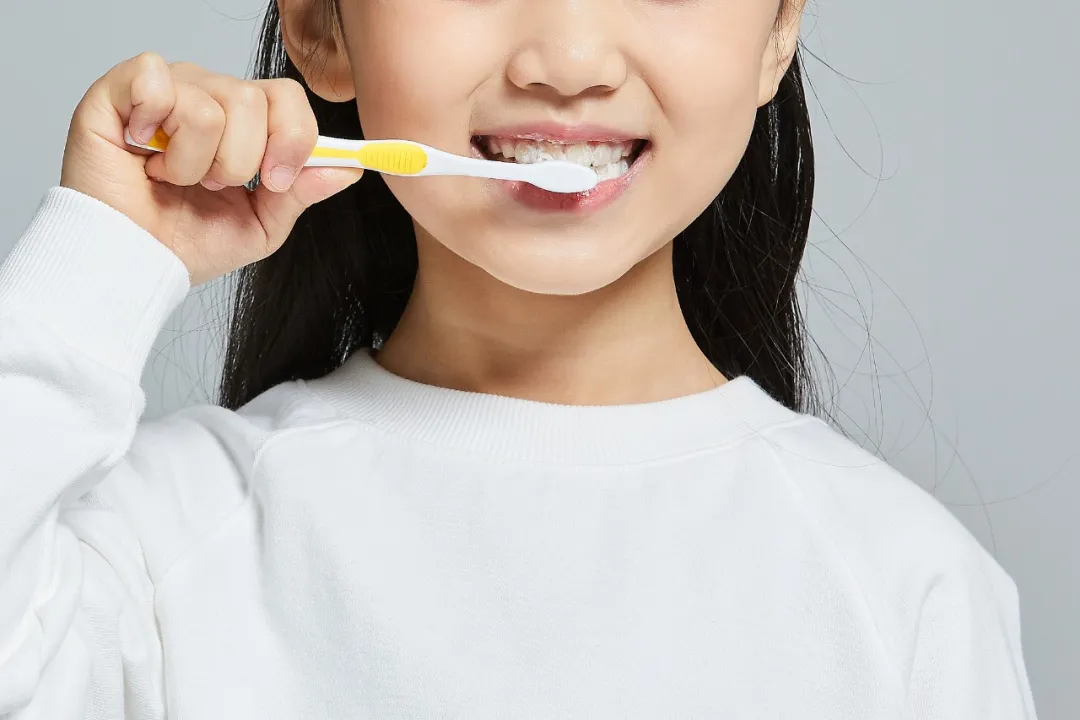
Core Points - The article emphasizes the importance of brushing teeth at least twice a day to maintain oral health and prevent dental issues such as cavities and periodontal disease [4][6]. Group 1: Importance of Brushing Twice Daily - Oral health is threatened by two main enemies: cavities and periodontal disease, caused by bacteria that accumulate on teeth [4]. - Bacterial plaque formation occurs in stages, with significant maturation happening within 24 hours, making it crucial to brush at least twice daily to prevent plaque from becoming difficult to remove [5][6]. Group 2: Importance of Nighttime Brushing - Nighttime brushing is particularly important as it helps control the bacterial load on teeth, especially since saliva production decreases during sleep, reducing natural cleaning [9]. - Brushing at night effectively removes food residues accumulated throughout the day, which can feed bacteria and lead to tooth decay [10]. - Nighttime brushing helps eliminate dental plaque, reducing the risk of cavities and periodontal disease [11]. - It also mitigates oral odor caused by bacteria breaking down food residues, which can be more pronounced if brushing is skipped [12].

动物们从来不刷牙,为什么没有蛀牙?
Hu Xiu· 2025-06-04 12:38
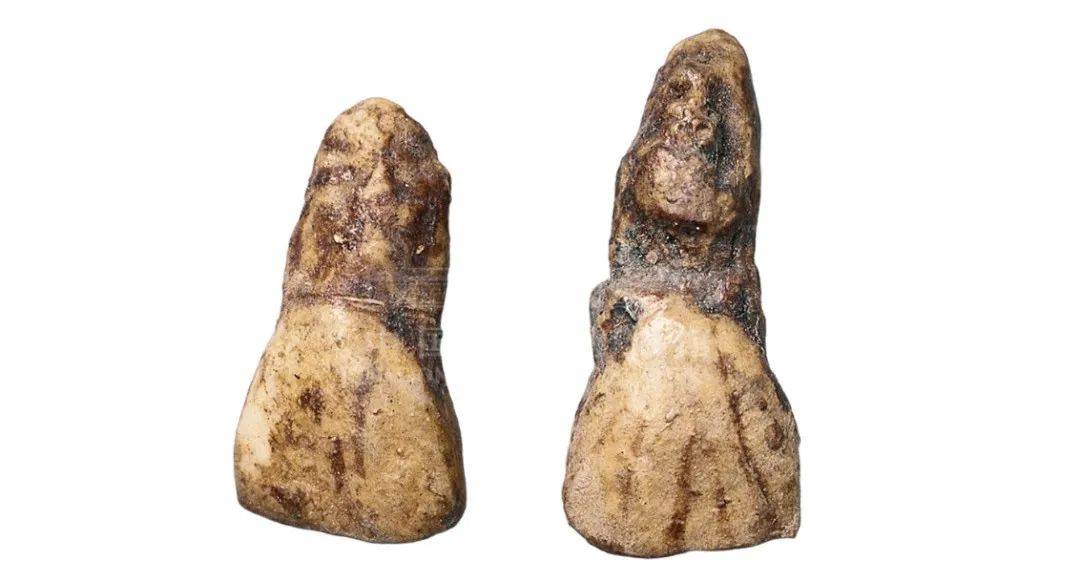
Group 1 - The article discusses the historical struggle of humans against dental caries, known as "cavities," which have been present since ancient times, with evidence found in fossils dating back 500,000 years [4][5][11] - The prevalence of cavities has significantly increased in modern times, with a reported rate of 70.9% among 5-year-old children in a 2017 survey [5][10] - Ancient medical texts provided various methods for dealing with cavities, indicating that the understanding and treatment of dental issues have evolved over time [7][8][10] Group 2 - The article highlights that certain animals, such as fish and rodents, can continuously replace their teeth, making the issue of cavities less relevant for them [12][16][18] - Herbivores, like cows and sheep, have natural mechanisms to maintain dental health through their high-fiber diets, which help clean their teeth [24][26] - The relationship between sugar consumption and the incidence of cavities is emphasized, with historical data linking the rise of sugar production to increased cavity rates in humans [27][29][30]