A股退市多元化

Search documents
年内首家主动退市股来了,股价连续涨停!
Xin Lang Cai Jing· 2026-01-15 13:29
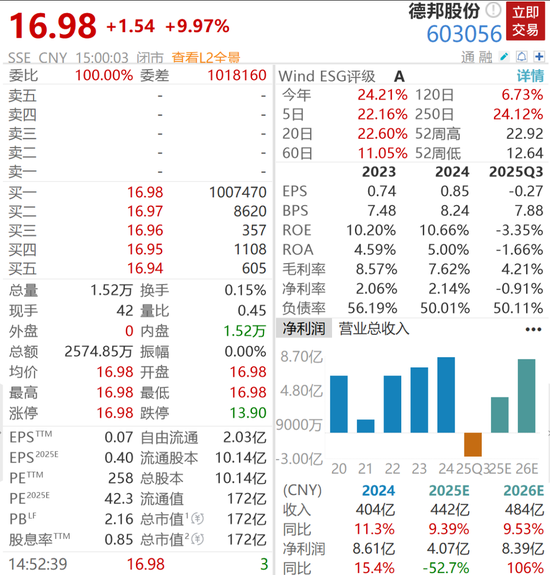
Core Viewpoint - Debon Holdings announced its intention to voluntarily delist from the A-share market, becoming the first company to do so in 2026 and the eighth since 2025, primarily to facilitate resource integration with JD Logistics and fulfill competition commitments [1][5][19]. Group 1: Company Actions - Debon Holdings will provide investors with a cash option at a strike price of CNY 19.00 per share, covering no more than 19.99% of shares, with the record date set for February 6, 2026 [3][17]. - The company has no plans for significant asset restructuring or relisting after the delisting [5][19]. - The delisting is not due to operational difficulties but is part of a strategic move to resolve competition issues following JD Logistics' acquisition of Debon in 2022 [5][19]. Group 2: Industry Trends - The trend of voluntary delistings reflects a diversification of exit channels in the A-share market, with several companies, including Haitong Securities and China Shipbuilding Industry Corporation, opting for voluntary delisting for strategic reasons since 2025 [3][17]. - The number of companies voluntarily delisting is increasing, indicating a healthy market ecosystem where companies exit based on strategic needs rather than solely operational failures [22]. - Regulatory changes have strengthened investor protection mechanisms, requiring companies that delist to provide cash options and ensuring that major violations lead to prior compensation for investors [4][12][27]. Group 3: Regulatory Environment - The regulatory environment is tightening, with over 30 companies delisted in 2025, primarily due to financial and trading issues, alongside an increase in cases of mandatory delisting for major violations [4][11]. - New regulations stipulate that companies engaging in financial fraud for three consecutive years will face mandatory delisting, significantly lowering the threshold for such actions [12][26]. - The regulatory framework aims to create a healthier market ecosystem by promoting a "survival of the fittest" approach, enhancing the overall quality of listed companies [13][27].


年内首家主动退市股来了,股价连续涨停!
21世纪经济报道· 2026-01-15 13:20
Core Viewpoint - Debon Holdings has announced its intention to voluntarily delist from the A-share market, marking it as the first company to do so in 2026 and the eighth since 2025, primarily to facilitate deeper integration with JD Logistics and fulfill commitments regarding industry competition [1][4][7]. Group 1: Company Actions - Debon Holdings will provide investors with a cash option at a price of CNY 19.00 per share, covering no more than 19.99% of shares, with the record date set for February 6, 2026 [4][7]. - The delisting is not due to operational difficulties but is a strategic move to resolve competition issues with JD Logistics, which acquired Debon in 2022 [4][6][7]. - Following the acquisition, JD Logistics increased its stake in Debon to approximately 75.4%, enhancing its control over the company [7]. Group 2: Market Context - The trend of voluntary delistings reflects a diversification of exit channels in the A-share market, with companies like Haitong Securities and China Shipbuilding also opting for voluntary delisting due to strategic mergers [5][10]. - Since 2025, over 30 companies have been delisted, with a significant portion due to financial and trading issues, indicating a tightening regulatory environment [5][13]. - New regulations have increased the rigor of delisting criteria, particularly for companies involved in financial fraud, with a notable rise in cases of mandatory delisting [12][14]. Group 3: Investor Protection - The regulatory framework is evolving to enhance investor protection, requiring companies that voluntarily delist to offer cash options and ensuring that those facing mandatory delisting due to misconduct provide compensation to investors [5][15]. - The emphasis on investor protection is part of a broader strategy to create a healthier market ecosystem, promoting a balance of entry and exit for companies [10][15].