造船行业

Search documents
年内首家主动退市股来了,股价连续涨停!
Xin Lang Cai Jing· 2026-01-15 13:29
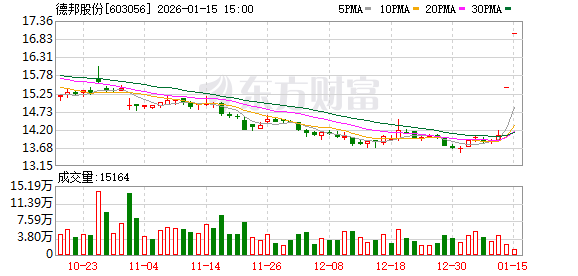
Core Viewpoint - Debon Holdings announced its intention to voluntarily delist from the A-share market, becoming the first company to do so in 2026 and the eighth since 2025, primarily to facilitate resource integration with JD Logistics and fulfill competition commitments [1][5][19]. Group 1: Company Actions - Debon Holdings will provide investors with a cash option at a strike price of CNY 19.00 per share, covering no more than 19.99% of shares, with the record date set for February 6, 2026 [3][17]. - The company has no plans for significant asset restructuring or relisting after the delisting [5][19]. - The delisting is not due to operational difficulties but is part of a strategic move to resolve competition issues following JD Logistics' acquisition of Debon in 2022 [5][19]. Group 2: Industry Trends - The trend of voluntary delistings reflects a diversification of exit channels in the A-share market, with several companies, including Haitong Securities and China Shipbuilding Industry Corporation, opting for voluntary delisting for strategic reasons since 2025 [3][17]. - The number of companies voluntarily delisting is increasing, indicating a healthy market ecosystem where companies exit based on strategic needs rather than solely operational failures [22]. - Regulatory changes have strengthened investor protection mechanisms, requiring companies that delist to provide cash options and ensuring that major violations lead to prior compensation for investors [4][12][27]. Group 3: Regulatory Environment - The regulatory environment is tightening, with over 30 companies delisted in 2025, primarily due to financial and trading issues, alongside an increase in cases of mandatory delisting for major violations [4][11]. - New regulations stipulate that companies engaging in financial fraud for three consecutive years will face mandatory delisting, significantly lowering the threshold for such actions [12][26]. - The regulatory framework aims to create a healthier market ecosystem by promoting a "survival of the fittest" approach, enhancing the overall quality of listed companies [13][27].


德邦主动退市折射新趋势:A股市场“有进有出”生态加速成型
2 1 Shi Ji Jing Ji Bao Dao· 2026-01-15 10:45
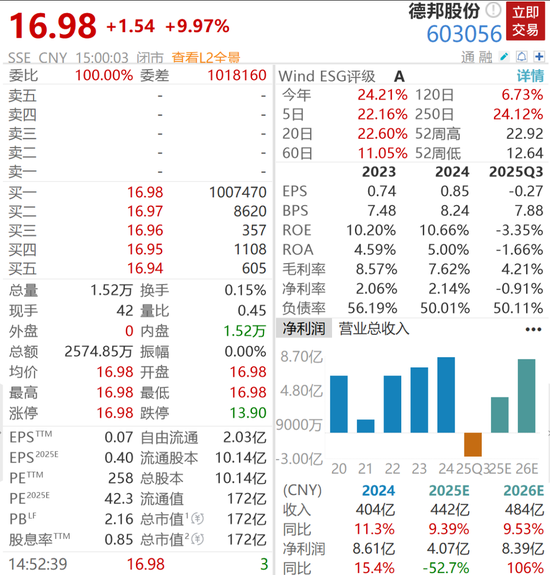
Core Viewpoint - Debon Holdings has announced its intention to voluntarily delist from the A-share market, marking it as the first company to do so in 2026 and the eighth since 2025, primarily to resolve competition issues with JD Logistics following their acquisition [2][3][4]. Group 1: Delisting Details - Debon Holdings will provide investors with a cash option at a price of 19.00 yuan per share, covering no more than 19.99% of shares, with the record date set for February 6, 2026 [2][3]. - The delisting is not due to operational difficulties but is a strategic move to enhance resource integration with JD Logistics, which acquired Debon in 2022 [4][5]. - There are no plans for significant asset restructuring or relisting after the delisting [4]. Group 2: Market Context - The trend of voluntary delisting reflects a diversification of exit channels in the A-share market, with several companies, including Haitong Securities and China Shipbuilding Industry Corporation, opting for voluntary delisting for strategic reasons since 2025 [6][7]. - The increase in voluntary delistings is seen as a positive development for long-term corporate strategy, contrasting with forced delistings, which are often due to financial misconduct [6][7]. Group 3: Regulatory Environment - The regulatory framework is strengthening investor protection, requiring companies that voluntarily delist to offer cash options and ensuring that major violations leading to delisting involve prior compensation for investors [3][10]. - In 2025, over 30 companies were delisted, with a significant portion due to financial issues, highlighting the increasing enforcement of stricter delisting regulations [8][9]. - New regulations have established clear criteria for forced delisting, particularly for companies involved in financial fraud, thereby enhancing market integrity [9][10].