AI与场景融合

Search documents
AI终极入口之战:字节阿里赢了,百度腾讯输了?
3 6 Ke· 2026-02-24 23:39
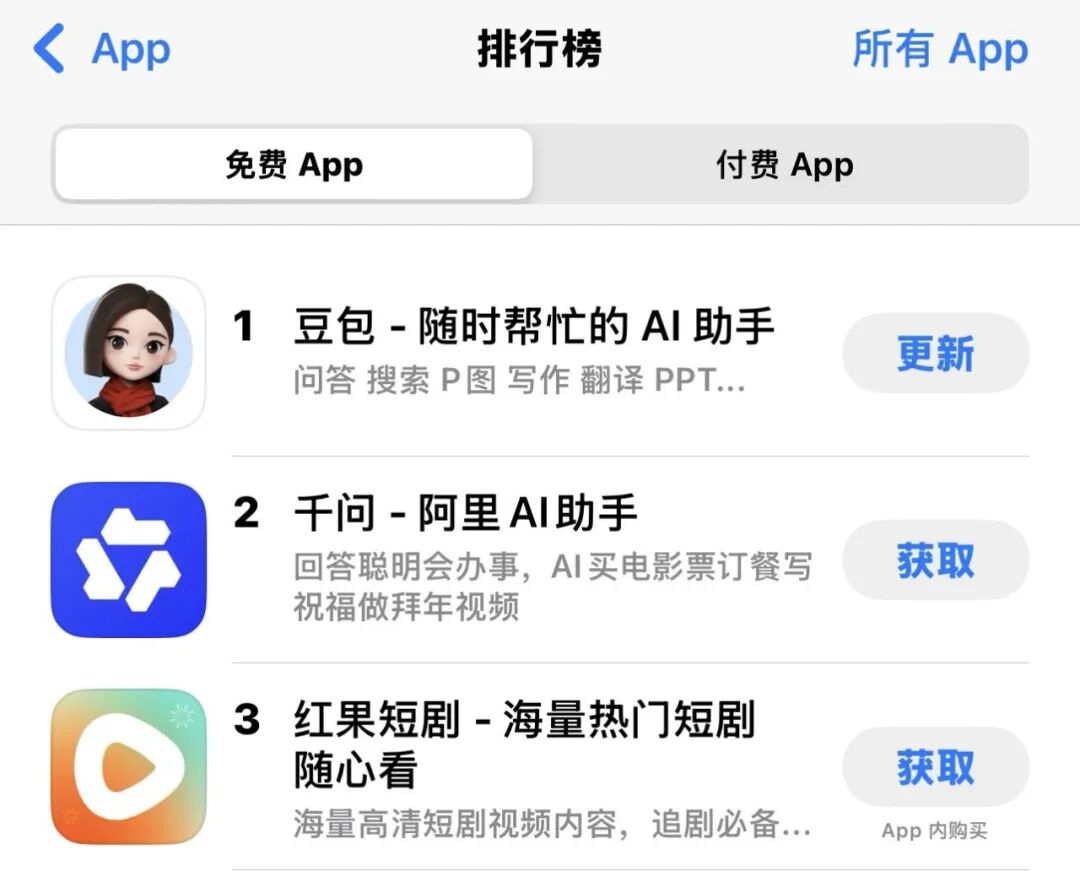
Core Insights - The competition for AI user entry points during the Chinese New Year has seen major investments exceeding 4.5 billion yuan from ByteDance, Alibaba, Baidu, and Tencent, marking a significant moment in China's AI and internet history [1][22] - The battle is not merely about acquiring traffic through financial incentives but about retaining users by integrating AI into daily life and establishing emotional connections [2][24] Group 1: Competitive Landscape - ByteDance's Doubao has successfully maintained its lead, leveraging a combination of entertainment and interaction, while Alibaba's Qianwen made significant strides but could not surpass Doubao [3][7] - Tencent's Yuanbao initially gained traction but quickly fell behind due to strategic contradictions and user retention issues, while Baidu's 500 million yuan investment did not yield the expected results [10][11][16] Group 2: Strategic Approaches - ByteDance's strategy focuses on embedding AI capabilities into high-frequency scenarios, creating emotional value by allowing users to personalize their AI interactions [5][6] - Alibaba's Qianwen has effectively integrated AI into its commercial ecosystem, enhancing user engagement through practical applications in daily services [9][21] Group 3: Challenges Faced - Tencent struggles with internal strategic conflicts, leading to a decline in user engagement with Yuanbao, which failed to provide clear value to users [13][15] - Baidu's reliance on a tool-centric approach limits its ability to compete effectively, as it lacks the ecosystem and user engagement strategies that other competitors have [16][18] Group 4: Future Directions - The competition is expected to shift from merely acquiring users through financial incentives to creating long-term value by embedding AI into everyday life [24][25] - The ultimate success will depend on how well companies can transform short-term user engagement into lasting habits and loyalty [24][27]





以实践为师,从场景出发 | 中国企业管理最佳实践榜入围名单公布
Sou Hu Wang· 2025-08-01 09:29
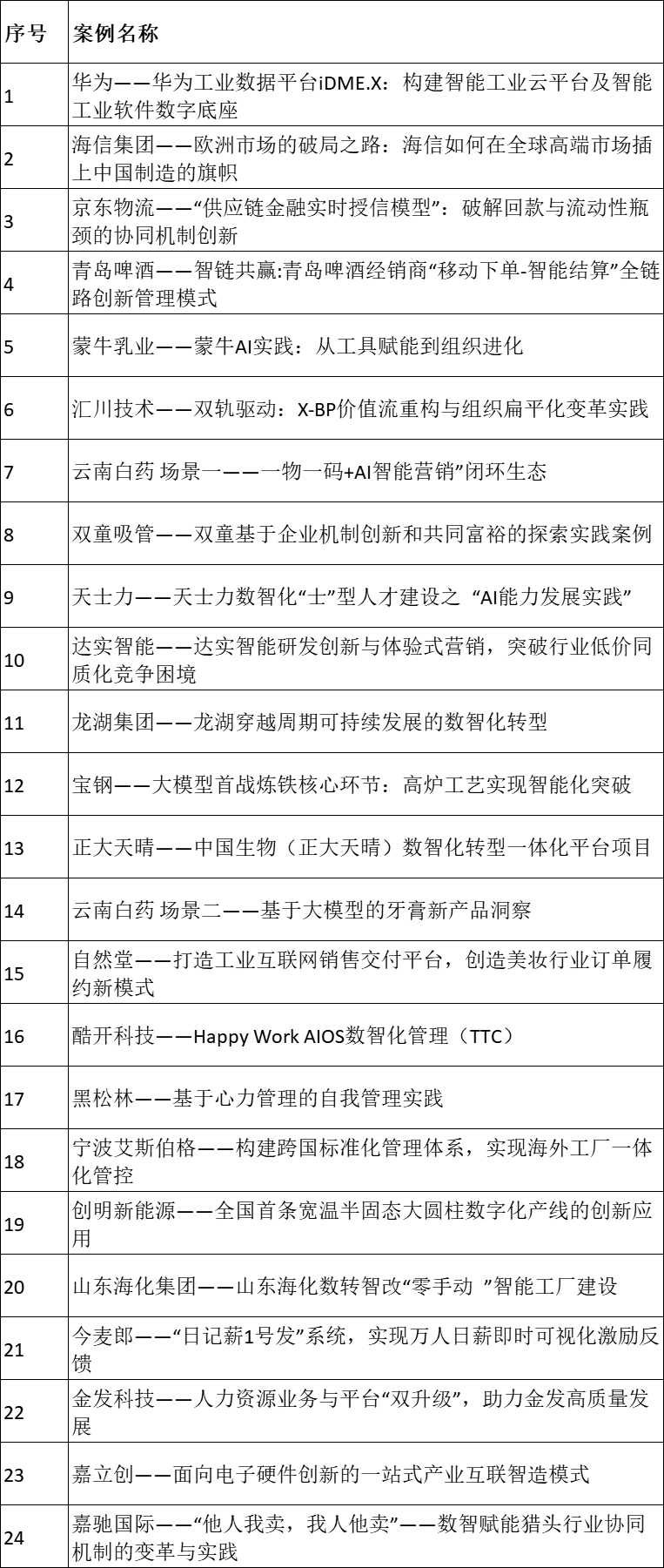
Core Insights - The article emphasizes the transformative era in management, highlighting the disconnect between traditional management theories and current realities, leading to increased uncertainty for managers [1] - It suggests that this challenging period for Chinese enterprises may also be a golden age for paradigm breakthroughs through innovative practices [1] - The focus on scenario-based management is presented as a key approach to effectively address complex organizational challenges [2] Group 1: Scenario-Based Management - Scenario-based management shifts the focus from predefined institutional frameworks to specific, complex, and dynamic management scenarios, ensuring the identification and resolution of real issues [2] - This approach promotes cross-functional collaboration, breaking down traditional functional barriers, and fostering organizational agility and innovation [2][4] - The integration of AI with scenario-based management is becoming a prevalent strategy among leading companies, with over 60% of management scenarios in a recent study applying AI technology [3] Group 2: AI Integration - AI enhances the efficiency of problem-solving within individual scenarios and reshapes the value connections between management scenarios, driving human-machine collaboration [4] - In production, AI has significantly reduced costs and improved efficiency by optimizing real-time scheduling of equipment and materials [4] - The competitive advantage for enterprises is shifting towards the ability to identify high-value scenarios and continuously optimize resource responses, redefining management boundaries and possibilities [4][6] Group 3: Best Practices Recognition - The inaugural "China Enterprise Management Best Practices List" aims to create a platform for sharing innovative practices that effectively manage complexity through scenario thinking [6] - The evaluation process for the list involves a rigorous three-stage review to ensure professionalism and authority, culminating in the announcement of ten leading case studies [6] - The list serves as a reference for enterprises of various sizes and industries, providing insights into effective management solutions and fostering continuous evolution in the integration of technology and management [6] Group 4: Notable Case Studies - The article lists several notable case studies that exemplify innovative management practices, including Huawei's industrial data platform and JD Logistics' supply chain financial model [7][8] - These cases illustrate how companies are responding to contemporary management challenges and leveraging technology for operational improvements [7][8]