AI内容审核

Search documents
“一”字涨停,什么原因?
Zhong Guo Zheng Quan Bao· 2026-02-13 08:55
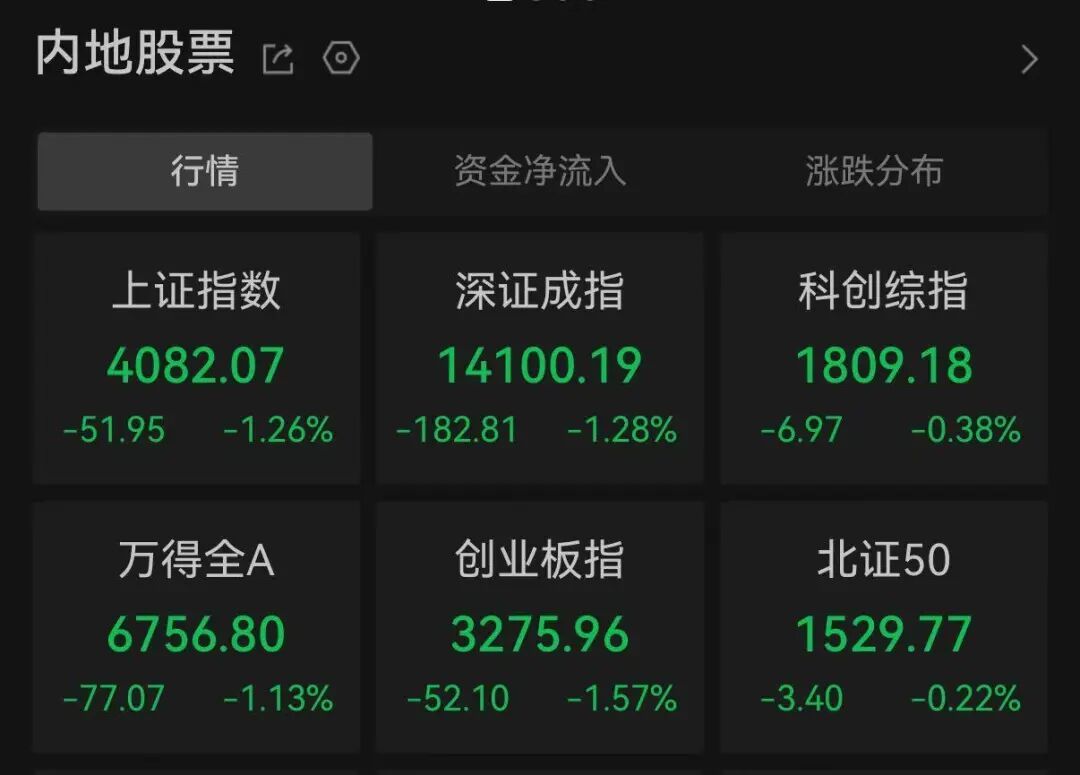
Market Overview - On February 13, the A-share market experienced fluctuations, with the Shanghai Composite Index falling by 1.26%, the Shenzhen Component Index by 1.28%, the ChiNext Index by 1.57%, and the Sci-Tech Innovation Index by 0.38%. The total market turnover was approximately 2 trillion yuan. For the week, the Shanghai Composite Index rose by 0.41%, the Shenzhen Component Index by 1.39%, the ChiNext Index by 1.22%, and the Sci-Tech Innovation Index by 3.17% [1]. Sector Performance - The military equipment, digital watermarking, and paper-making sectors saw significant gains, while previous hot sectors such as photovoltaics, small metals, and steel underwent adjustments. The digital watermarking sector surged, with related concepts like AI content review and AI fraud prevention also performing well. Notable stocks included Guoan Co., which hit the daily limit, and Hanbang High-Tech, which also reached the limit [3]. AI and Content Regulation - Recent reports indicated that some online accounts were publishing AI-generated synthetic information without proper AI identification, misleading the public and harming the online ecosystem. The internet regulatory authority has urged platforms to conduct thorough inspections, resulting in the disposal of 13,421 accounts and the removal of over 543,000 pieces of illegal information. The authority plans to maintain a strict stance against unmarked AI-generated misinformation [5]. AI Model Developments - On February 13, Huoshan Engine announced the launch of the Doubao image creation model 5.0 Lite, with API services expected to be available in late February. Additionally, Zhipu AI released its flagship model GLM-5, designed for complex system engineering and long-term tasks. ByteDance introduced the Seedance 2.0 AI video generation model, which quickly gained attention online. The rapid adoption of AI applications has raised concerns about compliance, authenticity, and safety, leading to a consensus that AI security has become essential [6]. Film Industry Insights - The film industry saw a notable increase in stock prices, particularly for film companies like Light Media, which rose over 15%. The pre-sale for the 2026 Spring Festival film season began on February 9, with Light Media's stock increasing by over 33% during the pre-sale period. As of February 13, the pre-sale box office reached 196 million yuan [10].


AI涉黄,全球拉响警报
36氪· 2026-01-13 13:36
Core Viewpoint - The AlienChat case highlights the ethical and legal gray areas in the AI industry, raising questions about the responsibility of AI service providers in the production of inappropriate content [2][4][19]. Group 1: Case Overview - In September 2025, two developers of the AI companion chat application "AlienChat" were sentenced to four years and one and a half years in prison for producing obscene materials for profit [3][4]. - This case marks the first instance in China where AI service providers faced criminal charges related to pornography, with the involved amount reaching 3.63 million yuan [4]. - AlienChat had approximately 116,000 registered users, of which 24,000 were paying members [4]. Group 2: User Interaction and Content Issues - The application aimed to provide emotional support and companionship to Generation Z users, allowing them to create and interact with customizable AI characters [8]. - A significant portion of the paid users engaged in inappropriate conversations, with over 90% of sampled chat records containing obscene content [9]. - The developers manipulated the underlying system prompts to bypass ethical constraints, leading to the production of explicit content [11]. Group 3: Industry Implications and Responses - The case raises broader concerns about the commercialization of adult content in AI, as companies like OpenAI are exploring ways to offer personalized services while managing content restrictions [13][14]. - The incident reflects a growing trend of AI-generated inappropriate content, prompting global scrutiny and regulatory responses, such as Indonesia temporarily banning the Grok chatbot due to similar concerns [22][23]. - The rapid generation of AI content outpaces traditional content moderation capabilities, leading to potential legal and ethical challenges for developers [24].
AI涉黄,全球拉响警报
Feng Huang Wang· 2026-01-13 05:56
Core Insights - The AlienChat case highlights the ethical and legal gray areas in the AI industry, with significant implications for AI service providers and their responsibilities regarding user-generated content [1][2] Group 1: Case Overview - The developers of AlienChat were sentenced for producing obscene materials for profit, marking the first criminal case in China involving AI service providers and adult content [1] - The case involved 3.63 million yuan in illicit gains and 116,000 registered users, with 24,000 being paid members [1] - Over 90% of paid users were found to have engaged in inappropriate content, as determined by police analysis of chat records [2] Group 2: Developer Intentions and Legal Boundaries - The developers aimed to enhance user experience by making AI interactions more human-like, but their modifications to the underlying system crossed legal boundaries [2] - The court found that the developers intentionally bypassed ethical constraints in the language model, leading to the production of adult content [2] Group 3: Industry Implications - The case reflects a growing concern over the ethical conflicts and regulatory challenges faced by AI companies globally, as similar issues arise in other markets [5] - Companies like OpenAI are exploring adult content features while grappling with the potential risks associated with such offerings [3][4] - The rapid generation of AI content outpaces traditional content moderation capabilities, raising significant safety concerns [6][7] Group 4: Regulatory Responses - Governments are increasingly taking action against AI platforms that facilitate the creation of inappropriate content, as seen with the bans in Indonesia and Malaysia [5] - New regulations, such as the Cybersecurity Technical Requirements for Generative AI Services, impose strict content quality standards on developers [7]
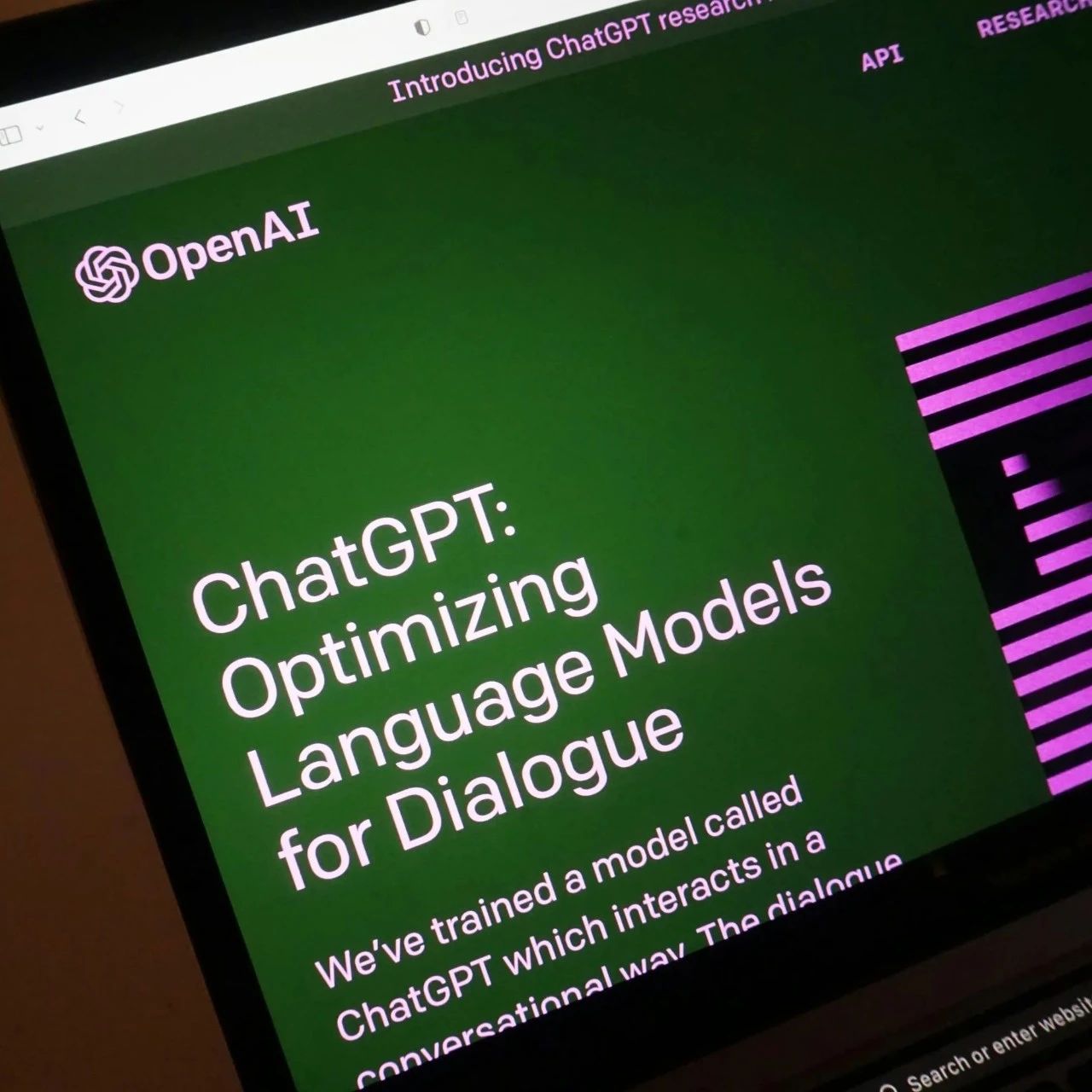
速递|OpenAI的图像生成或审查松绑,从“拒绝”到“中性语境”的平衡
Z Potentials· 2025-03-29 03:57
Core Viewpoint - OpenAI has made significant changes to its content moderation policies, allowing ChatGPT to generate images of public figures and hate symbols under certain conditions, marking a shift from previous restrictions [3][4][5]. Group 1: New Features and Capabilities - OpenAI introduced a new image generator in ChatGPT that can create images in the style of Studio Ghibli, enhancing the platform's image editing, text rendering, and spatial representation capabilities [2]. - The updated policy allows ChatGPT to generate and modify images of previously restricted public figures like Donald Trump and Elon Musk, reflecting a more nuanced approach to content moderation [4]. Group 2: Policy Changes and Rationale - The new content moderation strategy aims to prevent real-world harm while acknowledging the limitations of the AI's understanding, moving away from a blanket rejection of sensitive topics [4][5]. - OpenAI's adjustments are part of a broader initiative to empower users with more control over the content generated by ChatGPT, aligning with the company's long-standing philosophy [6]. Group 3: Industry Context and Implications - The changes may reignite debates over the fair use of copyrighted works in AI training datasets, as OpenAI allows for more creative freedom while still maintaining some restrictions on sensitive queries [6]. - The timing of these policy adjustments is seen as strategic, especially with potential regulatory scrutiny from the Trump administration, as other tech giants like Meta and X have adopted similar approaches [7].