AI及自动驾驶

Search documents
本土失守、美国施压,韩国车企急寻退路,“外资坟场”印度能成为现代起亚的救命稻草吗?
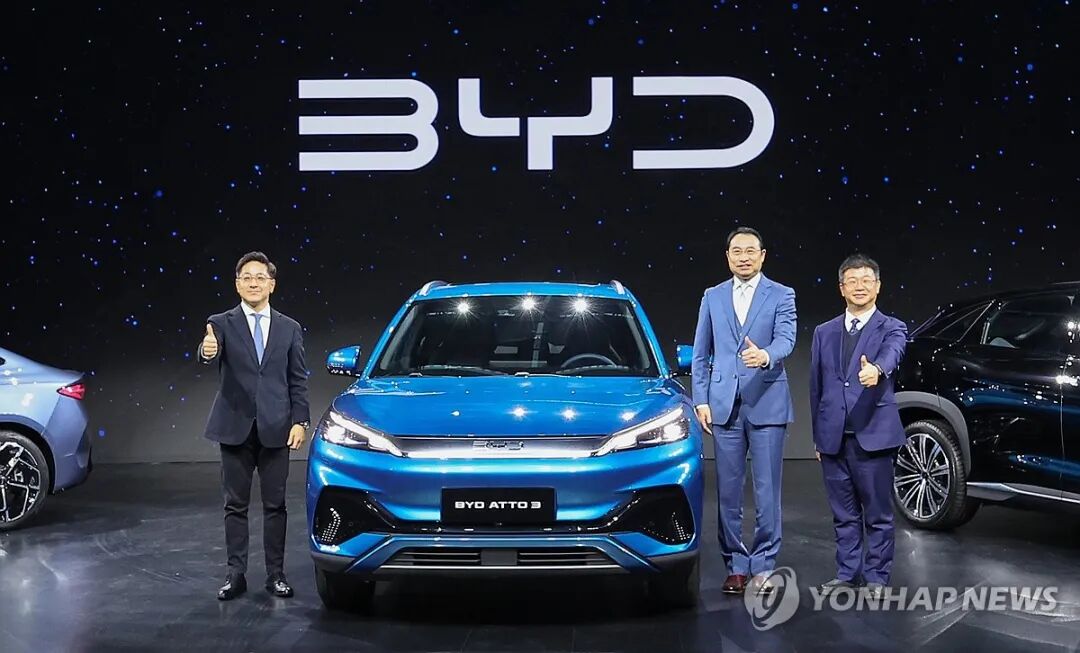
3 6 Ke· 2026-01-29 07:28
Core Insights - South Korean automakers are facing significant challenges due to a decline in domestic electric vehicle (EV) market share and increased import tariffs from the U.S. [1][2][6] - The market share of Korean EVs has dropped from 69% in 2022 to 52% in 2025, indicating a loss of dominance in the domestic market [3][4] - The recent announcement by U.S. President Trump to raise tariffs on Korean goods, including automobiles, from 15% to 25% has exacerbated the situation for Korean car manufacturers [1][6][9] Domestic Market: EV Market Decline - Korean EV market share is projected to decline from 62.7% in 2023 to 52% in 2025, a total drop of 17 percentage points over three years [3] - Despite government subsidies for local EVs, consumer preference is shifting towards imported models, particularly among younger buyers [3][4] - The government offers substantial subsidies, such as 5.7 million KRW (approximately 27,000 RMB) for local models, which is significantly higher than the subsidies for Tesla and BYD models [3] Impact of U.S. Tariffs - The U.S. tariffs are expected to result in a loss of approximately 15% of the U.S. market share for Korean automakers, equating to a vacuum of about 130,000 vehicles annually [7] - The cost burden from tariffs has already reached 4.6 trillion KRW for Hyundai and Kia, with projections that total costs could exceed 5 trillion KRW [7][9] - Exports of Korean automobiles to the U.S. are projected to decline from $34.74 billion in 2024 to $30.2 billion in 2025, a decrease of 13.2% [9] Strategic Shift to India - In response to domestic and international pressures, Korean automakers are increasingly focusing on India as a new strategic market [1][12] - Hyundai has established a significant presence in India, with a market share of 20%, and plans to invest 7.2 trillion KRW by 2030 to expand production and develop models suited for the Indian market [14][20] - India's young population and low EV penetration rate (around 2%) present a substantial growth opportunity for Korean automakers [17][18] Competitive Landscape in India - Korean automakers face strong competition from established Japanese brands, particularly Suzuki, which holds a dominant market share of about 40% in India [26] - Despite the potential for growth, Korean companies must overcome challenges related to brand recognition, local adaptation, and supply chain issues [28][30] - The Indian market's infrastructure and policy stability present additional hurdles that could impact the success of Korean automakers [29][30]