AI售前接待

Search documents
让AI留资率比人工更高,天润云(02167.HK)验证了2个关键技术和3个方法
Ge Long Hui· 2026-01-29 06:54
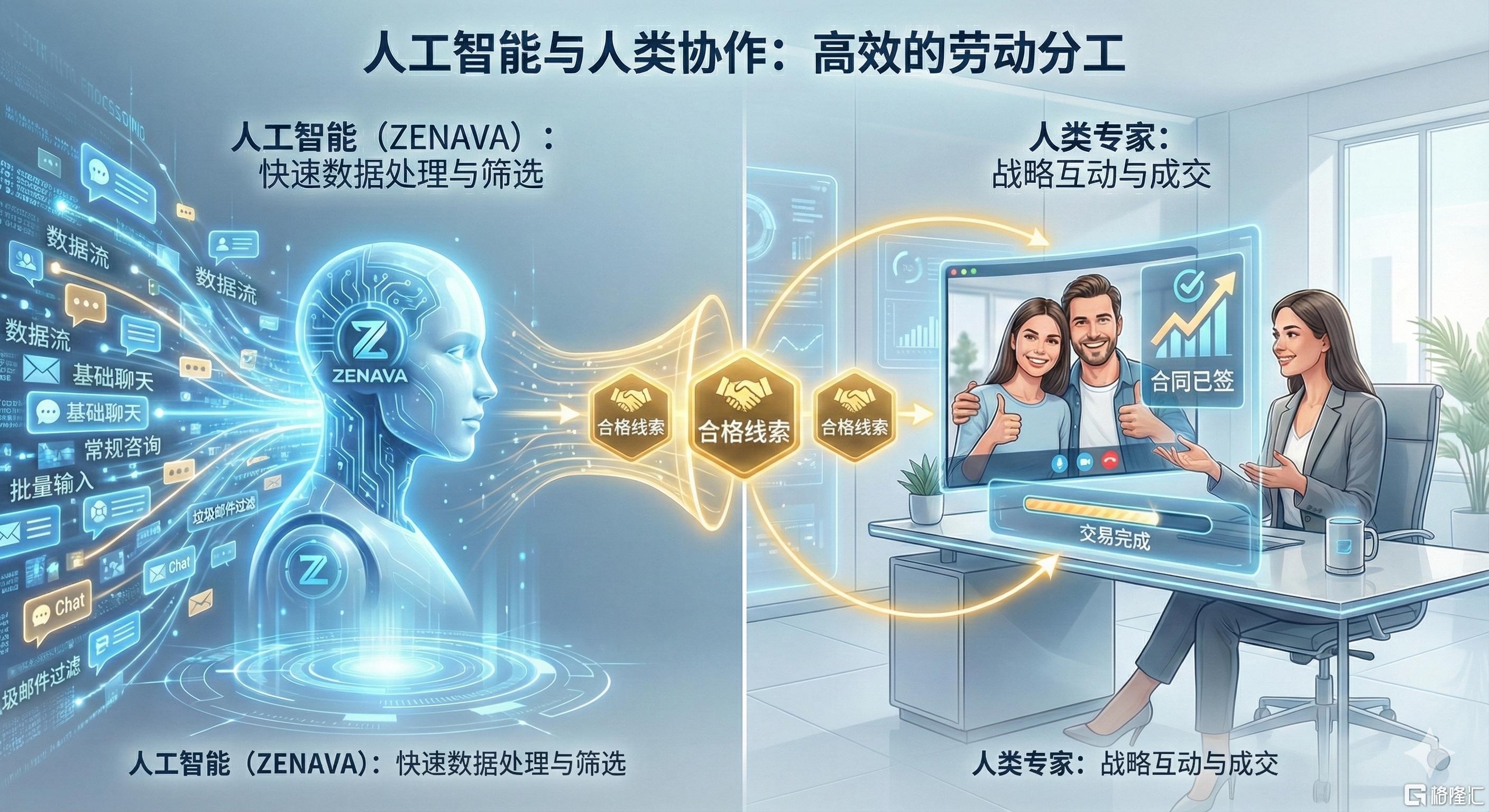
Core Insights - The software industry is experiencing a shift from acquiring new leads to maximizing the conversion of existing leads due to a scarcity of new leads in a saturated market [1][4] - Many companies are considering the use of AI to handle low-value tasks in pre-sales processes, but hesitation remains at the decision-making level due to various concerns [1][7] Group 1: Concerns in AI Adoption - There is a significant worry about declining lead conversion rates; even a slight decrease of 1-2% in conversion could be magnified in a market where leads are already scarce [4] - Customer experience is a major concern, as past experiences with AI customer service have led to negative perceptions, including robotic responses and inability to understand complex queries [5] - The pressure of accountability and decision-making costs is high; introducing AI in pre-sales is seen as a critical decision that could impact business metrics, leading to a preference for maintaining the status quo [6] Group 2: Successful AI Implementation - A leading company in financial information technology successfully implemented ZENAVA for pre-sales reception, resulting in an increase in lead conversion rates and significant cost savings [8] - ZENAVA's capabilities include high concurrency handling, ensuring rapid response times to prevent customer drop-off, and personalized interactions that enhance customer trust [10][11] - The design of ZENAVA focuses on human-like interactions, utilizing visual and verbal cues to create a seamless experience, which has proven effective in retaining customer engagement [12][13] Group 3: Customization and Optimization - The effectiveness of AI solutions varies significantly across different industries and customer types, necessitating tailored dialogue paths and strategies for each specific scenario [16] - Companies are encouraged to engage in discussions around real business scenarios and conduct proof of concept (POC) tests to refine strategies and ensure AI integration aligns with business objectives [16]