AI模型训练版权问题

Search documents
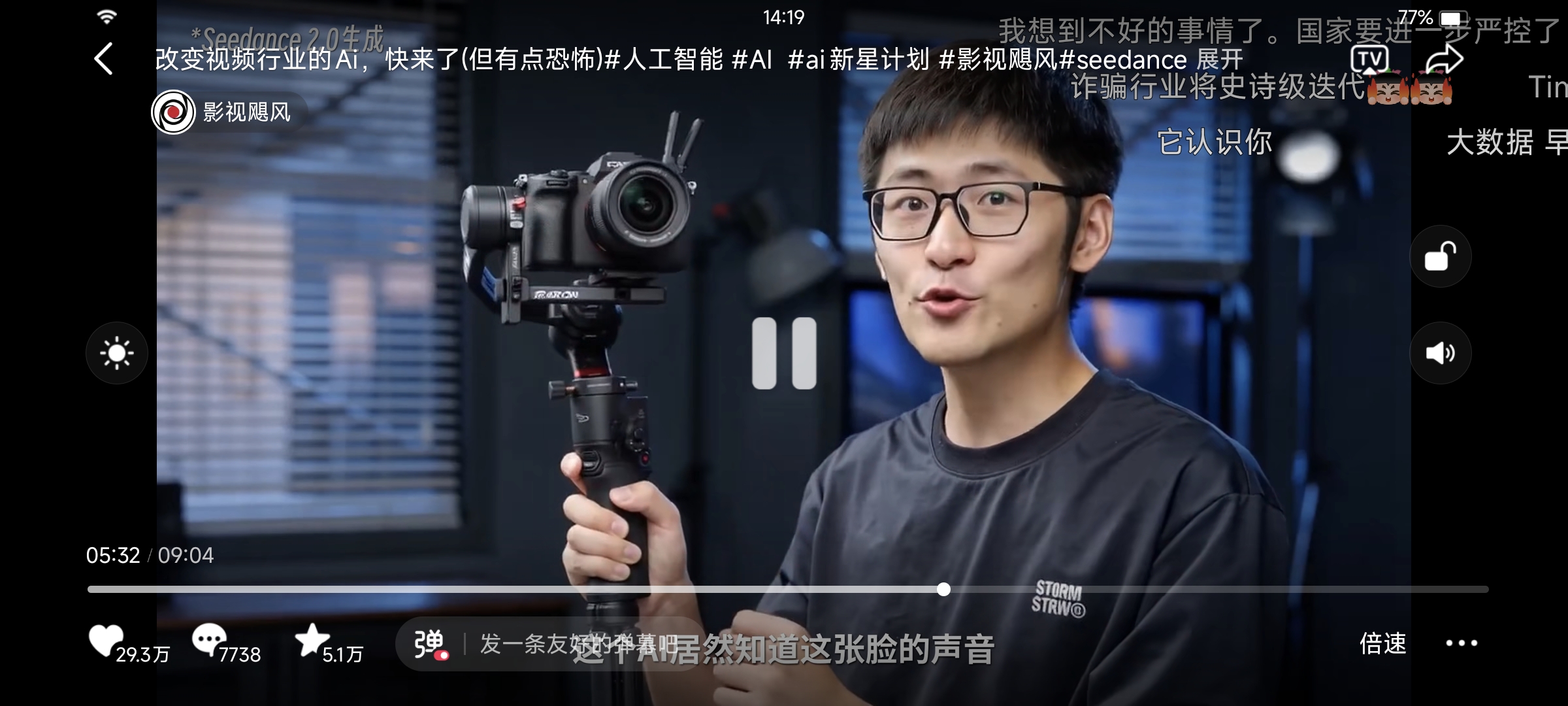
字节又一AI产品刷屏,网红博主担忧“被训练”
Di Yi Cai Jing· 2026-02-09 08:56
Core Viewpoint - The copyright issues surrounding video content in AI model training lack clear legal judgment, raising concerns in the industry regarding the use of personal data without consent [1][5][6]. Group 1: Market Reaction - On February 9, the Hong Kong stock market opened high, with the Hang Seng Index rising by 1.66% and the Hang Seng Tech Index increasing by 1.38%. AI applications saw significant gains, with Zhizhu rising by 37.2% and MINIMAX by 12.04% [1]. - The release of ByteDance's Seedance 2.0 video generation model has sparked widespread evaluation and discussion within the AI industry, showcasing breakthroughs in multi-modal thinking and video generation capabilities [1]. Group 2: Product Evaluation - Tech blogger Tim noted that while Seedance 2.0 produces content of significantly improved quality compared to previous AI video models, it raises concerns about privacy and copyright. The model generated audio resembling Tim's voice without him providing any audio input [2][3]. - Tim's tests with Seedance 2.0 showed that the model could generate videos using images and prompts without explicit user-provided content, indicating extensive training on existing video data [2][3]. Group 3: Copyright Issues - The copyright implications of AI model training are complex, with major companies like Anthropic, OpenAI, and Stability AI facing similar challenges. Recent lawsuits, such as one against NVIDIA for using pirated materials for AI training, highlight the ongoing legal struggles in this area [5]. - Legal experts indicate that the current lack of clear legal frameworks for AI training data usage complicates the situation, with ongoing cases in China and the U.S. reflecting the uncertainty surrounding copyright and AI [5][6]. Group 4: User Agreements - ByteDance's user service agreement grants the platform extensive rights to use user-uploaded content globally, including for advertising and research purposes, which may contribute to the copyright concerns raised by users [4].

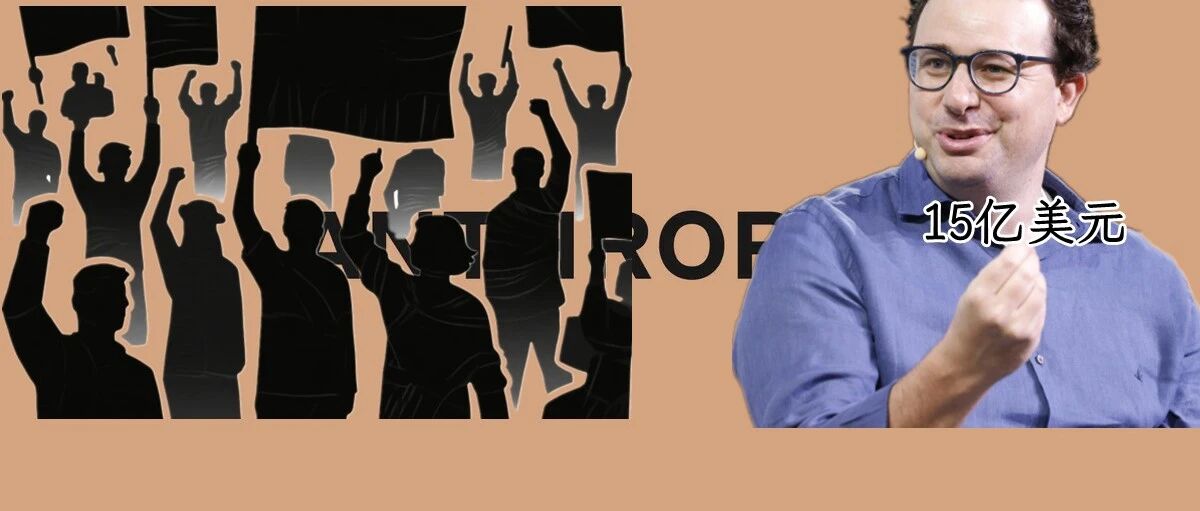
Anthropic被作家告了,违规下载700万本书,15亿美元和解了
机器之心· 2025-09-06 06:00
Core Viewpoint - Anthropic has agreed to pay at least $1.5 billion to settle a collective lawsuit from authors who accused the company of copyright infringement by using their works to train its AI chatbot, Claude. This settlement is seen as a landmark agreement in U.S. copyright history and may signal a turning point in legal disputes between AI companies and creative professionals [2][3]. Summary by Sections Settlement Details - The settlement amount of $1.5 billion involves approximately 500,000 books, resulting in an estimated compensation of $3,000 per work. Anthropic will also destroy all original files and copies downloaded [2][3]. Background of the Lawsuit - Anthropic was found to have downloaded over 7 million e-books from piracy sites, which were knowingly pirated. Initially, the compensation was estimated at $750 per work, but this increased to $3,000 after removing duplicates and non-copyrighted works [3][4]. Legal Arguments - Anthropic argued that using copyrighted works for AI training could be considered "fair use" under U.S. copyright law due to its transformative nature. However, this defense was undermined by the fact that the works used were pirated [4][5]. Industry Implications - The settlement sends a strong message to the AI industry about the consequences of using pirated works for training. The CEO of the Authors Guild views it as a positive outcome for authors and publishers, while some believe it reflects a victory for tech companies [5][6]. Financial Context - Although $1.5 billion seems substantial, it is relatively minor compared to Anthropic's recent $13 billion funding round and a valuation of $183 billion, with annual revenue exceeding $5 billion [6][7]. Broader Industry Trends - Anthropic's settlement aligns with a trend in the tech industry where companies prioritize business growth and later pay fines that are small relative to their scale. Other AI companies, such as Apple and Warner Bros., are also facing similar lawsuits for copyright infringement [7][9]. Ongoing Legal Uncertainties - The settlement does not clarify whether AI training constitutes fair use, leaving key legal questions unresolved for future cases. This ambiguity may be perceived as a victory for generative AI companies [11][16]. Future Considerations - The case sets a precedent indicating that using text to train AI models may not constitute copyright infringement. This could influence how other major players like OpenAI and Google approach similar legal challenges in the future [17][18].