AI研究

Search documents
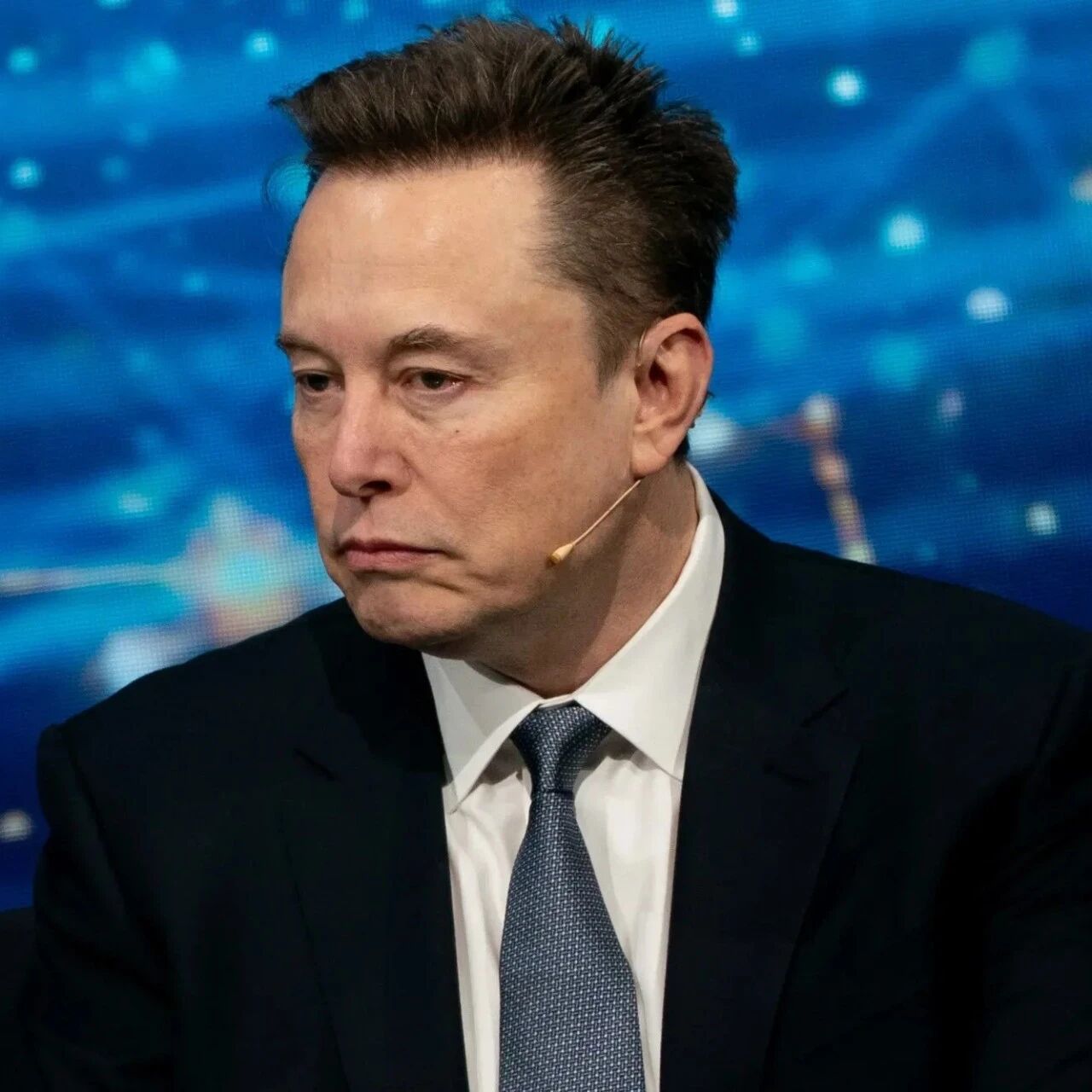
只剩马斯克自己!xAI 11个联合创始人跑光了
创业邦· 2026-03-30 04:15
Core Viewpoint - The departure of Ross Nordeen, the last co-founder of xAI besides Elon Musk, signifies a complete turnover of the founding team, raising concerns about the company's future and leadership stability [10][11][12]. Group 1: Departure of Founders - Ross Nordeen's exit marks the end of a significant chapter for xAI, as all 11 co-founders will have left by March 2026, indicating a rare and complete turnover in Silicon Valley's startup history [43][44]. - The list of departures includes key figures from top AI organizations, highlighting the loss of elite talent that was initially attracted to xAI [45][46]. - The departures were not just routine; they reflect deeper issues within the company, as evidenced by the high-profile exits of individuals like Christian Szegedy and Igor Babuschkin [29][30]. Group 2: Nordeen's Role and Impact - Nordeen was crucial in xAI's operations, directly reporting to Musk and ensuring the execution of company priorities, making him a key figure in the organization [14][15][16]. - His expertise in building data centers and supercomputing infrastructure was pivotal for xAI's ambitious projects, including the Colossus AI training cluster, which consists of over 200,000 NVIDIA H100 GPUs [20][18]. - The loss of Nordeen, described as Musk's "right hand," underscores the severity of the situation at xAI, as he was integral to the company's operational success [24][25]. Group 3: Financial Context and Company Valuation - At the time of the departures, xAI was valued at $250 billion, following a stock-based acquisition by SpaceX, which raised questions about the sustainability of such a high valuation amidst leadership turmoil [48][50]. - The company had recently secured $2 billion in funding from Tesla, indicating strong financial backing, yet the exodus of the founding team suggests that financial resources alone cannot retain top talent [50][51]. - The situation reflects a broader trend where even well-funded startups struggle to maintain their core teams, particularly in high-pressure environments like AI research [51][52]. Group 4: Musk's Management Style and Challenges - Musk's management approach, characterized by high pressure and rapid execution, has proven effective in hardware engineering but less so in the nuanced field of AI research, where talent retention is critical [65][66]. - The acknowledgment by Musk that xAI was not built correctly and needs to be rebuilt from the ground up raises concerns about the company's direction and the viability of its current projects [52][54]. - The competitive landscape for AI talent is fierce, with major players like Meta and OpenAI aggressively recruiting, making it difficult for xAI to recover from its leadership losses [60][83]. Group 5: Future Prospects for xAI - Despite the challenges, xAI still possesses significant assets, including the Colossus supercomputing infrastructure and integration with the X platform, which could provide a competitive edge [76][77]. - Musk is actively seeking to replenish the team by recruiting from other companies and reviewing past applications, indicating a commitment to rebuilding the organization [80][81]. - However, the unique culture and collaborative dynamics established by the original founding team may be difficult to replicate, posing a significant hurdle for future success [81][82].

Meta's court losses spell potential trouble for AI research, consumer safety
CNBC· 2026-03-29 12:00
Core Viewpoint - Meta's recent court losses highlight the contradictions between its internal research findings and public portrayals, raising questions about the company's accountability regarding user safety, particularly for minors [2][6][12]. Group 1: Internal Research and Legal Implications - Meta's internal research indicated significant issues, such as a concerning percentage of teenage users facing unwanted sexual advances on Instagram and findings suggesting reduced depression and anxiety among users who limited their Facebook usage [9][10]. - The company faced legal challenges in New Mexico and Los Angeles, where juries concluded that Meta inadequately managed its platform, endangering children [2][6]. - The internal documents presented during the trials included executive emails and research that contradicted Meta's public safety claims, which were pivotal in the jury's decisions [9][16]. Group 2: Impact of Whistleblowing and Research Suppression - The actions of whistleblower Frances Haugen in 2021 led to significant public scrutiny and changes within Meta, as her disclosures revealed the company's awareness of potential harms associated with its products [12][13]. - Following Haugen's revelations, Meta restricted its research teams, leading to a reduction in studies that could be perceived as detrimental to the company's image [3][14]. - The tech industry, including companies like OpenAI and Google, is now grappling with the balance between prioritizing product development and supporting independent research, which is crucial for understanding the societal impacts of their technologies [17][18]. Group 3: Future Considerations for AI and Research Transparency - As AI technologies gain prominence, there is a pressing need for transparency regarding their impacts, particularly on vulnerable populations like children [17][18]. - Experts emphasize the importance of independent research to avoid repeating past mistakes seen with social media platforms, advocating for systems that ensure public access to research findings [15][18].