
产品安全

Search documents
Meta's court losses spell potential trouble for AI research, consumer safety
CNBC· 2026-03-29 12:00
Core Viewpoint - Meta's recent court losses highlight the contradictions between its internal research findings and public portrayals, raising questions about the company's accountability regarding user safety, particularly for minors [2][6][12]. Group 1: Internal Research and Legal Implications - Meta's internal research indicated significant issues, such as a concerning percentage of teenage users facing unwanted sexual advances on Instagram and findings suggesting reduced depression and anxiety among users who limited their Facebook usage [9][10]. - The company faced legal challenges in New Mexico and Los Angeles, where juries concluded that Meta inadequately managed its platform, endangering children [2][6]. - The internal documents presented during the trials included executive emails and research that contradicted Meta's public safety claims, which were pivotal in the jury's decisions [9][16]. Group 2: Impact of Whistleblowing and Research Suppression - The actions of whistleblower Frances Haugen in 2021 led to significant public scrutiny and changes within Meta, as her disclosures revealed the company's awareness of potential harms associated with its products [12][13]. - Following Haugen's revelations, Meta restricted its research teams, leading to a reduction in studies that could be perceived as detrimental to the company's image [3][14]. - The tech industry, including companies like OpenAI and Google, is now grappling with the balance between prioritizing product development and supporting independent research, which is crucial for understanding the societal impacts of their technologies [17][18]. Group 3: Future Considerations for AI and Research Transparency - As AI technologies gain prominence, there is a pressing need for transparency regarding their impacts, particularly on vulnerable populations like children [17][18]. - Experts emphasize the importance of independent research to avoid repeating past mistakes seen with social media platforms, advocating for systems that ensure public access to research findings [15][18].


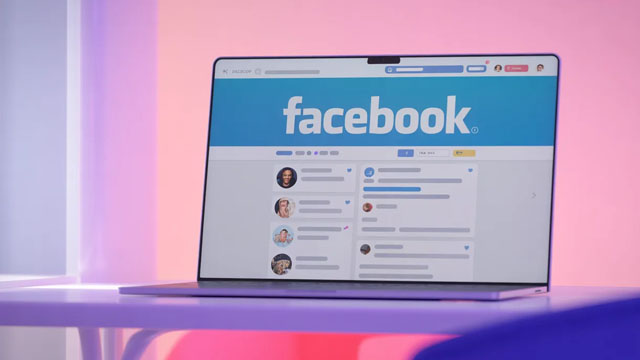
蓝媒热评丨安全不能“藏”起来
Xin Lang Cai Jing· 2026-02-06 11:20
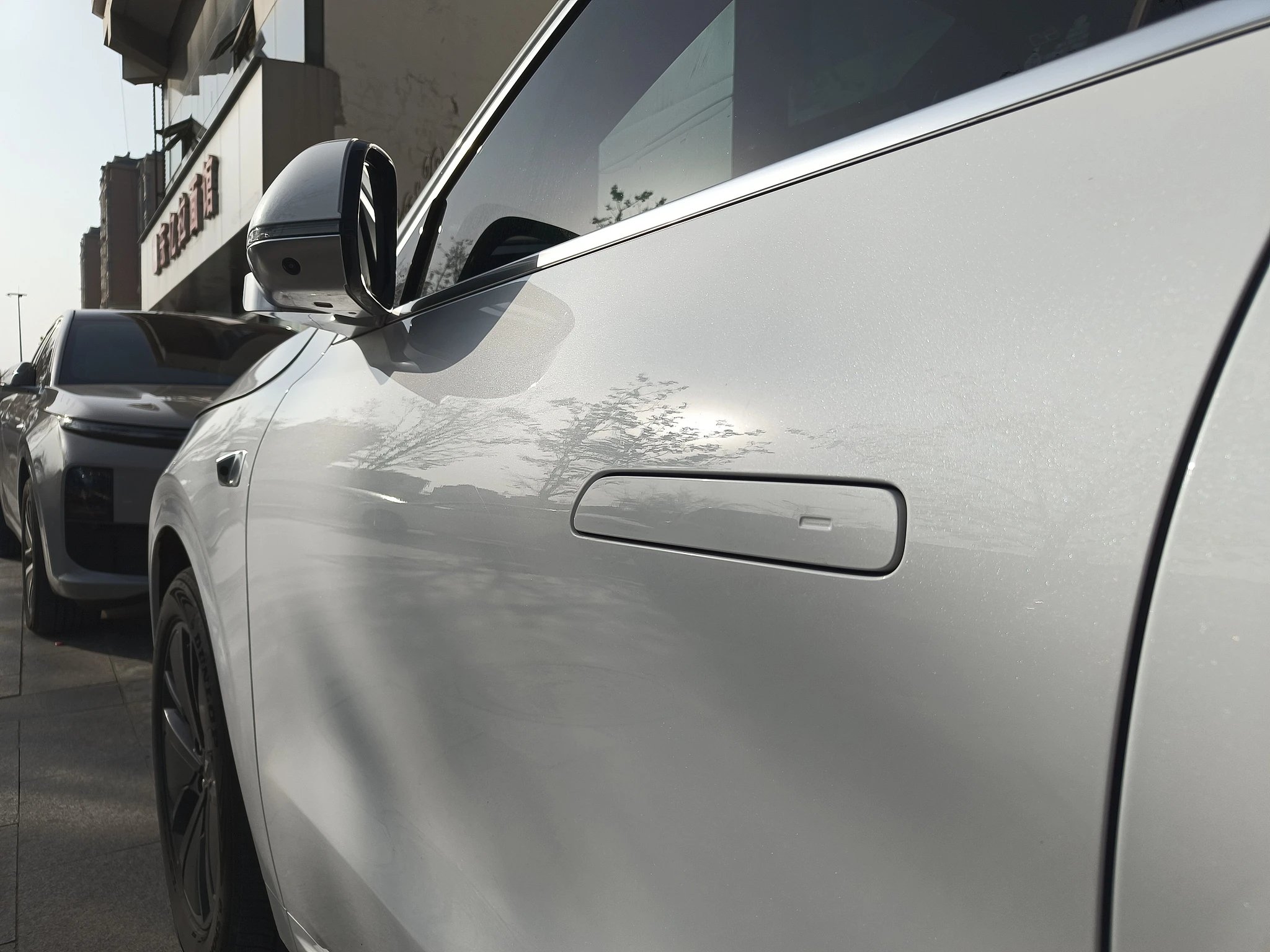
Core Viewpoint - The newly released mandatory national standard "Safety Technical Requirements for Automobile Door Handles" (GB 48001—2026) will take effect on January 1, 2027, leading to the discontinuation of hidden door handles in new vehicles due to safety concerns [2][5]. Group 1: Standard Implementation - The implementation of the mandatory national standard considers the time needed for automotive companies to make technical modifications, cost investments, and transition between old and new products [2][5]. - The hidden door handle design was initially intended to reduce wind resistance and enhance aesthetics, but the actual impact on wind resistance is minimal and not significant for civilian vehicles [6]. Group 2: Safety Concerns - Hidden door handles pose several safety issues, including difficulties in opening the door from outside during accidents, inability to escape in case of power failure, and potential freezing in extremely cold weather [3][6]. - The introduction of the mandatory standard addresses these safety concerns, highlighting the importance of prioritizing safety over aesthetic innovations in automotive design [7]. Group 3: Industry Implications - The standard serves as a reminder to automotive companies and other industries that safety is the primary requirement and should not be compromised for the sake of innovation or trends [7]. - Companies are encouraged to thoroughly evaluate their products and services before launch to ensure they meet consumer and market expectations [7].
Temu加入日本《产品安全誓约》
日经中文网· 2026-02-05 03:10
Group 1 - Temu has joined the "Product Safety Pledge" initiated by the Japanese Consumer Affairs Agency, marking the first time a company founded in China has participated in this initiative [2][4] - The "Product Safety Pledge," established in 2023, requires companies to provide information to consumers and take measures such as recalling unsafe products [4] - Temu will require merchants to submit certification documents before listing products and will closely cooperate with Japanese regulatory authorities to take down products that violate safety standards [4]

召回潮中重申中国市场清白,达能危局中能否守稳中国信任牌?
Xi Niu Cai Jing· 2026-01-30 08:55
Core Viewpoint - The global food giant Danone announced a "preventive recall" of certain batches of infant formula in response to new regulatory guidelines from European authorities, emphasizing that their products are safe and comply with regulations [2] Group 1: Danone's Response and Market Impact - Danone's official statement highlighted that the recall is a precautionary measure to comply with the latest regulatory advice, despite confirming the safety of their products through routine and additional testing [2] - In China, Danone quickly clarified that the recalled batches had never entered the market through official channels, with no sales records found on major e-commerce platforms [2] - The recall comes amid a broader safety crisis in the infant formula market, with Nestlé and Lactalis also initiating recalls due to potential issues with suppliers [2] Group 2: Strategic Considerations for Danone - China represents Danone's second-largest market, accounting for approximately 10% of its global sales revenue, making the management of brand trust crucial in this competitive landscape [3] - Danone has been increasing its investment in China, including establishing research centers and new factories, indicating a strong commitment to the market [3] - The ability to communicate effectively and transparently with Chinese consumers during global safety incidents is vital for maintaining brand trust and market position [3] Group 3: Industry Practices and Responsibilities - Legal experts emphasize that brands hold primary safety responsibilities, regardless of issues stemming from upstream suppliers, highlighting the importance of timely communication and transparency during recalls [3] - Proactive preventive recalls are seen as a responsible practice among multinational companies, potentially enhancing food safety transparency [3] - Establishing clear global communication mechanisms is essential for companies to manage risks effectively and maintain consumer trust [3]
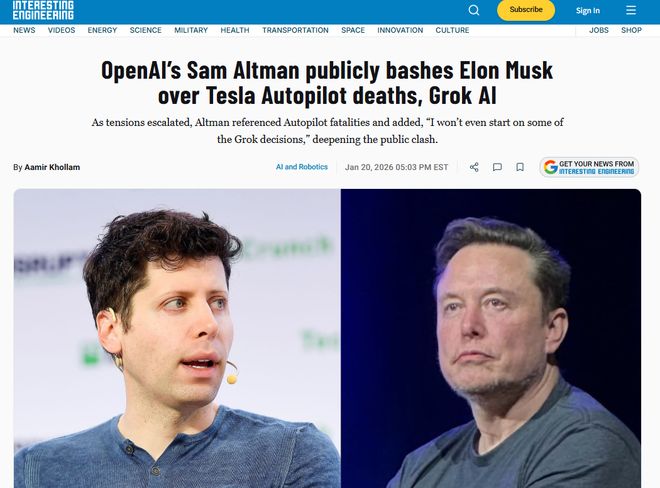
隔空互怼:马斯克呼吁远离 ChatGPT 奥特曼抨击特斯拉 Autopilot
Huan Qiu Wang Zi Xun· 2026-01-21 06:37
Core Viewpoint - The recent public dispute between Tesla CEO Elon Musk and OpenAI CEO Sam Altman over product safety has drawn significant industry attention, highlighting concerns regarding the safety of both ChatGPT and Tesla's Autopilot technology [1][3]. Group 1: Product Safety Concerns - Musk raised concerns about ChatGPT's safety, citing that since its release in 2022, there have been nine reported deaths associated with its use, urging people not to let loved ones use the chatbot [1]. - Altman defended OpenAI's commitment to product safety, acknowledging the challenge of balancing user protection with normal tool usage, and emphasized that OpenAI prioritizes safety measures [3]. Group 2: Mutual Accusations - In response to Musk's claims, Altman criticized Tesla's Autopilot, stating that over 50 deaths have occurred in accidents related to the technology, and he personally found it unsafe during his experience in a vehicle equipped with the system [3]. - Altman implied that Musk's accusations against OpenAI reflect his own issues, suggesting that Musk's criticisms are a form of self-incrimination [3]. Group 3: Legal Disputes - The public confrontation is not isolated, as Musk has initiated legal action against Altman and other OpenAI leaders, accusing them of misleading behavior during the organization's transition to a profit-driven model, which he claims deviates from its original non-profit mission [3]. - Musk had previously donated $38 million to support OpenAI's development during its early stages [3].

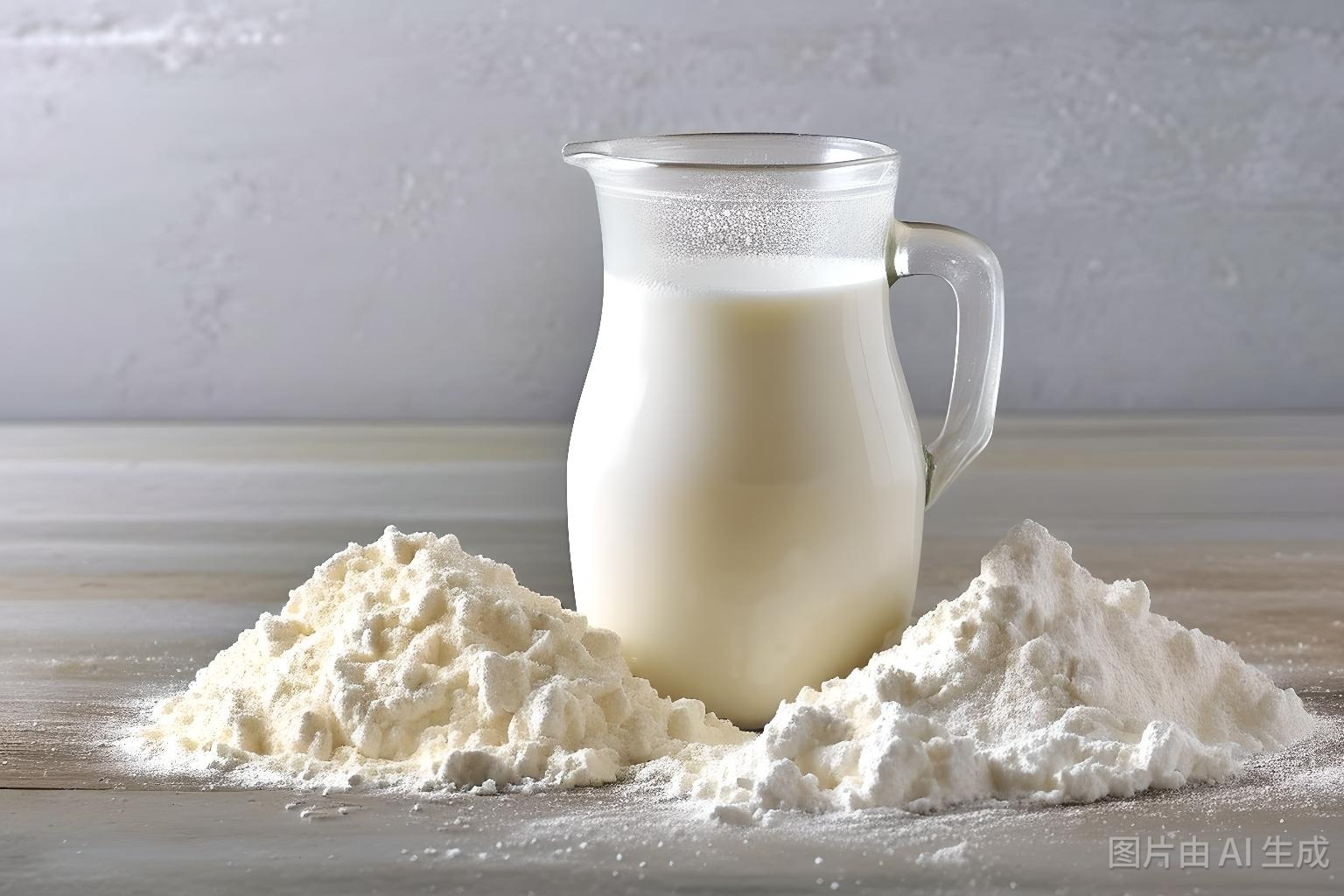
110亿,强生爽身粉致癌案判了
Guan Cha Zhe Wang· 2025-12-25 09:45
Core Viewpoint - Johnson & Johnson faces significant legal challenges and financial liabilities due to claims that its baby powder products contain asbestos, leading to cancer diagnoses among users, with a recent jury awarding $1.56 billion in damages to a plaintiff [1][4]. Group 1: Legal Challenges and Financial Liabilities - A Maryland jury ruled that Johnson & Johnson must pay approximately $1.56 billion to a woman who developed mesothelioma after using its baby powder, marking the highest compensation awarded to a single plaintiff in the company's history [1]. - The company has faced multiple lawsuits over the years, with previous rulings including $72 million in 2016 for an ovarian cancer patient and $417 million in 2017 for another plaintiff [2]. - Johnson & Johnson's subsidiary, Red River Talc, filed for prepackaged bankruptcy in 2024 to address ongoing litigation related to talc claims, proposing a settlement plan worth approximately $8 billion over 25 years [4]. Group 2: Product Safety and Corporate Actions - Johnson & Johnson has historically denied that its products contain asbestos, asserting that extensive testing confirms their safety [2]. - In response to declining sales due to the cancer allegations, the company ceased production of talc-based baby powder in the U.S. and Canada in 2020, later expanding this decision globally in 2023 [3]. - The company has attempted to mitigate litigation risks through settlements, including a $8.9 billion agreement to resolve claims over 25 years and a $700 million settlement with 42 states in 2024 [4]. Group 3: Industry Implications - The ongoing legal battles and substantial financial penalties serve as a warning to global companies about the consequences of prioritizing commercial interests over public health [5]. - The situation highlights the potential risks associated with product safety and the importance of transparency in corporate practices [5].


Shein在美国德州被调查?官方暂无回应
Xin Lang Cai Jing· 2025-12-03 06:08
Core Viewpoint - The Texas Attorney General Ken Paxton is investigating online retailer Shein for potentially selling unsafe products and violating state laws regarding product safety and ethical sourcing [1][3]. Group 1: Investigation Details - The investigation aims to determine if Shein's supply chain and production practices violate Texas laws, including the use of toxic or harmful substances [1][3]. - Paxton emphasized that companies cutting corners on product safety will be held accountable, asserting that consumers have the right to know if the products they purchase are ethical, safe, and transparent [1][3]. Group 2: Consumer Protection - The investigation will also examine Shein's data collection and privacy protection measures, highlighting concerns over consumer rights and safety [1][3]. - Paxton stated that he will not allow cheap and dangerous foreign goods to enter the U.S., which could jeopardize public health [1][3].
全球都在围剿“夺命门把手”
Di Yi Cai Jing Zi Xun· 2025-11-24 06:19
Core Viewpoint - Recent lawsuits against Tesla highlight safety concerns regarding the design of hidden door handles, which have been implicated in accidents leading to fatalities and injuries [2][3][4]. Group 1: Lawsuits and Incidents - Tesla was sued in a Washington state federal court following an incident where a Model 3 lost control, crashed, and caught fire, resulting in one death and one injury due to the inability to open the door [3]. - The lawsuit claims that the "unique and defective door handle design" obstructed rescue efforts, contributing to the tragic outcome [3]. - Another lawsuit from a previous incident involved a Model S where five passengers died because they could not escape a burning vehicle due to the door being inoperable after a crash [4]. Group 2: Regulatory Actions - The National Highway Traffic Safety Administration (NHTSA) has initiated an investigation into Tesla's hidden door handles, affecting approximately 174,000 vehicles [4]. - NHTSA has received multiple complaints regarding the 2021 Model Y, specifically related to failures in the low-voltage battery system that rendered the door handles inoperative [4]. - Tesla is required to submit detailed records regarding the design and failure of the door systems by December 10, with potential fines of up to $140 million for non-compliance [5]. Group 3: Industry Responses and Legal Framework - Tesla's design team has indicated plans to change the door handle design in response to the ongoing issues [6]. - Legal experts note that the dual-track system of regulatory oversight and litigation in the U.S. creates significant pressure on companies like Tesla to address safety concerns [7]. - The U.S. product liability laws provide consumers with multiple avenues for lawsuits, including negligence and strict liability, which can lower the burden of proof for plaintiffs [8]. Group 4: Comparative Analysis of Legal Systems - The U.S. employs a model of "full compensation + punitive damages," which can lead to substantial financial repercussions for companies found liable [9][10]. - In contrast, China's legal framework focuses on statutory compensation with defined limits on punitive damages, which may result in less severe financial consequences for companies [10].

全球都在围剿“夺命门把手”
第一财经· 2025-11-24 06:10
Core Viewpoint - The article discusses the ongoing legal challenges faced by Tesla regarding its hidden door handle design, which has been implicated in several accidents leading to fatalities and injuries. The situation highlights the contrasting regulatory and legal approaches in the U.S. and China concerning automotive safety standards and consumer protection [3][4][10]. Group 1: Legal Issues and Incidents - Tesla is facing a lawsuit in Washington state after a Model 3 vehicle lost control and crashed, resulting in one death and one injury, attributed to the "unique and defective door handle design" that hindered escape [4][5]. - The National Highway Traffic Safety Administration (NHTSA) has initiated an investigation into Tesla's door handle safety, affecting approximately 174,000 vehicles, following multiple complaints about the Model Y's door handles failing due to low-voltage battery issues [5][9]. - Previous lawsuits against Tesla have highlighted similar issues, including a fatal incident involving a Model S where passengers were trapped in a burning vehicle due to the door locks malfunctioning [4][5]. Group 2: Regulatory Approaches - In the U.S., the dual-track system of regulatory oversight and litigation provides consumers with multiple avenues for recourse, including negligence, warranty, and strict liability claims [8][10]. - NHTSA's investigation aims to compel Tesla to disclose critical design and failure data, with significant financial penalties for non-compliance, showcasing a proactive regulatory approach to mitigate systemic risks [9][10]. - The article contrasts the U.S. model with China's approach, where regulatory standards are being established to preemptively address safety concerns, as seen in the recent public consultation for mandatory safety standards for automotive door handles [3][10]. Group 3: Compensation and Liability Differences - In the U.S., the compensation model includes comprehensive and punitive damages, which can significantly impact companies in product liability cases, especially when malice is proven [11]. - Conversely, China's compensation framework is primarily statutory, with punitive damages having clear limits, making the regulatory penalties and brand reputation more significant deterrents for companies [11][12].

从美国多场官司到中国监管新规:全球都在围剿“夺命门把手”
Di Yi Cai Jing· 2025-11-24 05:44
Core Viewpoint - The recent lawsuit against Tesla highlights significant safety concerns regarding the design of its hidden door handles, which have been implicated in accidents leading to fatalities and injuries, prompting investigations and regulatory scrutiny in both the U.S. and China [1][2][3]. Group 1: Lawsuit and Accidents - Tesla was sued in a Washington state federal court following an accident involving a Model 3 that resulted in one death and one injury, attributed to the inability to open the vehicle's door due to its "unique and defective door handle design" [2][3]. - The lawsuit is part of a growing number of legal challenges Tesla faces regarding its door handle systems, with previous incidents also leading to fatalities due to similar issues [2][3]. Group 2: Regulatory Actions - The National Highway Traffic Safety Administration (NHTSA) has initiated an investigation into Tesla's hidden door handles, affecting approximately 174,000 vehicles, due to potential safety defects [1][3]. - NHTSA has received multiple complaints regarding the 2021 Tesla Model Y, specifically related to low-voltage battery failures causing door handle malfunctions [3]. Group 3: Legal Framework and Implications - The lawsuit against Tesla alleges negligence, claiming the company was aware of the safety risks associated with its door handle design but failed to implement necessary improvements [3]. - The U.S. legal framework allows consumers to pursue multiple avenues for litigation, including negligence and strict liability, which can significantly lower the burden of proof for plaintiffs [5][6]. Group 4: Comparison of Regulatory Approaches - The regulatory environment in the U.S. combines administrative oversight and judicial litigation, creating substantial external pressure on companies like Tesla to address safety concerns [5][6]. - In contrast, China's approach emphasizes preemptive risk mitigation through mandatory safety standards, as evidenced by the recent public consultation on automotive door handle safety requirements [1][5].