AI竞争新阶段

Search documents
大厂AI“这一仗”:“元宝”被封、腾讯10亿红包“打水漂”?
3 6 Ke· 2026-02-04 10:27
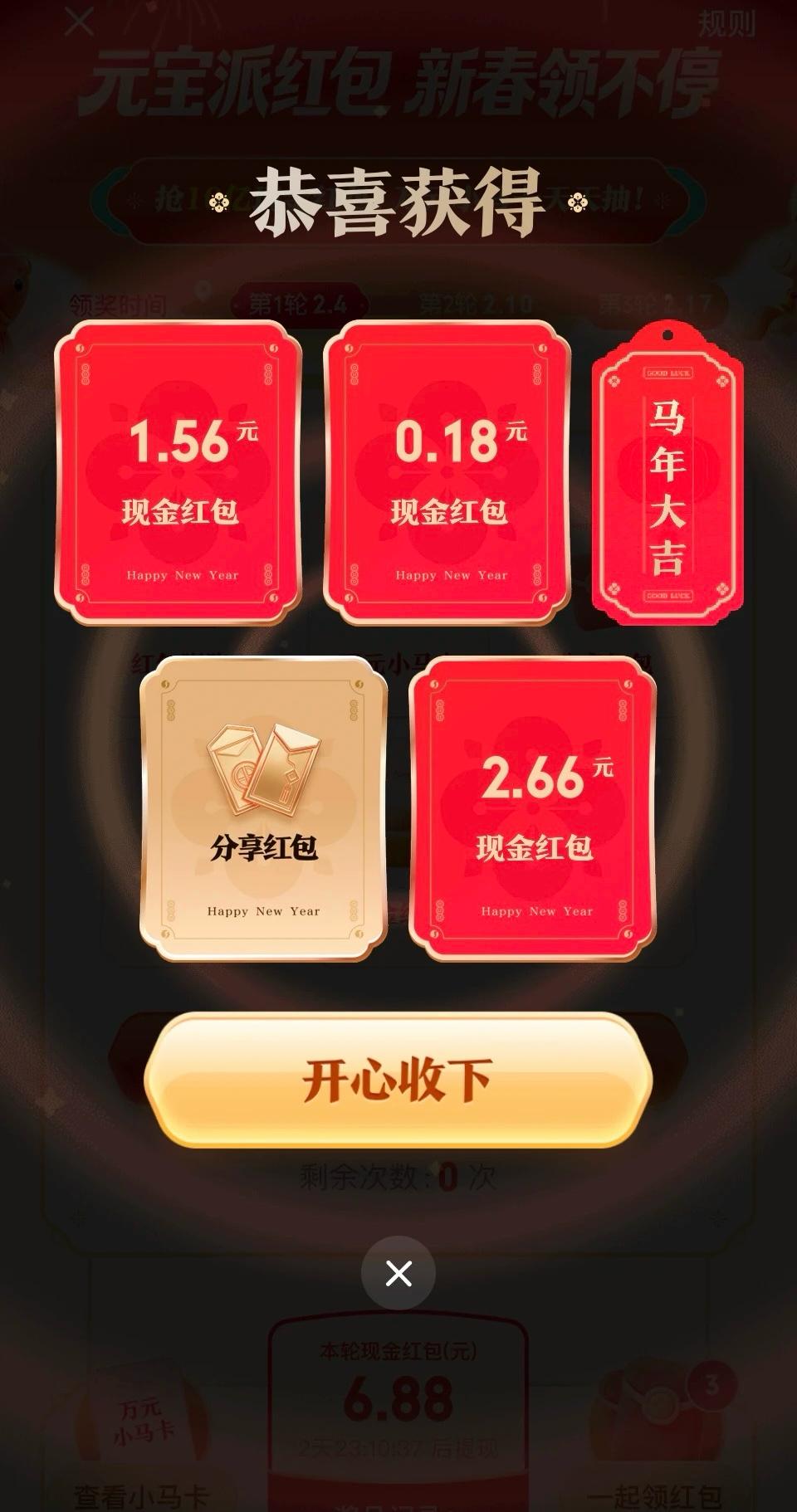
Core Insights - The 2026 Spring Festival has become a battleground for AI marketing among major internet companies, with Tencent, ByteDance, Alibaba, and Baidu launching aggressive campaigns to capture user engagement through AI-driven features and cash incentives [9][16]. Group 1: Tencent's Strategy - Tencent's "Yuanbao" cash red envelope campaign, with a total of 1 billion yuan, aims to replicate the success of its 2015 WeChat red envelope initiative, leveraging social sharing to enhance user retention and engagement [5][4]. - The campaign includes a tiered incentive model, combining cash red envelopes and sharing mechanisms to encourage user participation and spread within social networks [4][5]. - Tencent has integrated AI into its social platforms, allowing users to interact with AI in familiar social contexts, thereby reducing barriers to adoption and enhancing user experience [5][6]. Group 2: Competitors' Moves - ByteDance has positioned its "Doubao" AI deeply within the Spring Festival celebrations, partnering with major events to foster user interaction and build habits around AI usage [9][10]. - Alibaba's "Qianwen" app has committed 30 billion yuan to its Spring Festival initiative, integrating AI capabilities across its ecosystem to facilitate real-world transactions and enhance user engagement [9][15]. - Baidu is promoting its "Wenxin" assistant with a 500 million yuan cash incentive, embedding AI services within its app to streamline user experience and drive adoption [9][15]. Group 3: Industry Trends - The competition among these companies signifies a shift from merely enhancing model capabilities to focusing on user relationships, ecosystem integration, and practical execution of AI solutions [16]. - The rise of AI agents, such as OpenClaw, has captured public attention, showcasing the potential for AI to perform complex tasks autonomously, thus driving interest and investment in AI technologies [12][13]. - The overall trend indicates a growing emphasis on creating user-friendly AI applications that seamlessly integrate into daily life, moving beyond traditional AI functionalities [16].