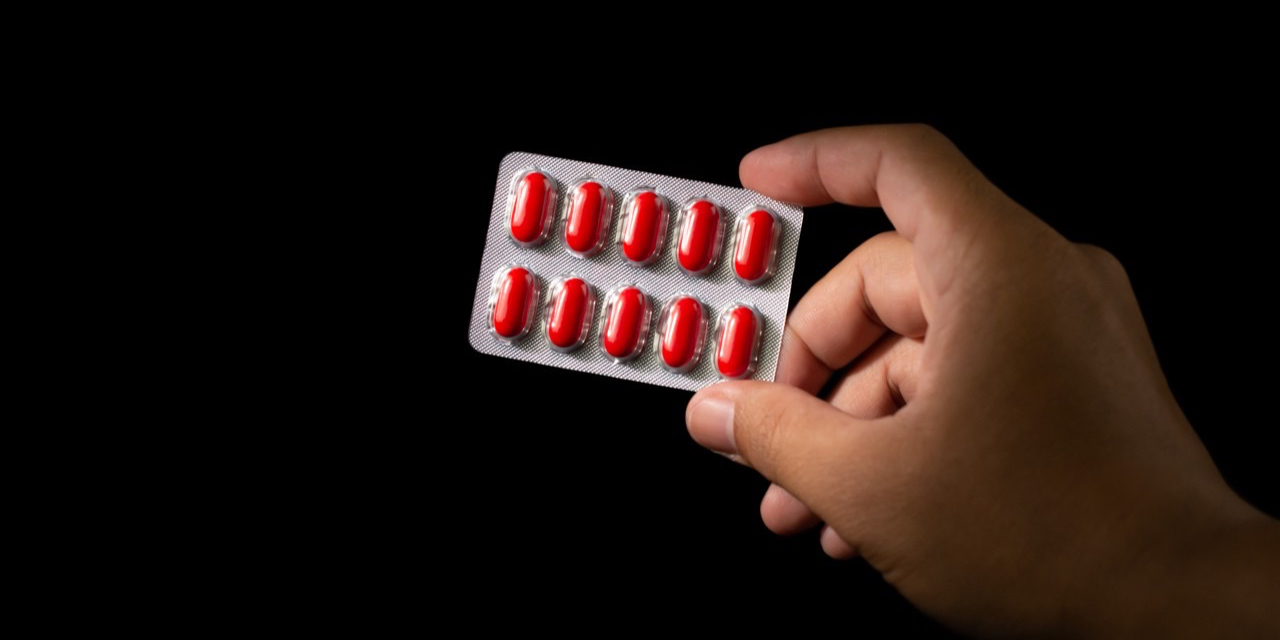
AI辅助用药

Search documents
900万盲人,吃药有点难
经济观察报· 2026-02-12 10:42
Core Viewpoint - The article emphasizes the need for accessible packaging in the pharmaceutical industry to ensure safety for visually impaired individuals and the elderly, highlighting the current lack of braille and other accessibility features on most medicine packaging in China [2][3][10]. Group 1: Current Situation and Challenges - A significant portion of the visually impaired population in China, estimated at around 17.32 million, faces challenges in accessing critical information about medications due to the absence of braille on packaging [2][3]. - Many visually impaired individuals rely on memory or tactile methods to identify medications, which can lead to dangerous mistakes, especially in emergency situations [5][6]. - The recent revision of the Drug Administration Law mandates that pharmaceutical companies provide accessible information, but implementation remains inconsistent [2][3][10]. Group 2: Industry Response and Innovations - Some pharmaceutical companies, such as Aojina Pharmaceutical and Beid Pharmaceutical, have begun to print braille on their packaging, recognizing the need to serve visually impaired patients [10][11]. - The cost of adding braille to packaging is relatively low, increasing the production cost by approximately 1-2 cents per box, yet many companies are hesitant due to awareness and cost concerns [11][13]. - Innovative solutions, such as NFC tags and AI tools, are being explored to assist visually impaired individuals in identifying medications, although challenges remain regarding accessibility and technology adoption [6][8][17]. Group 3: Future Directions and Recommendations - Experts suggest that improving awareness and design practices in the pharmaceutical industry can significantly enhance accessibility for visually impaired individuals [17]. - Potential improvements include using high-contrast designs, varying shapes for packaging, and incorporating QR codes for audio instructions, which could provide a more user-friendly experience [17][16]. - The article advocates for a broader understanding of the needs of visually impaired individuals within the industry, encouraging companies to adopt inclusive design principles [17].

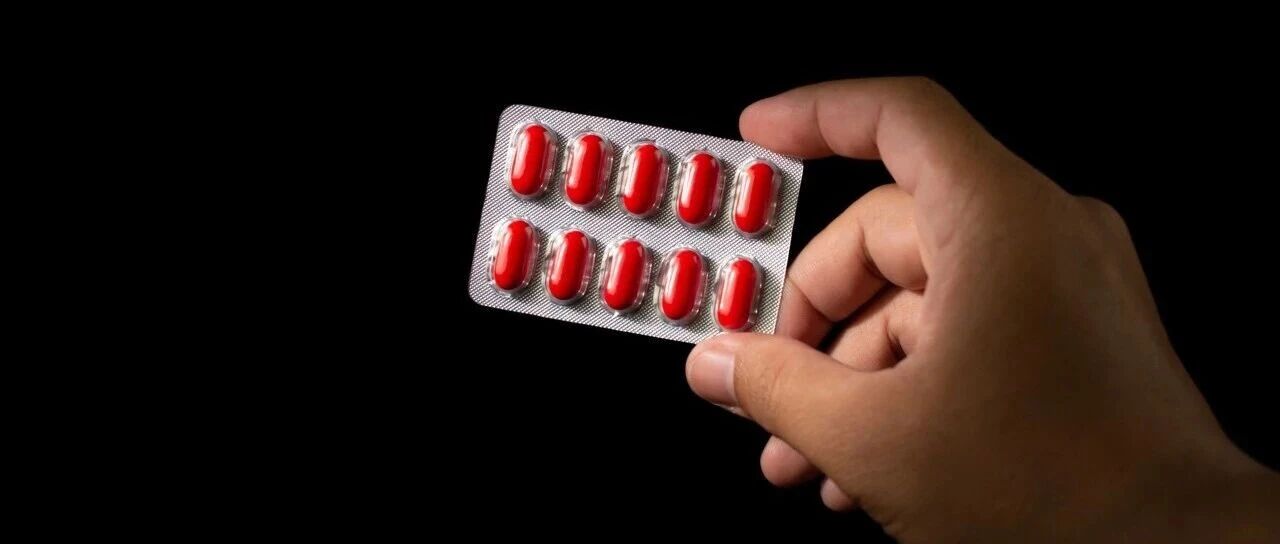
盲人900万,吃药有点难
Jing Ji Guan Cha Wang· 2026-02-12 10:02
Core Insights - The article highlights the challenges faced by visually impaired individuals in accessing and using medications safely due to the lack of accessible packaging and labeling [2][3][4] Group 1: Current Situation - In 2020, approximately 8.9 million blind individuals were reported in China, with a broader estimate of 17.32 million people with visual impairments [3] - The revised Drug Administration Law requires pharmaceutical companies to provide accessible formats for drug labels, including braille and large print, to assist disabled and elderly individuals [3] - Many visually impaired individuals rely on memory or tactile methods to identify medications, which can lead to dangerous mistakes, especially in emergencies [4][5] Group 2: Industry Response - Some pharmaceutical companies have begun to print braille on medication packaging, with examples including companies like Aojina Pharmaceutical and Beid Pharmaceutical [11][14] - The cost of adding braille to packaging is relatively low, increasing the cost by approximately 1-2 cents per box, but the adoption rate among companies remains low due to awareness and cost concerns [13][14] - There is a growing trend among younger visually impaired individuals to use AI tools for medication identification, with applications like Doubao AI providing real-time assistance [6][8] Group 3: Challenges and Limitations - Despite advancements, AI tools face limitations such as misidentification and reliance on internet connectivity, which can hinder their effectiveness in certain situations [9][10] - Many visually impaired individuals, particularly the elderly, may not be familiar with smartphones or AI applications, making traditional packaging improvements essential [10] - The use of braille is limited, with estimates suggesting that less than 10% of visually impaired individuals in certain regions can read it, highlighting the need for broader accessibility measures [16][19] Group 4: Future Directions - There is a call for more innovative packaging designs that enhance accessibility, such as using high-contrast colors and alternative shapes for medication containers [18][19] - Companies are exploring the integration of QR codes and voice-activated features to provide detailed medication information, which could improve safety for visually impaired users [17][19] - The industry is encouraged to raise awareness about the needs of visually impaired individuals to foster better design practices and improve medication safety [19]