AI驱动铜需求暴增

Search documents
铜条走红,昔日“破铜烂铁”变“硬通货”?
Qi Lu Wan Bao· 2026-01-27 15:41
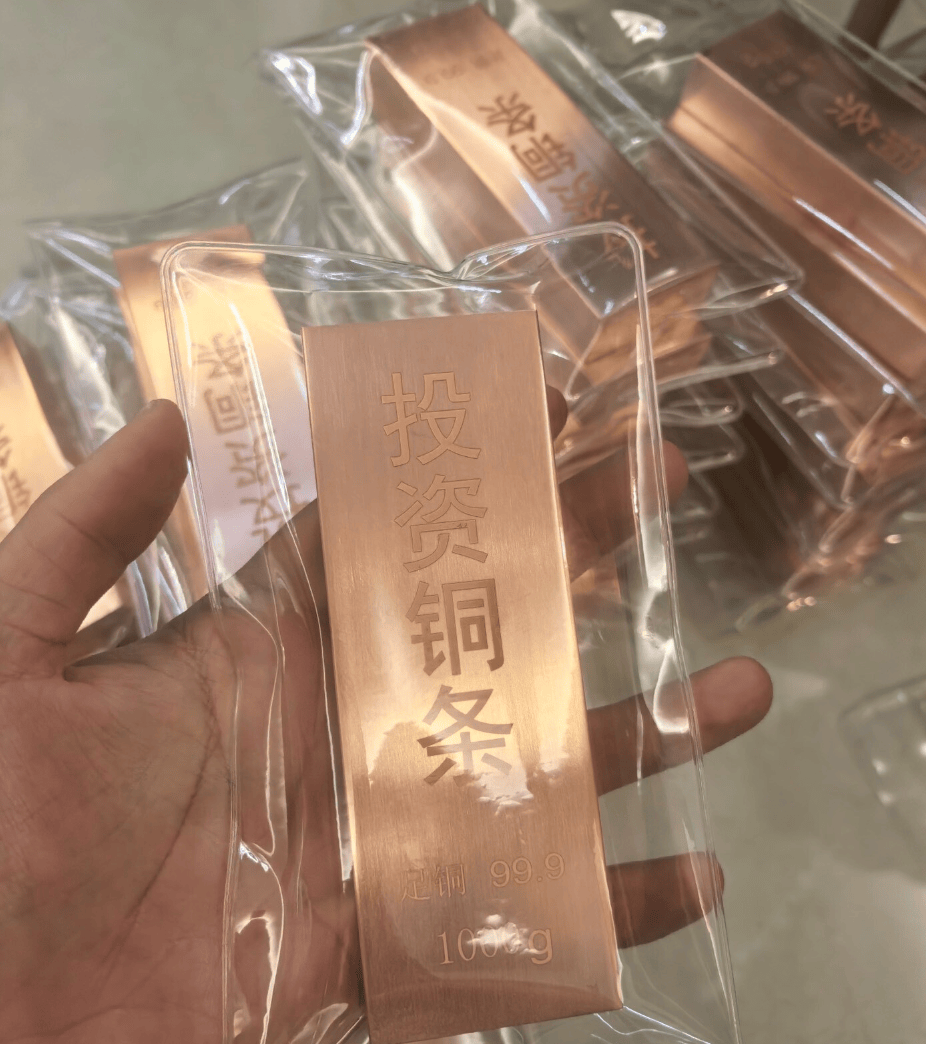
Core Viewpoint - The rising prices of precious metals have led to increased interest in copper as an investment, with many merchants introducing 1000-gram copper bars labeled as "investment copper" [4][8]. Group 1: Market Dynamics - The Shenzhen Shui Bei market, known for gold and jewelry, has seen a significant increase in inquiries about copper bars, with daily shipments nearing 1 ton [4][6]. - The price for a 1 kg copper bar made of T2 copper with 99.9% purity is around 200 yuan, with bulk purchases reducing the price to 170 yuan [5]. - Despite the growing interest, many merchants are not offering buyback options for copper bars, leading to potential liquidity issues for investors [7][11]. Group 2: Investment Viability - The lack of a unified quality certification and a mature repurchase pricing mechanism for copper bars raises concerns about their investment viability [7]. - The cost of processing copper into bars significantly increases, meaning that prices must double for investors to break even, which is unlikely given historical price fluctuations [7][11]. - The narrative around copper as an investment is driven by its rising prices and the search for lower-cost alternatives to gold and silver, which have become more expensive [8][9]. Group 3: Risks and Challenges - The investment in copper bars is characterized by poor liquidity, high premiums, and storage difficulties, making it less attractive for ordinary investors [12]. - Analysts warn that the current copper price surge is largely driven by speculative funds, and a correction may be imminent as market sentiment shifts [12]. - The potential for material substitution, such as aluminum replacing copper in certain applications, could further weaken demand for copper [11][12].

投资铜条?当心“纸面富贵”难变现
Sou Hu Cai Jing· 2026-01-22 01:15
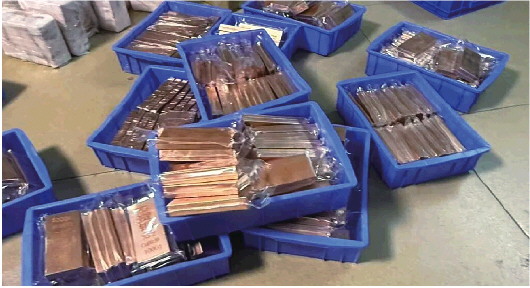
Core Viewpoint - The recent surge in "investment copper bars" has attracted attention on social media, but it is accompanied by significant market management responses and investment controversies [1][3]. Group 1: Market Response - Major markets, such as Shenzhen's Shui Bei market, have prohibited the sale of copper bars, with notices issued to remove any displayed products immediately [1]. - Despite the ban on direct sales, some vendors are still engaging in covert sales, indicating a demand for copper bars [4]. Group 2: Investment Challenges - The lack of a robust recycling channel for copper bars poses a significant challenge, with many vendors unable to offer buyback options, contrasting sharply with the established recycling systems for gold and silver [4]. - The cost of producing copper bars is significantly higher than the market price, requiring a doubling of copper prices for investors to break even, which is highly unlikely given historical price trends [5]. Group 3: Market Dynamics - The rise in copper prices is influenced by various macroeconomic factors, including industrial demand and monetary policy, but high prices are also leading to reduced purchasing sentiment and increased inventory levels [7]. - The narrative surrounding AI-driven demand for copper has been challenged, with analysts suggesting that the actual impact on global copper demand is minimal [7]. - Investment banks, such as Goldman Sachs, have indicated that recent price increases are largely driven by speculative funds, and a correction in prices is likely as these funds withdraw [7]. Group 4: Investor Considerations - The phenomenon of "investment copper bars" appears to be a speculative trend lacking essential investment attributes such as liquidity, reliable recycling options, and manageable storage [8].