AI Agent基建

Search documents
AI路边摊,下一个市民经济风口
虎嗅APP· 2025-12-08 10:03
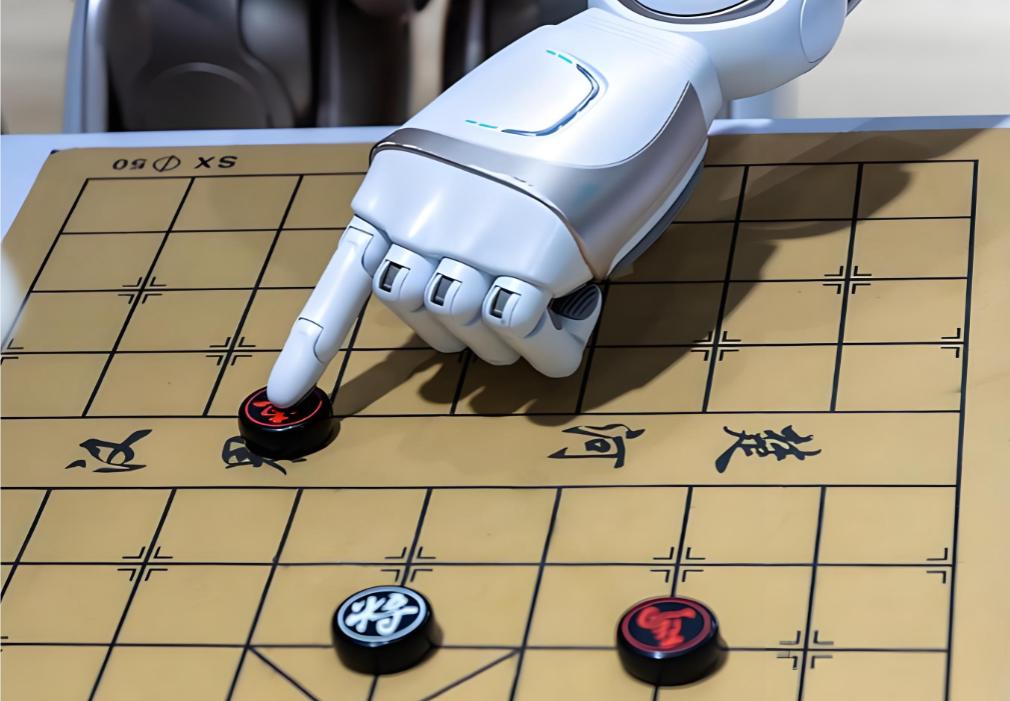
Group 1 - The core viewpoint of the article is that AI is transforming traditional street vendor businesses in China, introducing innovative applications that enhance customer experience and personalization [4][5]. - AI applications such as AI perfume customization, AI bracelet matching, and AI-assisted games like pool and chess are emerging in street markets, showcasing the technology's accessibility and appeal [6][9][11]. - The article highlights the growing trend of integrating AI into everyday products and services, making them more engaging and personalized for consumers [8][10]. Group 2 - The AI perfume business allows customers to create personalized scents based on their names and personality types, demonstrating how AI can enhance traditional retail experiences [6][8]. - AI bracelets equipped with NFC technology are selling well, indicating a successful fusion of technology and traditional crafts in street markets [10][14]. - AI-assisted games, such as pool and chess, are being offered at competitive prices, attracting customers and creating new entertainment options [11][14]. Group 3 - The article discusses three business models for AI-enabled street vendors: franchise models requiring significant investment, hardware purchases for lower startup costs, and self-development using user-friendly AI tools [16][17][19]. - The franchise model involves higher costs but provides access to established technology and support, while the hardware purchase model allows for lower entry costs with variable profitability [16][17]. - Self-development tools are emerging, enabling entrepreneurs without coding skills to create AI applications, thus lowering barriers to entry in the market [19][20]. Group 4 - The success of AI in street vending relies on the stability and reliability of the technology, as customers expect seamless experiences [21][22]. - The development of AI infrastructure, particularly Agent Infra, is crucial for supporting the operation of various AI applications in street markets [24][25]. - Without robust Agent Infra, the potential for AI-driven street businesses may be compromised, highlighting the importance of foundational technology in enabling innovation [24][25].


AI路边摊,下一个市民经济风口
创业邦· 2025-12-08 03:24
Core Viewpoint - The article discusses how AI is transforming street vendor businesses in China, introducing innovative applications such as AI perfume customization, AI bracelet design, AI billiards, and AI chess, which enhance customer engagement and personalization [5][6][13]. Group 1: AI Applications in Street Vendors - AI perfume customization allows customers to generate personalized fragrance recipes by inputting their names and MBTI personality types, creating a unique shopping experience [7][9]. - AI bracelets equipped with NFC technology are being sold, which provide daily fortune updates based on user interactions, showcasing the integration of technology into traditional crafts [10][14]. - AI billiards and chess are emerging as new entertainment options, with AI systems providing guidance and interaction for players, making these activities more accessible [12][14]. Group 2: Business Models and Costs - The article outlines three business models for AI street vendor startups: 1. AI product franchise model with startup costs starting from hundreds of thousands [14][17]. 2. Hardware purchase and retail model with costs under ten thousand, making it a low-entry barrier for entrepreneurs [16][17]. 3. Self-development model using user-friendly AI development tools, significantly reducing initial investment [17][18]. Group 3: Infrastructure and Stability - The rapid development of AI infrastructure in China has enabled the proliferation of AI applications in street vending, marking a new phase in AI technology [20][21]. - The stability and reliability of AI systems are crucial for customer experience, as issues like erratic behavior or system failures could undermine the business [20][21]. - Companies are investing in Agent Infrastructure to ensure smooth operation of AI applications, which is essential for the success of AI-enabled street vendor businesses [21].

AI路边摊,下一个市民经济风口
3 6 Ke· 2025-12-07 09:26
Group 1 - The core idea of the article is that AI is transforming street vendor businesses in China, introducing innovative applications such as AI perfume customization, AI bracelet matching, AI billiards, and AI chess, which enhance customer engagement and personalization [2][4][5][6][8]. - AI perfume customization is gaining popularity at markets, where customers can generate personalized fragrance recipes by inputting their names and MBTI types into a small program powered by a large AI model [4][5]. - The AI bracelet market is thriving, with vendors using AI to help customers select traditional Chinese bracelets based on their budget and preferences, showcasing the integration of technology into traditional crafts [5][8]. Group 2 - The AI billiards business model involves using a projector and camera to guide players on how to make shots, appealing to beginners and enhancing their learning experience [6][10]. - AI chess and other AI games are being offered at low prices, attracting customers and creating a new form of entertainment that relies on the novelty and frequency of street interactions [9][10]. - The article outlines three business models for AI street vendors: franchise models requiring significant investment, hardware purchases for low-cost startups, and self-development models using user-friendly AI tools [12][15][18]. Group 3 - The success of AI street vendors is attributed to the rapid development of AI infrastructure in China, which has enabled the emergence of various AI applications and services [20][22]. - The article emphasizes the importance of AI agents in facilitating the operation of these businesses, highlighting the need for stable and efficient AI systems to support the growing demand for AI-enhanced services [22][23]. - The integration of AI into street vendor operations is seen as a subtle yet impactful way to enhance traditional business models, providing vendors with better tools to serve their customers [23][24].