B2B销售

Search documents
AI来了,销售的冬天还远吗?
3 6 Ke· 2025-12-23 01:59
Core Insights - The article argues that despite predictions of a decline in B2B sales roles due to digitalization and AI, the demand for skilled sales professionals remains strong, particularly for complex transactions [1][2][12] - Data from the U.S. Bureau of Labor Statistics indicates that the number of non-retail B2B salespeople in the U.S. has generally increased from 3.9 million in 2015 to an expected 4.2 million by 2024, despite a temporary dip during the COVID-19 pandemic [1] Industry Trends - Industries with transactional purchases and well-known products, such as pharmaceuticals and industrial distribution, have seen a reduction in sales teams due to the ability of customers to self-service through digital tools [3] - Leading pharmaceutical companies have cut 20%-25% of their sales representatives since 2019, while major distributors like Grainger have reduced external sales staff and closed branches in favor of digital channels [3] Sales Team Expansion - In contrast, sectors with high technological complexity, such as technology and advanced manufacturing, are expanding their sales teams. Companies like Salesforce and NVIDIA have significantly increased their sales personnel to promote complex products [4] - The key driver for the expansion of sales teams in these sectors is the ambiguity faced by buyers and the unique role that sales professionals play in addressing these challenges [4] Sales Process Dynamics - The sales process typically involves three stages: exploration and definition, evaluation and decision-making, and value realization and growth. Each stage presents different levels of ambiguity that require varying degrees of human intervention versus digital tools [6][9] - In the early stage, sales professionals help buyers clarify their needs and identify potential solutions, especially in unfamiliar scenarios [7] - During the evaluation phase, sales personnel guide buyers through complex decision-making processes, ensuring that customized solutions are developed [8] - Even post-purchase, sales professionals are crucial for ensuring ongoing value delivery and fostering customer relationships, particularly in complex situations [9] Strategic Recommendations - Companies should focus on identifying areas of ambiguity in their sales processes and determine where human intervention is necessary versus where digital tools can suffice [10] - There is a need to redesign sales roles to emphasize problem-solving and collaboration rather than traditional sales tactics, adapting to the complexity of the business environment [11] - Investment in hybrid systems that integrate digital tools with human expertise is essential for seamless customer interactions [11] - Continuous adaptation of sales roles and digital tools is necessary to align with evolving customer needs and market dynamics [11]

客户明明很有兴趣,为什么没买?
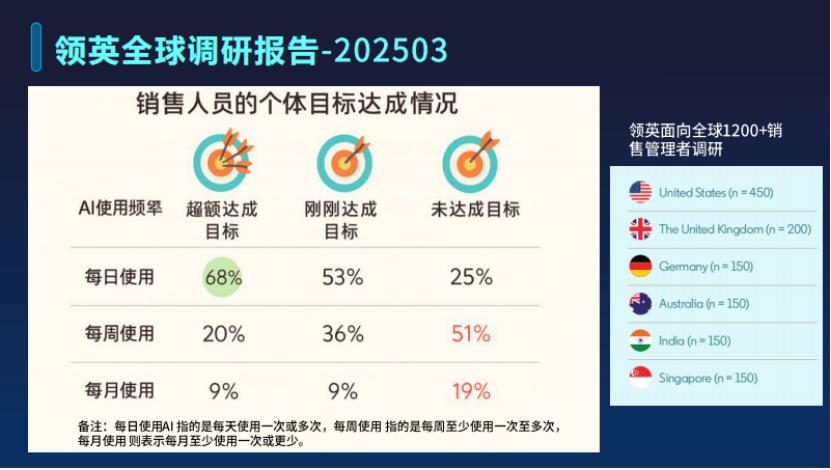
Hu Xiu· 2025-09-05 04:41
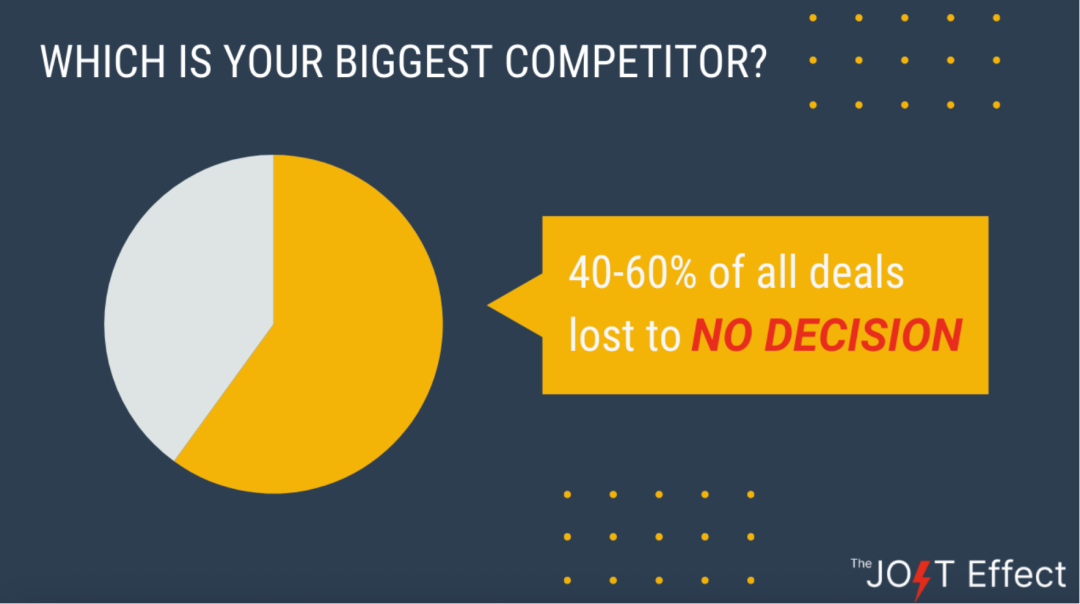
Core Insights - The article discusses the challenges faced by companies in closing sales due to customer indecision, which can stem from various factors such as lack of budget, fear of change, and insufficient information [3][11]. Group 1: Causes of Customer Indecision - A significant portion of B2B transactions, between 40% to 60%, are interrupted for various reasons during the sales process [4]. - Customer indecision is primarily attributed to 56% hesitation and 44% reluctance to change the status quo [11]. - Factors contributing to indecision include difficulty in choosing options, feeling of insufficient information, uncertainty about return on investment, and challenges in internal coordination [12][13][14]. Group 2: Strategies to Address Indecision - Implementing consultative selling can help clarify the decision-making process for customers by providing straightforward recommendations rather than overwhelming them with options [15][16]. - Clearly defining product positioning is crucial, as customers need to understand why they should choose a specific solution over competitors [19][20]. - Providing decision-making evidence, such as data, case studies, and testimonials, can alleviate concerns about potential outcomes and reduce fear of making the wrong choice [24][28]. Group 3: Final Thoughts - The article emphasizes the importance of being a guide rather than just a salesperson, understanding the complexities of B2B purchasing decisions, and addressing customer fears and hesitations [33].

顶尖销售,早就偷偷用AI开挂了
3 6 Ke· 2025-05-22 00:15
Core Viewpoint - The article emphasizes the shift from traditional high-frequency client marketing to AI-driven strategies that prioritize efficiency and personalized engagement in B2B sales. Group 1: Traditional Client Marketing Pain Points - The decision-making process in B2B sales is lengthy and involves multiple stakeholders, leading to extended sales cycles and a demand for highly customized solutions [3] - Sales personnel often manage multiple clients simultaneously, limiting their ability to provide personalized service, which results in a gap between client expectations and actual service [4] - Over-reliance on traditional sales methods leads to inefficiencies and wasted resources, highlighting the need for AI to enhance sales strategies [5] Group 2: Current Status and Trends of AI in B2B Sales - Embracing AI has become a consensus among B2B sales professionals, with a recent LinkedIn survey indicating that higher frequency of AI tool usage correlates with better sales performance [6][8] - AI applications are primarily concentrated in the pre-sales phase, focusing on creating personalized marketing messages and conducting industry research [11][12] - The integration of generative AI can empower the entire B2B transaction cycle, enhancing customer identification, interaction, and sales coaching [13][14] Group 3: AI's Role in Enhancing Client Acquisition - AI can optimize client acquisition strategies by analyzing existing customer data to create precise client profiles and identifying diverse outreach channels [24][25] - The case of Huawei Cloud illustrates how AI can improve business development efficiency by providing actionable insights and strategies [21][22] Group 4: AI's Contribution to Personalized Marketing - AI can assist in generating impactful marketing content, as demonstrated by a successful email campaign from Huawei Cloud that effectively addressed client concerns and highlighted strategic importance [54][62] - The article outlines the importance of personalized communication in high-stakes scenarios, emphasizing the need for concise and relevant messaging [63][64] Group 5: The Future Role of AI in Sales - AI is expected to play three critical roles in future sales processes: as an intelligent sales assistant, a solution expert, and a sales coach, enhancing overall efficiency and effectiveness [15][17] - AI can help identify decision-makers and analyze organizational structures, improving the understanding of client dynamics and enhancing sales strategies [48][50]