
Becoming Chinese

Search documents
如何成为中国人?从过节开始:墨西哥家庭如何过春节
Xin Lang Cai Jing· 2026-02-17 04:56
Core Viewpoint - The article highlights the growing trend of "Becoming Chinese" among international audiences, particularly in the context of celebrating the Spring Festival, showcasing how individuals from different cultures are embracing Chinese traditions and customs [1]. Group 1: Cultural Adoption - The lifestyle trend of "Becoming Chinese" is gaining popularity, with many individuals expressing their engagement with Chinese culture on social media [1]. - Mauro Arturo Salazar Zavala, a Mexican national, exemplifies this trend by actively participating in the Spring Festival preparations, indicating a personal connection to Chinese traditions [1]. Group 2: Festive Preparations - Zavala visited a local Chinese supermarket to purchase traditional items for the Spring Festival, including lanterns and horse-themed decorations, which reflects the festive spirit [1]. - The preparation of red envelopes for family members signifies the importance of cultural practices associated with the Spring Festival [1].
彭博:“成为中国人”梗图展现了软实力
美股IPO· 2026-02-15 04:09
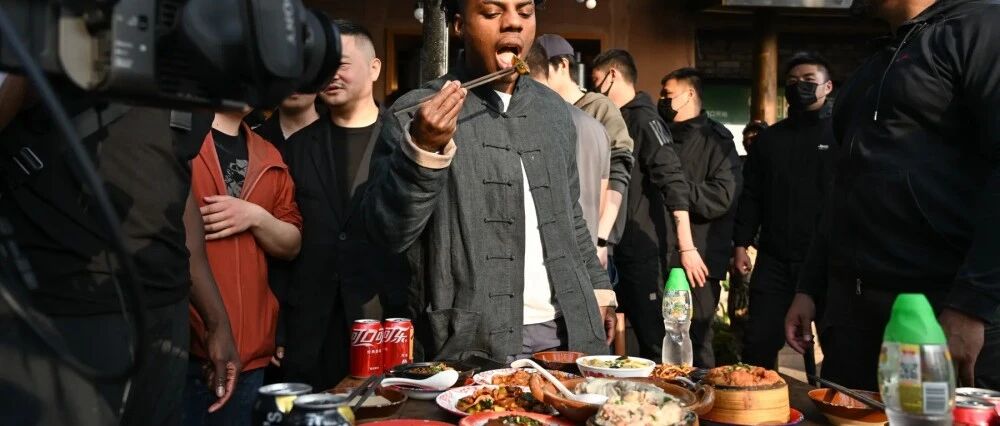
Core Viewpoint - The article discusses the phenomenon of "Becoming Chinese," a cultural trend where non-Chinese individuals in Western countries adopt aspects of Chinese culture, reflecting a shift in consumer sentiment and soft power dynamics [3][5][7]. Group 1: Cultural Adoption - The trend began around mid-2025, with individuals posting videos on platforms like TikTok and Instagram, claiming they are "becoming Chinese" by engaging in activities such as drinking hot water and practicing Tai Chi [3][4]. - This cultural shift has expanded from health practices to lifestyle and fashion, with Chinese brands promoting "Chinese style" to Western consumers [4][5]. Group 2: Social Media Influence - The closure of TikTok in the U.S. led some users to migrate to the Chinese app Xiaohongshu, which saw a significant increase in downloads, indicating a growing interest in Chinese content [6]. - The popularity of YouTube star IShowSpeed's trip to China, which garnered attention from millions, further fueled this cultural curiosity [6]. Group 3: Soft Power Dynamics - The rise of this "Chinese-ness" coincides with the economic decoupling between the U.S. and China, where China is increasingly viewed as a leader in certain sectors, contrasting with the U.S.'s perceived decline [7]. - The article notes the paradox of holding both anti-China and pro-China sentiments in the U.S., suggesting a complex relationship with Chinese culture and identity [7][8].

X @Bloomberg
Bloomberg· 2026-02-13 06:05
Chinamaxxing and becoming Chinese are trending as memes, but they may also be omens from the social media subconscious, says @hchuaeoan (via @opinion) https://t.co/UO46xyvDnh ...