
Bioeconomy

Search documents
Aemetis CEO Eric McAfee Receives Holmberg Award for Lifetime Achievement in the Bioeconomy
Globenewswire· 2026-03-25 12:00
Core Insights - Aemetis, Inc. announced that its CEO, Eric McAfee, received the 2026 William C. Holmberg Memorial Award for Lifetime Achievement in the Bioeconomy, recognizing his contributions to renewable fuels [1][2][3] Company Overview - Aemetis is a diversified renewable natural gas and biofuels company headquartered in Cupertino, California, focused on innovative technologies that lower energy costs and reduce emissions [5] - The company operates a biogas digester network and pipeline system in California, converting dairy waste gas into Renewable Natural Gas [5] - Aemetis owns a 65 million gallon per year ethanol production facility in California's Central Valley, supplying about 80 dairies with animal feed [5] - The company also operates an 80 million gallon per year biodiesel production facility on the East Coast of India, producing high-quality biodiesel and refined glycerin [5] - Aemetis is developing a sustainable aviation fuel plant and a CO2 sequestration project in California to utilize byproducts from ethanol production [5] Industry Recognition - Eric McAfee's acceptance speech highlighted the collaborative efforts of the Aemetis team and industry colleagues in advancing renewable fuels policy and production [3][4] - The award honors the legacy of William C. Holmberg, a significant advocate for energy security and renewable fuels [3]


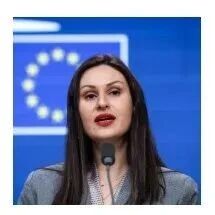
欧盟理事会拍板生物经济战略,剑指 2040年
合成生物学与绿色生物制造· 2026-03-21 06:04
Core Viewpoint - The European Council has approved a new bioeconomy strategy aimed at establishing a competitive and sustainable bioeconomy by 2040, emphasizing the use of bio-based and circular solutions as fossil fuel alternatives and supporting related innovations and investments [2][3]. Summary by Sections Bioeconomy Overview - The bioeconomy relies on renewable biological resources such as plants, animals, and microorganisms to produce food, energy, and industrial products [3]. - The transformation led by the bioeconomy is evident across Europe, with examples ranging from everyday bio-based products like beeswax lip balm to advanced materials made from olive tree waste [3]. Strategic Goals - The Council recognizes the bioeconomy strategy proposed by the European Commission as a timely and critical measure to enhance Europe's competitiveness, resilience, prosperity, and sustainability [3]. - There is a need for efficient implementation of existing legislation related to the bioeconomy and updating national action plans in line with the strategy [3]. Investment and Innovation - The Council supports increasing innovation and implementing measures to facilitate investment in sustainable bio-based solutions, including expediting approval processes and simplifying regulations [3]. - Creating stable and predictable market demand for sustainable bio-based materials and technologies is crucial for attracting private investment [4]. Market Expansion - Leading markets should not be limited to areas specified in the bioeconomy strategy, such as bio-based plastics and fertilizers, but should also extend to sectors like footwear textiles and blue bioeconomy [4]. - The self-sufficiency rate of the EU's biomass supply is approximately 90%, indicating a near-complete self-sufficiency [4]. Employment and Economic Impact - The bioeconomy supports approximately 171 million jobs across the EU, with one in every twelve jobs being linked to this sector [5]. - The total estimated value of the EU bioeconomy in 2023 is €2.7 trillion, making it one of the fastest-growing industries in the region while also contributing to environmental protection and the promotion of a circular economy [5].
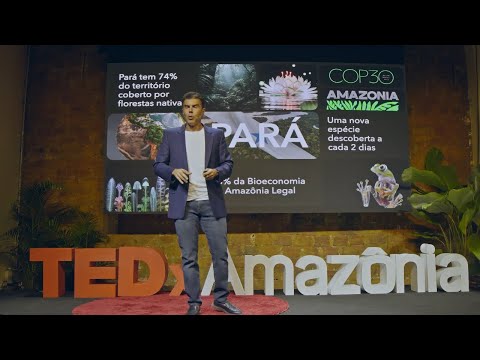
Vale Bioamazônico: onde floresta encontra a próxima revolução | Helder Barbalho | TEDxAmazônia Salon
TEDx Talks· 2026-02-01 16:00
Every future begins somewhere, and mine has a very strong, very strong connection to the environment, a very strong connection to the reality of the Amazon. Those who live in Pará will certainly know what I’m talking about when I talk about the rain. My parents, when they were young, when they started dating, unlike young people today who schedule dates via WhatsApp.That is, unless a personal meeting is replaced by a digital one. In their time, they would meet after the rain. This was the time for couples t ...
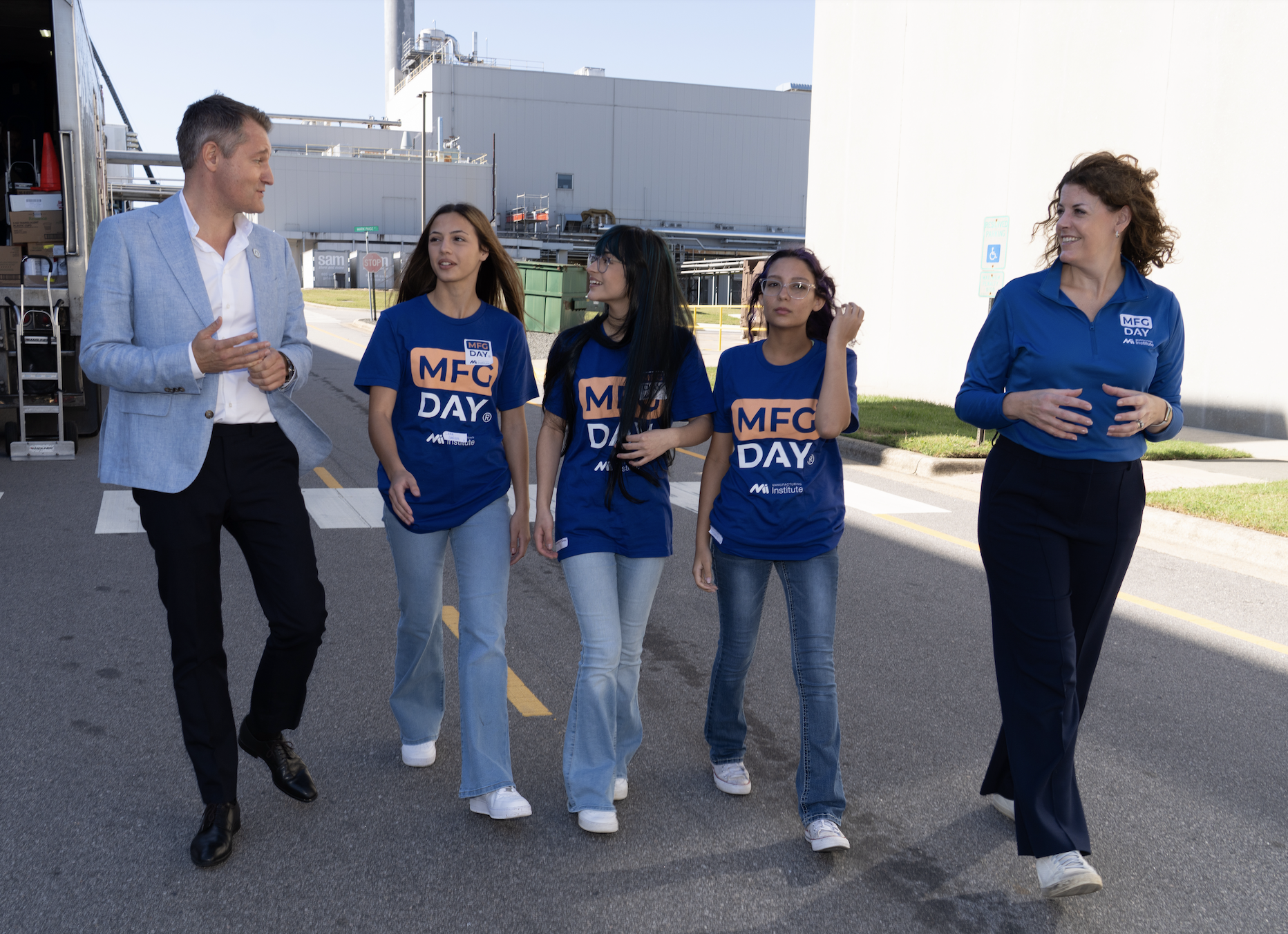
Novonesis Hosts National Flagship Manufacturing Day Event at North America Headquarters
Globenewswire· 2025-10-06 14:00
Core Insights - Novonesis hosted Manufacturing Day to showcase the future of biomanufacturing and engage local students and educators in understanding the industry [1][2][7] Company Overview - Novonesis is a global leader in biosolutions, employing over 2,200 people across North America [4] - The Franklinton, North Carolina facility is the largest multipurpose enzyme manufacturing plant in the U.S., while the Blair, Nebraska site is the largest enzyme production facility dedicated to biofuels and animal health [4] - The West Allis, Wisconsin location is recognized as the largest fermentation site of lactic bacteria globally [4] Industry Context - The U.S. bioeconomy is valued at $210 billion and is projected to nearly double by 2030 [4] - The industry relies on microbes, enzymes, and proteins to innovate and create sustainable products across more than 30 sectors, including food and beverages, bioenergy, and agriculture [5] Workforce Development - The U.S. will need 3.8 million new manufacturing workers in the next decade, with nearly half of these positions likely to remain unfilled without enhanced training [6] - Novonesis collaborates with educational institutions to bridge the skills gap, co-founding the BioWork program to prepare students for entry-level roles in biotechnology and pharmaceutical manufacturing [6]
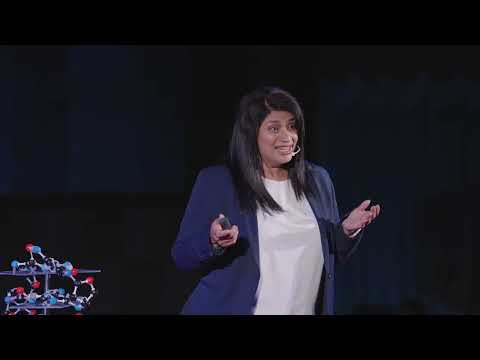
The Code of Life: Designing Future Impressions | Dr. Anu Raghunathan | TEDxPune
TEDx Talks· 2025-09-25 15:27
Core Technology & Scientific Advancements - The industry is at the cusp of programming life by understanding and manipulating cells like sophisticated software [5][6] - Systems biology offers a holistic approach to reprogramming life by mapping molecular interactions within cells, similar to a city-wide traffic map, to identify bottlenecks in disease networks [7][8] - Genetically Encoded Metabolic Manipulators and Sensors (GEMS) are DNA-based living therapies that act as molecular smoke detectors to restore balance in cancer cells [13] - Synthetic biology tools, like CRISPR, enable modular design of living therapies, allowing for rapid updates and adaptive defense strategies against diseases [14] Applications & Bioeconomy - Synthetic biology can be applied to create sustainable biofactories for producing fuels, food flavors, and materials from renewable resources, reducing reliance on fossil fuels and carbon emissions [19] - Microbial strains can be engineered to produce valuable compounds like violacein (a purple pigment with antimicrobial properties) and vanillin (vanilla flavor), as well as biodegradable plastics [20][21] - Synthetic biology is rewriting product design and rebuilding global supply chains, potentially impacting various industries from toothpaste to pharmaceuticals [23] Ethical Considerations & Future Implications - Advances in genetic engineering raise ethical questions about genetic personalization, designer babies, and the potential for exacerbating social inequalities [25] - The industry emphasizes the need for public awareness, open dialogue, and responsible governance to navigate the ethical implications of programming life [26] - The industry is at the dawn of a biological renaissance, with DNA as the code and humanity as the storytellers, holding the power to program life itself [28]
Aktsiaselts Infortar unaudited consolidated interim report for Q2 2025
Globenewswire· 2025-08-04 06:00
Core Insights - Infortar's sales volumes increased significantly in Q2 2025, reaching €505 million, a 150% increase compared to the previous year [1] - The company successfully acquired Estonia Farmid, enhancing its position in the agricultural sector and contributing to the bioeconomy [2] - Infortar invested €38 million in various projects, including renewable energy initiatives and infrastructure developments [3] Sales and Financial Performance - In the first half of 2025, Infortar's consolidated revenue rose by €275.73 million to €951.869 million, largely due to the consolidation of Tallink Grupp's results [11] - The EBITDA for the energy segment improved to €19.929 million in Q2 2025, compared to a loss of €0.845 million in Q2 2024 [13] - The consolidated net loss for the first half of 2025 was €-14.4 million, a significant decline from a net profit of €73.017 million in the same period of 2024 [14] Segment Performance - The maritime transport segment saw an increase in passenger numbers to 1,488,128, a 2.5% rise from Q2 2024, while cargo units transported decreased by 22.8% [4] - The energy segment's gas and electricity sales reached 4.9 TWh, a 25% increase year-over-year, with a market share of 27.7% in the Finnish-Baltic market [6] - In real estate and infrastructure, Infortar completed the Pärnu bridge and continued work on the Rail Baltica mainline, valued at €67.2 million [7] Investments and Projects - Infortar's investments in the first half of 2025 totaled approximately €38 million, focusing on renewable energy and infrastructure projects [15] - The company is constructing one of Estonia's largest biomethane plants and a new solar power plant in Latvia [3] Financial Position - As of June 30, 2025, Infortar's total liabilities amounted to €941.747 million, with net debt at €795.379 million [16] - The net debt to EBITDA ratio was reported at 3.4, indicating the company's leverage position [16] Dividends - Infortar plans to pay a dividend of €3 per share for the 2024 financial year, with the first payment made on July 15, 2025 [17]
