
Digital Public Infrastructure

Search documents
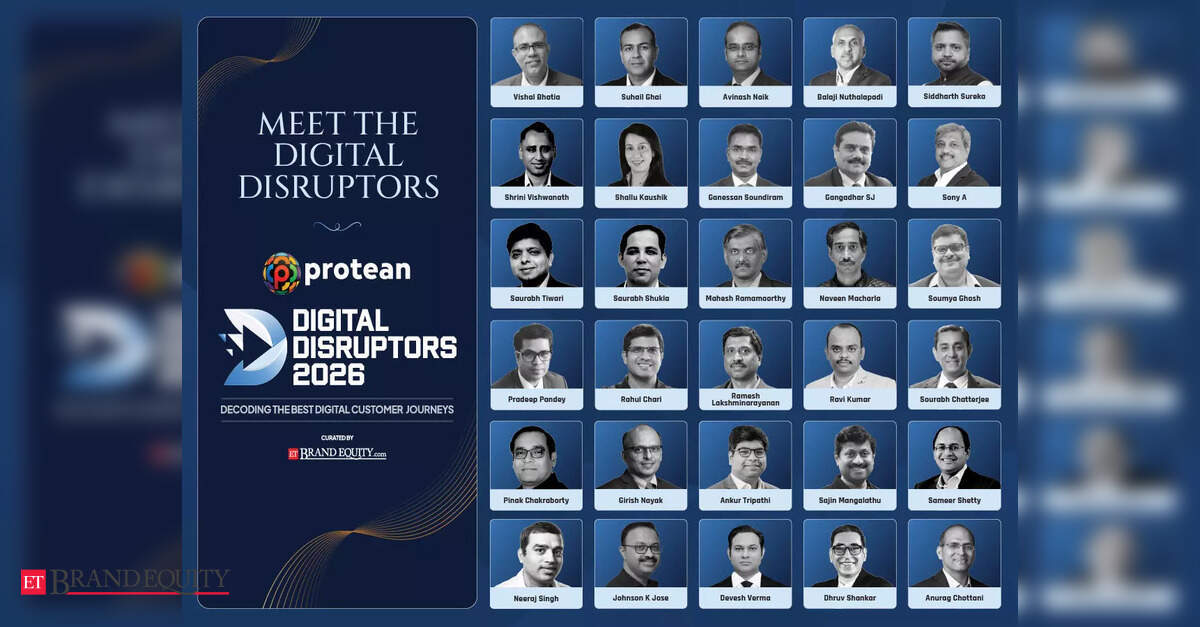
Protean Digital Disruptors 2026 recognizes leaders powering India’s next-gen financial ecosystem
ETBrandEquity.com· 2026-03-19 03:57
Core Insights - The inaugural edition of Protean Digital Disruptors 2026 recognized leaders in India's financial ecosystem who are driving large-scale transformation through technology-led, scalable, and resilient systems [1][11] - The awards focus on the advancements in India's financial sector, particularly in digital public infrastructure (DPI), embedded finance, and regulatory innovation, which are redefining the design, delivery, and scaling of financial services [1][11] Evaluation Process - A distinguished jury of senior industry leaders and domain experts evaluated nominees based on their innovation impact, scalability, and contributions to strengthening India's digital financial architecture, ensuring the awards' credibility and meaningfulness [2][11] Winners - Notable winners include Ratan Kumar Kesh (Bandhan Bank), R. Viswesvaran (India Post Payments Bank), Pankaj Sharma (IndusInd Bank), and several other leaders from various financial institutions and fintech companies [4][11] Future Aspirations - The Protean Digital Disruptors 2026 aims to inspire the next generation of leaders to create bold, future-ready institutions and drive purposeful innovation in a rapidly evolving financial landscape [5][11] Industry Commentary - Rakesh Dosi, Chief Business & Product Officer at Protean eGov Technologies, emphasized the shift towards an AI-first organization, focusing on enabling population-scale digital systems that transcend incremental digitization, thereby creating a more intelligent and resilient financial ecosystem [6][11] - The initiative highlights the importance of building resilient systems that power the economic engine of the nation, modernizing legacy frameworks, and driving fintech innovation and regulatory transformation [6][11]


身份识别与即时支付:通过数字身份实现可信、普惠的快速支付
Shi Jie Yin Hang· 2026-02-25 01:25
Investment Rating - The report does not explicitly provide an investment rating for the industry. Core Insights - The integration of digital identity (ID) and fast payment systems (FPS) is essential for building modern, inclusive digital economies, addressing challenges related to fraud prevention, customer onboarding, and authentication [18][19][26] - The proposed model includes the Trusted Access and Credentialing Hub (TACH) and the Payment Identity Credential (PIC), which aim to enhance interoperability between digital ID and FPS [19][20][40] - Verifiable credentials (VCs) are central to this integration, providing a standardized, tamper-proof way to carry identity and entitlement information into payment processes [24][68] Summary by Sections Executive Summary - Digital public infrastructure consists of three pillars: digital ID, FPS, and trusted data exchange, which together enable secure participation and innovation [18] - The report emphasizes the need for an integrated system to reduce frictions for users and providers [19] Setting the Context - The World Bank has developed a toolkit to guide countries in implementing FPS, highlighting the importance of digital ID in these systems [33][34] FPS: Relevance and Challenges - FPS enable real-time payment transactions and are crucial for financial inclusion, but they face challenges such as access to transaction accounts and fraud risks [48][50] - Approximately 100 countries are developing or have developed FPS, which differ from card networks by allowing instant settlement and supporting multiple use cases [48][49] Verifiable Credentials as Catalysts for FPS and Digital ID Interoperability - VCs can streamline processes like KYC and onboarding by allowing users to present verified credentials without repeated checks [66][67] - The use of VCs can enhance security and user experience by embedding trusted identity into payment messages [68][69] Key Enablers of Verifiable Credentials - Digital wallets and trust frameworks are essential for the effective implementation of VCs, enabling users to hold and present their credentials securely [16][17] Creating a Foundational Model for Interoperability - The TACH and PIC model is designed to integrate with existing FPS without disrupting current infrastructures, allowing for incremental adoption [21][23] Use Cases for TACH and PIC - Various use cases are explored, including KYC credential issuance, confirmation of payee, and eligibility verification, demonstrating the practical benefits of the proposed model [24][42] Key User Experience Considerations - The report outlines user experience features enabled by the PIC, emphasizing the importance of seamless interactions across different platforms [31][32] Conclusion - The paper aims to provide a conceptual foundation for policymakers and stakeholders to advance interoperability and build resilient digital payment ecosystems [31][30]