G2国运博弈

Search documents
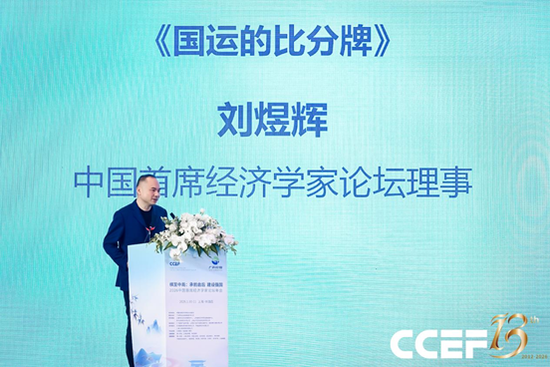
“超音速海啸”已至:刘煜辉论AI革命与国运博弈下的2026
Xin Lang Cai Jing· 2026-01-13 08:35
Core Viewpoint - The world is undergoing a "supersonic tsunami-level" transformation driven by the AI revolution and the G2 geopolitical competition, which is reshaping economic fundamentals and potentially rendering traditional macroeconomic theories obsolete [1][4]. Group 1: AI Revolution and Economic Impact - The AI revolution is fundamentally altering the traditional production function, where AI is becoming a core productive force, replacing high-skilled labor roles that were previously thought to be secure [3][12]. - By 2025, it is predicted that over half of white-collar jobs will be rapidly replaced by AI, with all such positions potentially disappearing by 2030 [3][12]. - The shift in labor dynamics indicates that macroeconomic models may no longer hold, as the relationship between labor and technology is being redefined [4][13]. Group 2: Geopolitical Dynamics and Market Trends - The geopolitical landscape has shifted significantly, with the G2 relationship evolving from "decoupling" to a more complex "deal" dynamic, as evidenced by recent statements from U.S. leadership regarding Taiwan [5][14]. - In the past year, the A-share market rose by 1,400 points, and the Hang Seng Index surged by 10,000 points, driven not by traditional profit recovery but by a broader narrative of China gaining ground in the G2 competition [5][14]. - The U.S. attempts to stabilize the dollar through various measures have not succeeded, as evidenced by the decline in cryptocurrency values and the rise in gold and stock indices in other markets [6][14]. Group 3: Market Sentiment and Future Outlook - The current market sentiment is characterized by a strong bullish trend, with A-shares experiencing a 16-day winning streak, fueled by policy support and overarching narratives in the U.S.-China competition [7][16]. - Despite the positive market momentum, predicting short-term market movements remains challenging, as the true indicators of market performance lie within the strategic variables of the G2 competition [8][16]. - The ongoing competition is expected to be a long-term engagement, with significant implications for market dynamics and investor sentiment [7][16].