
Housing Market Stagnation

Search documents
Lennar Profit Falls as Housing Market Remains Stagnant
WSJ· 2025-12-16 22:10
Core Viewpoint - The overall market remains challenged despite a slight decrease in interest rates [1] Group 1 - Co-Chief Executive Stuart Miller highlighted the ongoing challenges in the market during the quarter [1]

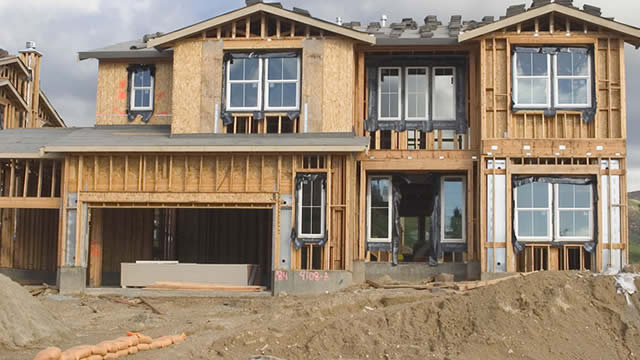
Why Home Depot Is Suddenly Plunging
The Motley Fool· 2025-11-20 09:25
Core Insights - Home Depot reported disappointing Q3 results, with stock prices dropping as much as 5% in early trading [1] - Revenue increased by 2.8% year-over-year to $41.4 billion, but adjusted diluted earnings per share fell to $3.74, missing both the previous year's figure and Wall Street expectations [2] - The company has revised its full-year earnings guidance, now expecting a 5% decline in diluted earnings per share for 2025 compared to 2024, a downgrade from the previous forecast of a 2% decline [3] Financial Performance - Q3 revenue was $41.4 billion, reflecting a 2.8% increase from the previous year [2] - Adjusted diluted earnings per share were $3.74, which is $0.04 lower than the same period last year and $0.10 below analyst expectations [2] Market Conditions - The U.S. housing market remains stagnant, significantly impacting Home Depot's sales, particularly in storm recovery and repair items [3][4] - Elevated borrowing rates and a shortage of housing supply have contributed to a gridlock in the housing market, affecting both potential home buyers and current homeowners [6] Competitive Landscape - Competitor Lowe's has also experienced a decline in stock prices, down nearly 9% this year, reflecting the broader challenges in the home improvement sector [7] Future Outlook - The National Association of Realtors predicts a potential recovery in the housing market by 2026, contingent on job growth and lower mortgage rates [8] - Home Depot's inventory is significantly affected by tariffs, with nearly half sourced from outside the U.S., leading to modest price increases despite initial commitments to avoid raising prices [9] - The overall sentiment suggests that home improvement stocks may continue to face challenges until there is a clear recovery in the housing market [10]


Middle-class shoppers are pulling back, sending alarms through the retail industry: 'There are signs of real distress on the way'
Yahoo Finance· 2025-11-18 23:29
Core Insights - Home Depot has cut its full-year outlook due to a slowdown in consumer spending, with comparable sales rising only 0.2%, and US comps up by 0.1%, falling short of Wall Street expectations [1][3][7] - The company is experiencing a decline in demand as middle-class shoppers are becoming more cautious, influenced by high borrowing costs and a sluggish housing market [3][4] - External factors such as milder weather and a lack of storms have negatively impacted sales of seasonal products, further contributing to the decline in home improvement demand [4][5] Group 1: Company Performance - Home Depot reported weakening sales growth for Q3, with a significant drop in expected demand [2][3] - The company had anticipated better results due to easing interest rates, but this did not materialize [3][4] - The decline in home improvement projects is estimated at 0.8% from the previous year, particularly affecting big-ticket remodels that require financing [5] Group 2: Industry Trends - The slowdown in consumer spending is part of a broader trend affecting the retail sector, with many retailers facing similar challenges [6][8] - Analysts indicate that the consumer backdrop is deteriorating quickly, moving from "soft to softer" as winter approaches [4][7] - Uneasy consumers are shifting their spending towards travel and leisure rather than home upgrades, impacting overall demand in the home improvement sector [5][6]
D.R. Horton Profit Falls as Housing Market Remains Stagnant
WSJ· 2025-10-28 11:07
Core Viewpoint - D.R. Horton experienced a decline in fourth-quarter profit due to ongoing affordability concerns affecting home buyers [1] Company Summary - D.R. Horton recorded a lower profit in the fourth quarter, indicating challenges in the housing market [1] - The decrease in profit is attributed to persistent affordability issues that are deterring potential home buyers [1] Industry Summary - The housing market is facing significant affordability challenges, which are impacting buyer sentiment and overall sales [1] - Ongoing concerns about home affordability may lead to a slowdown in housing demand, affecting companies like D.R. Horton [1]

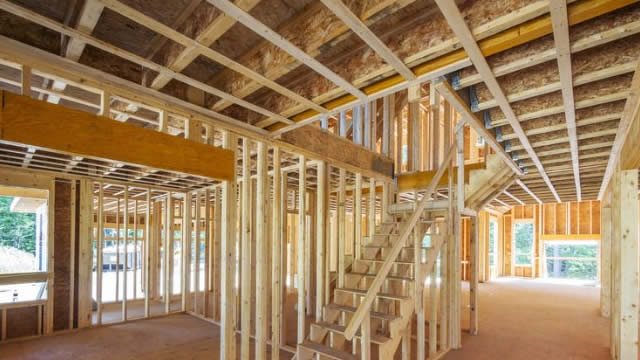
‘Oracle of Wall Street’ says boomers control the housing market, and their enormous equity will keep them in place — ‘There will be no quick fixes’
Yahoo Finance· 2025-09-22 18:03
Core Insights - Baby boomers now own over 54% of U.S. homes, a significant increase from 44% in 2008, indicating a shift in homeownership demographics [1] - 79% of seniors own their homes, with three-fourths having no mortgage, providing them with substantial equity to manage rising homeownership costs [2] - The housing market is expected to remain constrained as boomers are less likely to downsize, leading to limited inventory for younger buyers [3][4] Housing Market Dynamics - The housing market is undergoing a transformation, with no quick fixes anticipated, as seniors control the market and are not inclined to move [4] - The number of first-time home buyers has reached a historic low due to affordability issues exacerbated by the current market conditions [4] - Home equity lines of credit are becoming a popular financial resource for seniors, who account for 41% of outstanding revolving home equity credit [2] Economic Implications - The financial behavior of seniors, including borrowing against their homes, is influencing the broader U.S. economy, with expected growth in home equity funding over the next three to four years [2] - Despite the collective wealth of boomers amounting to $75 trillion, the distribution is uneven, with many seniors living paycheck to paycheck and struggling to afford assisted living [5] - External factors, such as tariffs and immigration policies, are also contributing to a slowdown in new home supply, further complicating the housing market landscape [6]