MEMS微振镜

Search documents
激光雷达,在唱衰声中偷偷卖爆!
电动车公社· 2025-10-16 15:59
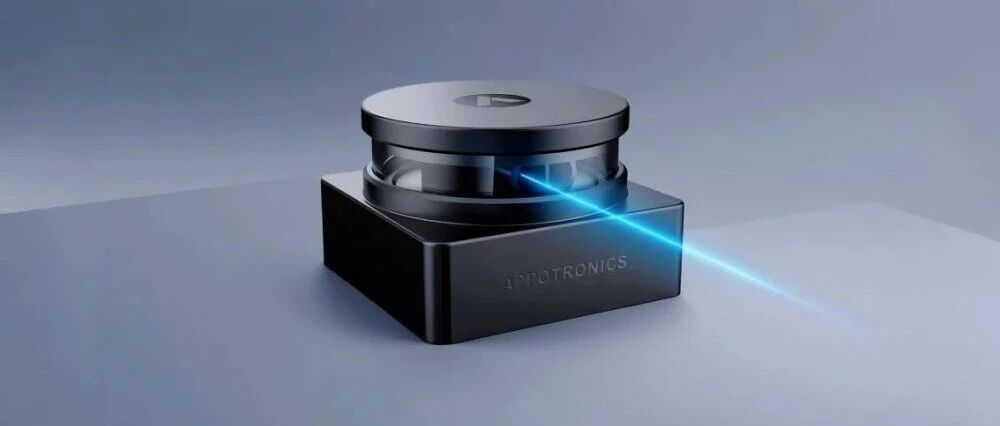
Core Viewpoint - The laser radar industry is experiencing significant growth despite initial skepticism, with companies like Hesai Technology achieving over one million units in annual production, indicating a strong market demand for laser radar technology [6][82]. Group 1: Market Performance - Hesai Technology has become the first company globally to produce over one million laser radars annually, with expectations to triple last year's output of 500,000 units [6][7]. - Another notable company, Suteng Juchuang, reported a total shipment of 266,800 units in the first half of 2025, marking a year-on-year increase of 9.6% [9]. - The domestic shipment of vehicle-mounted laser radars in the first half of this year saw a substantial increase of 71% compared to 2024 [10]. Group 2: Price Reduction and Accessibility - The cost of laser radars has decreased significantly, with prices dropping over 90% from previous years, making them more accessible for various vehicle models [24][28]. - The price of laser radars has reached as low as 1,400 yuan for certain models, allowing for integration into vehicles priced around 100,000 yuan [26][27]. - The introduction of lower-priced models, such as the Aion RT at 165,800 yuan and the Leapmotor B10 at 129,800 yuan, has further lowered the entry barrier for consumers [19][20]. Group 3: Technological Advancements - The transition from mechanical to semi-solid-state laser radars has been a key factor in reducing costs and improving performance, with semi-solid-state models being more compact and reliable [45][54]. - The development of MEMS micro-mirrors has enabled domestic manufacturers to reduce reliance on foreign suppliers, contributing to the rapid advancement of laser radar technology [70][73]. - The industry is moving towards fully solid-state laser radars, which promise even lower noise levels and longer lifespans, although challenges remain in terms of range and precision [75][81]. Group 4: Industry Landscape - The global laser radar market has shifted dramatically in the past five years, with domestic companies like Huawei, Hesai Technology, and Suteng Juchuang rising to prominence as foreign competitors like Velodyne and Bosch have retreated [82][84]. - A complete and mature industrial chain for laser radar has been established in China, supporting large-scale production and significant cost reductions [86]. - Beyond passenger vehicles, laser radars are finding applications in emerging fields such as smart robotics and logistics, indicating a broadening market potential [87][88].