Most-favored-nation pricing

Search documents
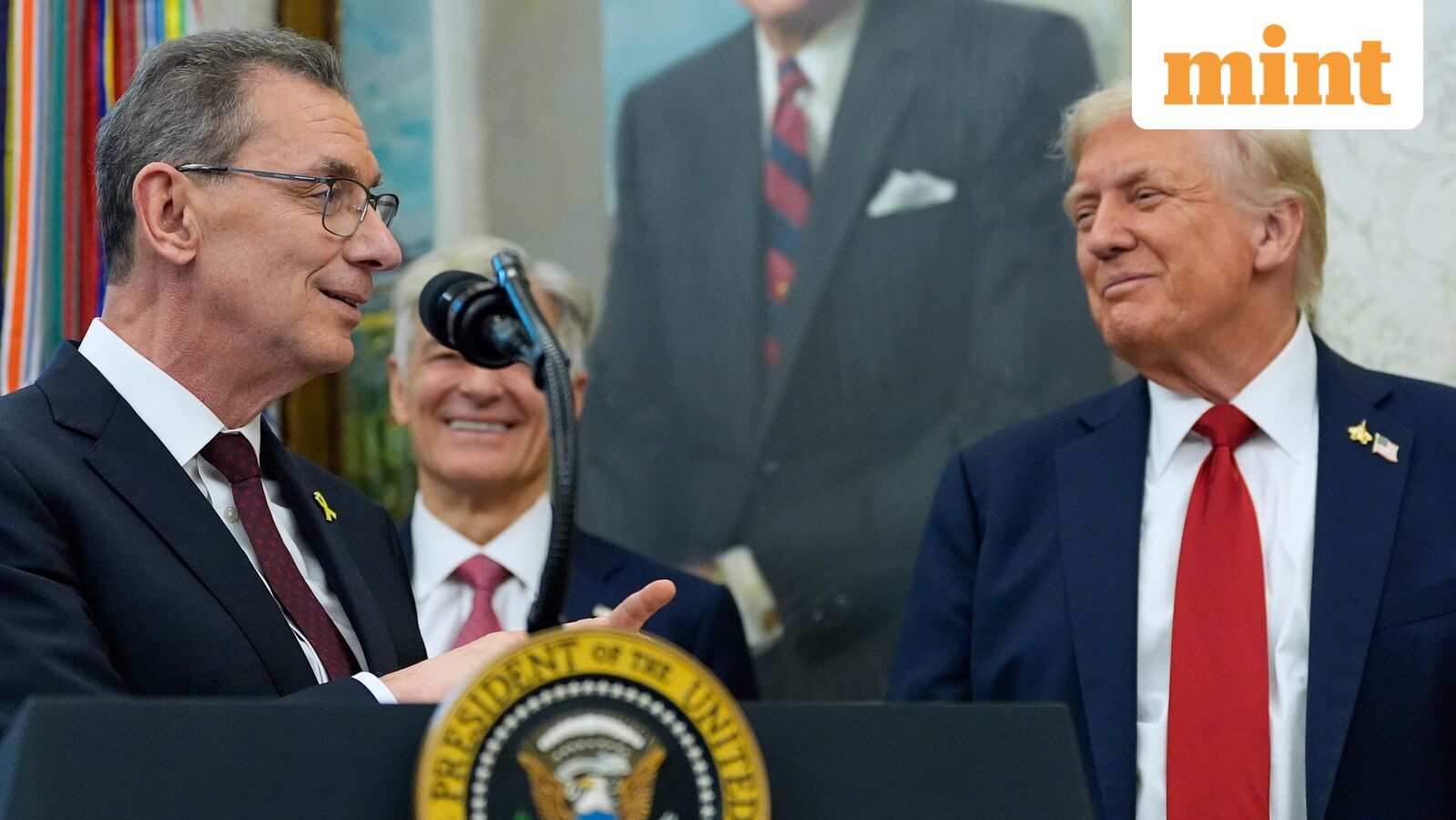
TrumpRx lists many medicines at prices higher than paid in UK
Reuters· 2026-03-18 18:23
Core Viewpoint - The TrumpRx website, aimed at reducing prescription drug prices for Americans, is not consistently offering lower prices compared to those in the UK, contradicting President Trump's claims of significant price reductions [1][4]. Group 1: Price Comparisons - Approximately one-third of the 54 drugs listed on the TrumpRx website are cheaper in the UK, with price differences ranging from 67% to 82% lower for specific medications such as Xeljanz, Farxiga, and GSK inhalers [3][10]. - The TrumpRx pricing for obesity drugs like Zepbound and Wegovy has been significantly reduced to between $149 and $350 per month, down from over $1,000, reflecting a substantial discount [10][11]. Group 2: Economic Impact on Drugmakers - Drugmakers have mixed views on the financial impact of the most-favored-nation pricing, with some companies like Novo Nordisk warning of potential profit drops of up to 13% by 2026 due to lower negotiated prices [7][15]. - Companies such as Novartis and Roche believe the impact will be immaterial, while Johnson & Johnson estimates a financial hit in the "hundreds of millions of dollars," which is relatively minor compared to their overall pharmaceutical sales exceeding $60 billion [15][16]. Group 3: Healthcare System Dynamics - The TrumpRx initiative is described as a "big... really expensive coupon book," primarily benefiting cash-paying consumers rather than those with insurance, which complicates the affordability issue for most Americans [5][6][14]. - The UK's National Health Service (NHS) employs a structured pricing system for medicines, which contrasts with the more variable pricing under TrumpRx, leading to higher cash prices for Americans compared to government-negotiated prices in the UK [12][13].


Two major drug companies are the latest to join TrumpRx
Fox Business· 2026-03-14 00:17
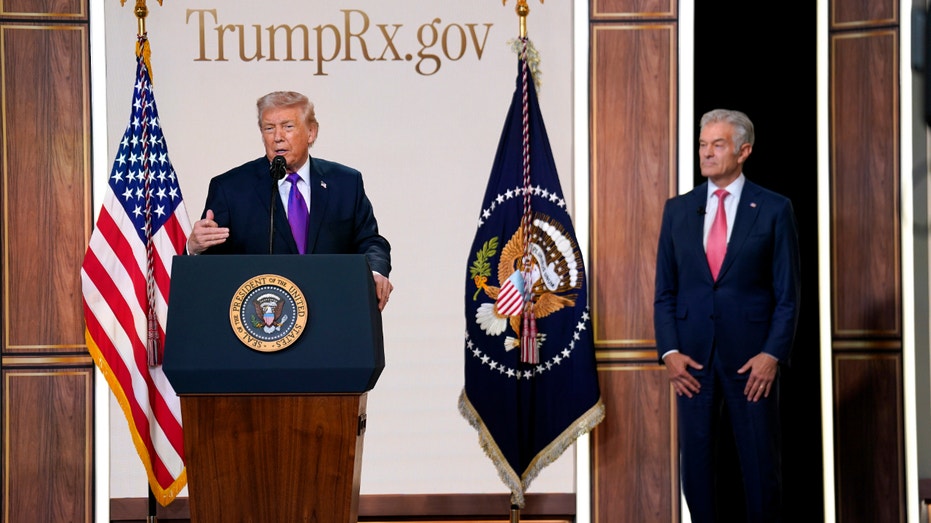
Core Viewpoint - The White House is set to announce an expansion of drugmakers offering discounts on TrumpRx.gov, with Amgen and GSK being added to the list, totaling 54 medications from six companies under most-favored-nation pricing [1][6]. Group 1: Drug Pricing and Discounts - Amgen will offer discounts of up to 80% on its medication Amjevita, reducing the price from $1,484 to $299, which treats rheumatoid arthritis, psoriasis, and ulcerative colitis [2]. - GSK plans to offer discounts of 62% on Aimovig and Repatha, and 55% on Incruse, which will be priced at $159 for COPD treatment. Other GSK drugs will have discounts ranging from 10% to 51% [5]. Group 2: Government Policy and Industry Response - The initiative is part of President Trump's push for affordable healthcare, with expectations of greater discounts and transparency in drug pricing as Congress considers the Great Healthcare Plan [7]. - The Pharmaceutical Research and Manufacturers of America has expressed concerns that government-imposed pricing policies could undermine U.S. competitiveness and negatively impact research and development funding [9][10]. Group 3: Historical Context of Drug Pricing - Under the Biden administration, prescription drug costs have increased by 10.4% from January 2021 to January 2025, while under the Trump administration, prices rose only 0.2% from January 2025 to February 2026 [13].


The Trump Market Medley: Tariffs, Dividends, and the Pharma Paradox
Stock Market News· 2025-12-20 18:00
Group 1: Drug Pricing Agreements - President Trump announced "historic" drug pricing agreements with nine major pharmaceutical companies, including Amgen, Bristol Myers Squibb, and Merck, aimed at reducing prices for Medicaid and direct-to-consumer sales through TrumpRx.gov [2][3] - The agreements are intended to align U.S. drug costs with the lowest prices paid by other developed nations, a concept known as "most-favored-nation" pricing [2] Group 2: Market Reactions to Drug Pricing - Despite the price cuts, pharmaceutical stocks saw gains, with GSK rising 1%, Merck gaining 1%, and Gilead Sciences surging approximately 3% [3] - The rally in stock prices is attributed to tariff exemptions secured by these companies in exchange for their pricing agreements, which alleviated potential tariff burdens [3][4] Group 3: Tariff Impacts - The U.S. effective tariff rate increased from 2.4% to 16.8%, the highest since 1935, contradicting claims that tariffs would reduce costs [5] - Market reactions to tariff announcements have been volatile, with significant drops in major indices following threats of tariff increases, such as a 2.7% decline in the S&P 500 on October 11, 2025 [6][8] Group 4: Economic Analysis of Tariffs - Analysts from Goldman Sachs warned that increased tariffs could significantly impact growth, estimating a reduction of nearly 0.7 percentage points from China's growth in 2025 [8] - The Tax Foundation labeled Trump's tariffs as the "largest tax hike since 1993," estimating an average increase of $1,100 per U.S. household in 2025 [8] Group 5: Warrior Dividend Announcement - President Trump announced a "$1,776 'warrior dividend'" for U.S. military personnel, funded by tariffs, totaling an estimated $2.6 billion [9][10] - Reports clarified that these payments were not new funds from tariffs but repurposed from existing military housing supplements, indicating a rebranding of existing funds rather than a new financial initiative [10][11] Group 6: Overall Economic Environment - The unpredictable nature of Trump's economic policies has led to erratic market behavior, with investors needing to navigate through rhetoric and actual economic impacts [12] - The combination of drug pricing agreements, tariff threats, and the warrior dividend illustrates the complex interplay of policy and market reactions in the current economic landscape [12]
Trump strikes deal with US drugmakers to cut Medicaid medicine costs
The Guardian· 2025-12-19 20:14
Core Insights - Donald Trump and nine major pharmaceutical companies have reached agreements to significantly reduce drug prices for the Medicaid program and cash payers, aiming to align US costs with those in other wealthy nations [1][2] Group 1: Price Reductions and Agreements - Drugmakers will cut prices on most drugs sold to Medicaid, promising "massive savings" on commonly used medicines, although specific figures were not disclosed [2] - The deals include agreements to lower cash-pay prices for select drugs, launch drugs in the US at prices equal to those in other wealthy nations, and increase manufacturing [3] - Merck plans to sell its diabetes drugs at approximately 70% off list prices directly to US consumers, with potential for its experimental cholesterol drug to be offered through direct channels [4] Group 2: Previous and Current Deals - Five companies had previously made agreements with the administration to control prices, while three companies have yet to announce deals [6] - Drugmakers committed to "most-favored-nation" pricing for all new US drug launches across various markets, including Medicare [7] Group 3: Financial Commitments and Investments - Companies pledged to invest over $150 billion in US research and development and manufacturing, with Merck contributing $70 billion of that total [8] - A portion of revenues from foreign sales will be remitted to the US to help offset costs [8] Group 4: Medicaid and Market Impact - Medicaid, which represents about 10% of US drug spending, already benefits from significant price discounts, sometimes exceeding 80% [9] - Pfizer indicated that Medicaid discounts would lead to price and margin compression in the upcoming year [9]




Trump secures agreements with Merck, Amgen, Novartis and others to cut drug prices under Medicaid
MINT· 2025-12-19 20:04
Core Points - US President Donald Trump announced agreements with nine major pharmaceutical companies to reduce drug prices for Medicaid and cash-paying consumers, aiming to align US drug costs with those in other wealthy nations [1][4] - Trump emphasized that the US was previously subsidizing global drug costs and will no longer do so [2] Group 1: Drugmakers Involved - Participating companies include Bristol Myers Squibb, Gilead Sciences, Novartis, Amgen, Boehringer Ingelheim, Sanofi, GSK, Merck, and Roche's US unit Genentech [3] - Additional companies like Regeneron, Johnson & Johnson, and AbbVie are expected to join after the holidays [3] Group 2: Price Reductions and Commitments - Drugmakers will reduce prices on most medicines sold to Medicaid, promising "massive savings" on widely used drugs, although specific figures were not disclosed [4] - The agreements also include commitments to cut cash prices for select medicines and to launch new drugs in the US at prices equal to those in other wealthy countries [5] Group 3: Specific Drug Pricing - Merck plans to sell diabetes drugs Januvia, Janumet, and Janumet XR at discounts of about 70% off list prices [7] - Amgen will price its migraine drug Aimovig and arthritis treatment Amjevita at $299 per month, which is nearly 60% and 80% below current US list prices, respectively [7] Group 4: Investment and Revenue Sharing - Companies pledged to invest over $150 billion in US research, development, and manufacturing, with Merck alone committing $70 billion [8] - A portion of each company's overseas revenue will be remitted to the US to help offset domestic drug costs, and several companies agreed to donate drug ingredients to the US strategic reserve [9] Group 5: Industry Reaction - Five drugmakers, including Pfizer and Eli Lilly, had already struck similar deals with the administration, and AbbVie is expected to announce its agreement soon [10]


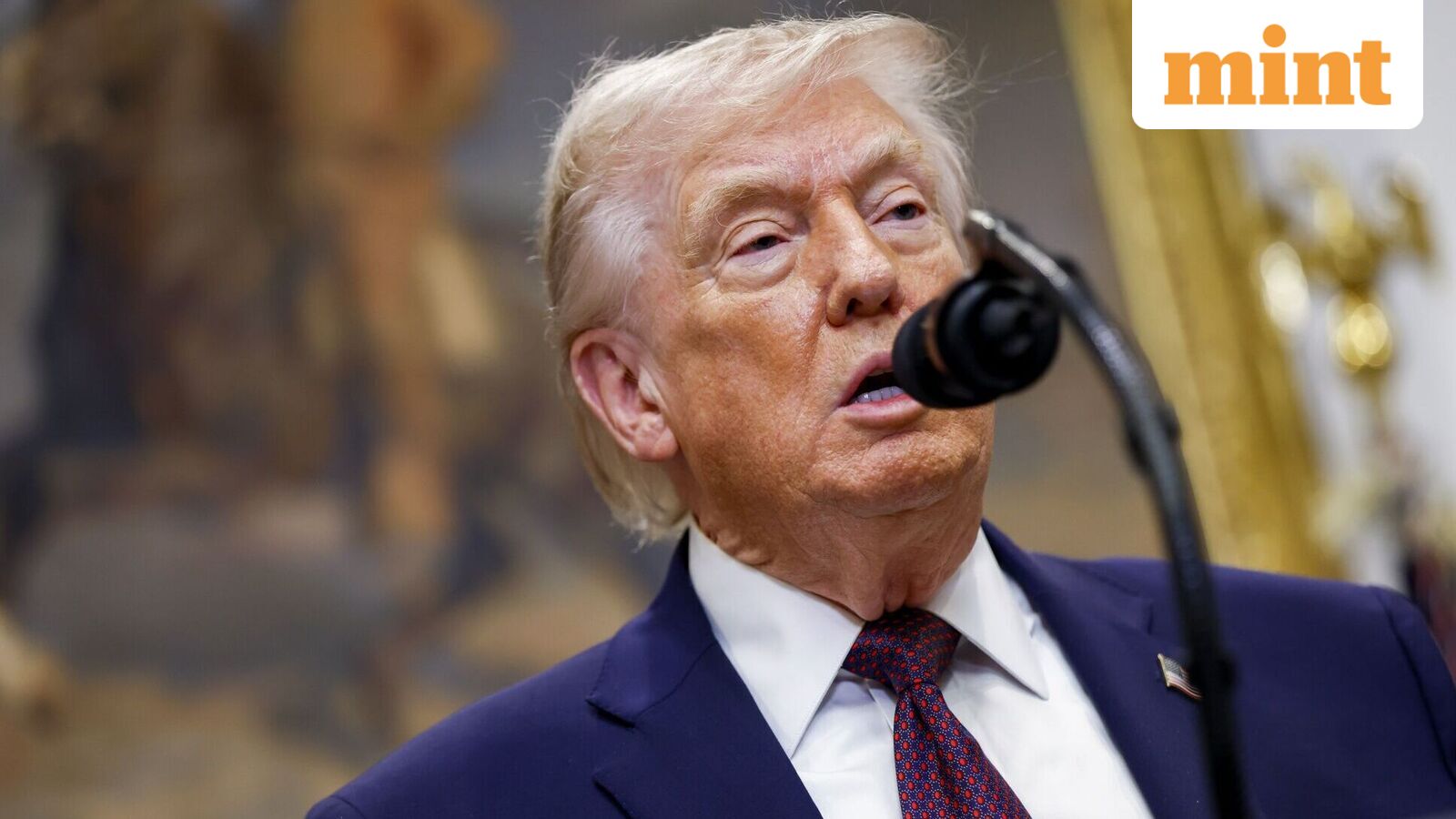
Pfizer to cut drug prices, announces $70 billion US investment, and discounted sales via TrumpRx
MINT· 2025-09-30 16:52
Core Insights - Pfizer Inc. is planning to announce measures to lower prescription drug prices, particularly for Medicaid patients, in collaboration with President Trump [1][2] - The initiative includes a "most favored nation" pricing model for select medicines and discounted direct-to-consumer sales through a government website called TrumpRx [2][3] - Pfizer will invest $70 billion in research, development, and domestic manufacturing, indicating a significant expansion of its US operations [4] Pricing Strategy - The "most favored nation" pricing policy will require Pfizer to reduce Medicaid prices and align US drug prices with those in other countries for future drugs [5] - Direct-to-consumer discounts will be available through the TrumpRx platform, allowing Americans to purchase certain high-volume drugs at government-negotiated rates [3][5] Government Support and Pressure - The White House has expressed strong support for the initiative, highlighting President Trump's efforts to lower healthcare costs compared to other political actions [5] - Trump's administration has previously sent letters to major drugmakers, including Pfizer, demanding compliance with pricing reductions by September 29 [6] Domestic Production and Tariffs - In addition to price reductions, the Trump administration is pushing for increased domestic production from drug manufacturers [7] - Plans have been announced to impose 100% tariffs on imported branded or patented drugs unless manufacturers establish production facilities in the US, with tariffs set to begin on October 1 [7]