Trademark infringement

Search documents
Estée Lauder tested products sold on Walmart's site. What it found led to a lawsuit
Fastcompany· 2026-02-12 22:02
Core Viewpoint - Estée Lauder has filed a lawsuit against Walmart for selling counterfeit beauty products on its website, claiming trademark infringement after testing products that were not made by its brands [1] Group 1: Lawsuit Details - The lawsuit was filed in California federal court and includes accusations of extreme and fraudulent business practices by Walmart [1] - Estée Lauder's legal team argues that Walmart's actions were harmful and deserving of exemplary and punitive damages to deter future misconduct [1] Group 2: Products Involved - Specific products mentioned in the lawsuit include a fragrance from Le Labo, La Mer moisturizer, Clinique eye cream, an Aveda hair brush, and several Tom Ford fragrances [1] - Walmart's website continues to list products that are claimed to be "identical, substantially indistinguishable, or confusingly similar" to Estée Lauder's trademarks [1] Group 3: Price Discrepancies - An example cited is a 1-ounce jar of Crème de la Mer moisturizer, which retails for $200 on La Mer's website but is available on Walmart's site for as low as $146.35, raising concerns about the authenticity of the product [1]



Estée Lauder sues Walmart over alleged counterfeits
Retail Dive· 2026-02-12 17:07
Core Viewpoint - Estée Lauder, Inc. has filed a complaint against Walmart, Inc. for trademark infringement related to counterfeit products sold through Walmart's third-party marketplace [1][2]. Group 1: Complaint Details - The complaint alleges that counterfeit products violating trademarks for brands such as Le Labo, La Mer, Estée Lauder, Clinique, Aveda, and Tom Ford were sold through Walmart's marketplace [1]. - Estée Lauder argues that shoppers could reasonably believe Walmart is the seller of these counterfeit products due to the way sellers are disclosed on Walmart's listings [2]. - The company claims that Walmart's assertion of vetting third-party sellers implies that Walmart "permitted and selected" the sellers of the counterfeit products [2]. Group 2: Legal Actions and Requests - Estée Lauder seeks a jury trial and requests that Walmart be ordered to stop importing, selling, and advertising the accused counterfeit products [3]. - The company is also seeking damages and demands that Walmart disclose the suppliers or manufacturers of the counterfeit products, along with an accounting of Walmart's profits from these sales [3]. - The complaint includes unnamed defendants, as Estée Lauder is currently unaware of their true identities and capacities, and is open to amending the complaint once this information is obtained [4].
Estée Lauder sues Walmart over alleged counterfeit beauty sales
Fox Business· 2026-02-11 20:13
Core Viewpoint - Estée Lauder Companies and several luxury brands have filed a federal lawsuit against Walmart for allegedly allowing counterfeit beauty and fragrance products to be sold on its online marketplace [1][2]. Group 1: Lawsuit Details - The lawsuit was filed in the U.S. District Court for the Central District of California, claiming that counterfeit versions of high-end products, including Estée Lauder's Advanced Night Repair and Tom Ford fragrances, were sold on Walmart's website [1]. - The complaint argues that Walmart's website layout and checkout system could mislead consumers into believing that Walmart is the seller, even when products are supplied by third-party vendors [2][5]. - The plaintiffs are seeking unspecified monetary damages, potentially up to three times the amount if the violations are found to be intentional, along with a court order to halt sales, destroy remaining inventory, and disclose suppliers [11]. Group 2: Walmart's Role - The lawsuit highlights that Walmart selects and partners with marketplace sellers, controls payments and checkout, and often handles fulfillment and returns, earning fees from those sales [5]. - The complaint includes claims of "vicarious trademark infringement," asserting that Walmart should be held liable for the actions of third-party sellers on its platform [11]. - Walmart has stated that it has a zero-tolerance policy for counterfeit products and will respond appropriately to the lawsuit [12]. Group 3: Additional Claims - Tom Ford is also alleging trade dress infringement related to its Private Blend fragrance collection, claiming that copycat bottles have duplicated the brand's distinctive design elements [8].
HC bars Indian firm from using Tesla trademark
Rediff· 2025-11-27 10:14
Core Viewpoint - The Delhi high court has granted an interim injunction in favor of Tesla Inc, preventing Tesla Power India from using the trademarks 'Tesla Power' or 'Tesla Power USA' in any form, including the manufacturing of electric vehicles [1][6]. Group 1: Court's Findings - The court noted that Tesla Power India has stated it has no intention to manufacture electric vehicles or market other entities' EVs under the disputed trademarks until the final resolution of the case [3]. - Justice Tejas Karia indicated that Tesla Inc has established a prima facie case for the injunction, demonstrating prior use, goodwill, and reputation associated with the Tesla trademark [4][5]. - The court emphasized that the balance of convenience favors Tesla Inc, and failure to grant the injunction could cause significant prejudice to the plaintiff [5]. Group 2: Trademark and Consumer Confusion - Tesla Inc argued that the Indian company's trademarks prominently feature the word 'TESLA', which could lead to consumer confusion [7]. - The court found that the name 'Tesla Power USA' appears to be intended to mislead customers into believing a connection with Tesla Inc, which is based in the USA [8].

Court bars Tesla Power's ads for now, amid brand dispute
The Economic Times· 2025-11-24 19:06
Core Viewpoint - The Delhi High Court has restrained Gurugram-based Tesla Power India from using the 'Tesla' brand for promotional advertisements related to electric vehicle products until the resolution of a trademark infringement lawsuit filed by Tesla Inc against the company [6]. Group 1: Legal Proceedings - Tesla Inc filed a lawsuit in May last year, alleging that Tesla Power's use of its trademark in India was causing consumer confusion and harming its business interests [6]. - The court noted an undertaking from Tesla Power's CEO that the company had no plans to enter the electric vehicle market, which influenced the court's decision to impose a restraint order [6]. - The court has prohibited Tesla Power from using the 'Tesla' mark in relation to various battery products and services, including lead-acid and lithium-ion batteries [6]. Group 2: Company Arguments - Tesla Power contended that it was not manufacturing electric vehicles but was only selling lead-acid batteries and inverters [4]. - The company claimed that advertisements featuring the Tesla trademark were related to a strategic partnership with another company, e-Ashwa, and not directly linked to Tesla Power's products [4]. - Tesla Power argued that it was not violating trademark laws, asserting that 'Tesla' is not a coined mark and that many companies share the same name globally, including in India [5]. Group 3: Compliance and Actions - Following accusations from Tesla Inc regarding the sale of electric scooters under various sub-brands, the court requested Tesla Power to provide an affidavit detailing the number of electric scooters sold [5]. - Tesla Power communicated to the court that it had instructed vendors and partners to remove the Tesla marks from electric scooters, emphasizing its intention to comply with the court's undertaking [5].

Levi’s Accuses 7 For All Mankind of Trademark Infringement
Yahoo Finance· 2025-10-31 18:15
Core Viewpoint - Levi Strauss & Co. has initiated a trademark infringement lawsuit against Delta Galil Industries-owned 7 For All Mankind, claiming that the latter has misappropriated its tab trademark, which is essential for identifying authentic Levi's products [1][2]. Group 1: Trademark Infringement Allegations - The lawsuit alleges that 7FAM's use of the tab trademark could dilute or harm Levi's brand, as the tab is recognized globally as a symbol of authenticity and quality [1][2]. - Levi's claims that the tab trademark appears on nearly all of its jeans and other apparel, with millions of products sold annually featuring this trademark [2]. - The complaint specifies that the markings on 7FAM's products are likely to cause consumer confusion regarding the affiliation and origin of the products [3]. Group 2: Legal Actions Requested - Levi's has accused 7FAM of multiple legal violations, including federal trademark infringement and unfair competition, as well as California state trademark infringement [3]. - The company is seeking a court order to prevent 7FAM from creating, selling, or marketing products that resemble its tab trademark, which could mislead consumers [3].
89-year-old legendary restaurant chain closing all locations in key area
Yahoo Finance· 2025-10-22 16:47
Core Insights - Big Boy Restaurant Group is closing all six Dolly's Burgers & Shakes locations in Cincinnati and Dayton due to unsustainable operating conditions and ongoing legal challenges [1][2] Group 1: Company Challenges - The company faced a legal dispute with Frisch's Big Boy over trademark rights, which resulted in a temporary restraining order preventing the use of the Big Boy name in Southwest Ohio [4][5] - Financial difficulties at Frisch's led to the eviction of multiple locations, with Frisch's now operating just over 30 restaurants, down from 80 in 2024 [3] Group 2: Future Plans - Despite the closures, Big Boy Restaurant Group had plans to open over 50 restaurants in the area before the legal issues arose, and the company remains optimistic about returning to the market once the legal matters are resolved [7]
Smucker sues Trader Joe's over Uncrustables dupes, calling its crustless PB&J sandwiches a 'copycat'
Business Insider· 2025-10-16 18:39
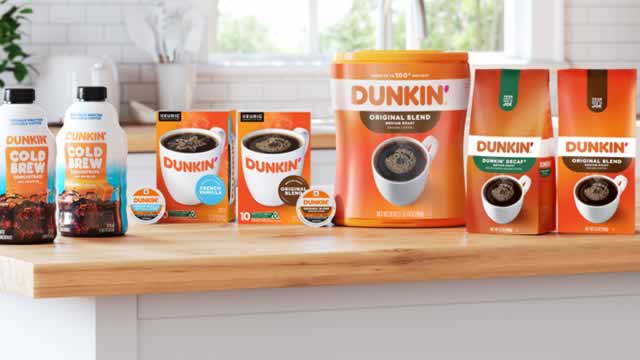
Core Points - JM Smucker has filed a lawsuit against Trader Joe's for allegedly infringing on its trademark rights with a similar product, a crustless peanut butter and jelly sandwich [1][2] - The lawsuit highlights the similarities in product design, including crimped edges and a specific shade of blue in the packaging that Smucker has trademarked [2][3] - Uncrustables, Smucker's flagship product, has grown to nearly $1 billion in sales, with over 1.5 billion sandwiches produced annually [3] Company Overview - Smucker's Uncrustables brand is popular among children and is also consumed by NFL players, indicating a broad market appeal [8] - The company emphasizes the importance of protecting its trademarked design to maintain brand quality and prevent consumer confusion [3][9] Legal Context - The lawsuit claims that there is consumer confusion regarding the origin of Trader Joe's product, with social media discussions suggesting they may be produced in the same facilities as Uncrustables [9][10] - Smucker is seeking the removal of Trader Joe's crustless sandwiches and marketing materials, as well as compensation for profits earned from these products [11]

Lululemon Sued Costco For Selling Dupes Of Popular Clothes. Can It Win?
Forbes· 2025-07-01 20:27
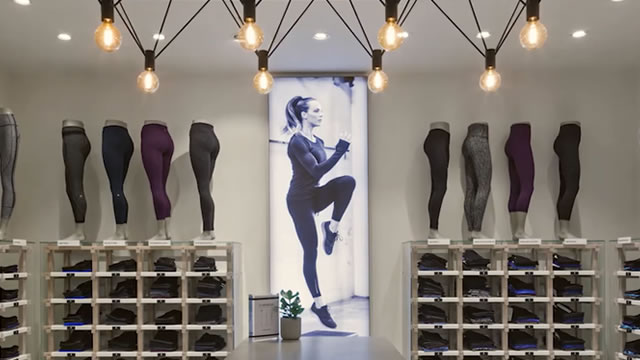
Core Viewpoint - Lululemon has filed a lawsuit against Costco, accusing the retailer of selling knockoff versions of its popular products, highlighting the challenges faced by established brands in combating "dupe culture" [1][2]. Group 1: Lawsuit Details - The lawsuit, filed in California, claims that Costco is selling and manufacturing knockoffs of Lululemon's Scuba sweatshirts, Define jackets, and ABC pants, alleging trade dress infringement and unfair competition [2]. - Lululemon seeks compensation for lost profits and significant harm to its brand and reputation due to Costco's actions [2]. Group 2: Legal Challenges - Winning a trademark infringement lawsuit over dupe products is difficult, as the original manufacturer must prove that the copycat product could confuse customers into believing it is the real item [3][4]. - The burden of proof lies with the original company to demonstrate that the copycat product has caused confusion and impacted their business, which is challenging to establish [4]. Group 3: Industry Context - The rise of "dupe culture" has been significantly influenced by social media platforms like TikTok, where consumers actively seek and share cheaper alternatives to high-end products [6]. - TikTok videos featuring the dupe hashtag have garnered over 6 billion views, indicating a growing acceptance of purchasing knockoff products among younger consumers [6]. Group 4: Related Legal Cases - A notable case involved e.l.f. Cosmetics, which admitted to creating a product that mimicked Benefit Cosmetics' mascara but was ruled not to infringe on trademarks due to insufficient evidence of customer confusion [7][8]. - Other companies, such as Mondelez International and Williams-Sonoma, are also pursuing legal action against retailers and websites for similar trademark infringement claims [8].


Lululemon Sues Costco Over 'Confusingly Similar' Apparel Products
Investopedia· 2025-06-30 12:25
Core Viewpoint - Lululemon Athletica has filed a lawsuit against Costco Wholesale, alleging trademark infringement due to the sale of clothing that closely resembles Lululemon's designs [2][3]. Group 1: Lawsuit Details - The lawsuit was filed in a California federal court, where Lululemon claims that Costco has unlawfully capitalized on its reputation and goodwill by selling unauthorized apparel that infringes on Lululemon's trade dress and design patents [3]. - Lululemon identified six specific products sold by Costco that allegedly violate its trademarked designs, including a Kirkland Signature pair of pants and jackets from various brands [5]. - The company is seeking damages for potential lost sales due to Costco's sale of these similar products and has requested a jury trial [5]. Group 2: Market Reaction - Despite the lawsuit, neither Lululemon nor Costco's stock prices have been significantly affected, with both companies seeing slight increases in premarket trading [6]. Group 3: Consumer Behavior - The lawsuit highlights a trend where consumers actively seek out "dupes" of popular products, with Lululemon referencing articles from The Washington Post and Wirecutter that discuss Costco's products as near-identical replicas of its own [4].