Investment Banking

Search documents
信号、资金流与关键数据:每周总结关键跨资产监测指标、数据、动向及追踪情绪、资金流与持仓的模型-Signals, Flows & Key Data_ A weekly summary of key cross-asset monitors, data, moves, and models tracking sentiment, fund flows, and positioning.
2025-08-14 02:44
Summary of Key Points from the Conference Call Industry Overview - The report provides insights into various asset classes including equities, fixed income, currencies, and commodities, with a focus on expected returns and volatility for Q2 2026. Core Insights and Arguments - **Equities Performance Forecast**: - S&P 500 is forecasted to return between 4,900 and 7,200, with a bear case of -22.1% and a bull case of 13.9% [3][3][3]. - MSCI Europe is expected to return between 1,610 and 2,620, with a bear case of -23.1% and a bull case of 23.1% [3][3][3]. - Topix is projected to return between 2,100 and 3,250, with a bear case of -28.3% and a bull case of 9.7% [3][3][3]. - MSCI Emerging Markets (EM) is forecasted to return between 870 and 1,360, with a bear case of -28.1% and a bull case of 11.0% [3][3][3]. - **Fixed Income Insights**: - UST 10-year yield is projected to range from 4.00% to 2.85%, with a bear case return of 7.0% [3][3][3]. - US Investment Grade (IG) credit is expected to yield excess returns of -2.8% in the bear case [3][3][3]. - **Currency Forecasts**: - JPY is expected to strengthen against USD, with a forecast range of 143 to 122 [3][3][3]. - EUR is projected to fluctuate between 1.14 and 1.30 against USD, with a bear case of -4.1% [3][3][3]. - **Commodity Projections**: - Brent crude oil is forecasted to return between $50 and $120, with a bear case of -23.0% [3][3][3]. - Gold is expected to return between $2,975 and $4,200, with a bear case of -16.4% [3][3][3]. Additional Important Insights - **Market Sentiment**: - The Market Sentiment Indicator (MSI) aggregates survey positioning, volatility, and momentum data to quantify market stress and sentiment [51][51][51]. - Current sentiment shows a mix of negative and positive indicators, suggesting cautious market behavior [46][46][46]. - **ETF Flows**: - US fixed income ETFs experienced their largest weekly inflow of approximately $12 billion since November 2023, indicating a shift in investor sentiment towards safer assets [7][8][7]. - **Cross-Asset Correlations**: - The report highlights the current correlations among various asset classes, with equities showing a high correlation of 71% and credit at 80% [68][68][68]. - **Positioning Summary**: - The net positioning summary indicates that asset managers are heavily positioned in US equities (28%) while showing a negative positioning in EM equities (-53%) [59][59][59]. This summary encapsulates the key points from the conference call, providing a comprehensive overview of the expected performance across various asset classes, market sentiment, and positioning trends.

What's Top of Mind in Macro Research_ More US inflation_China deflation, data reliability, Trump-Putin meeting
2025-08-14 01:36
Summary of Key Points from the Conference Call Industry Overview - **US Inflation and China Deflation**: The US core Consumer Price Index (CPI) rose by 0.32% in July, aligning with expectations. Monthly core inflation is anticipated to remain in the range of 0.3-0.4% for the upcoming months due to tariffs affecting core goods prices, particularly in consumer electronics, autos, and apparel. The forecast for core CPI/PCE inflation is projected to rise to 3.2% year-over-year by December, with expectations of a decline in inflation next year as tariffs provide only a temporary price boost [1][2][3]. - **China's Economic Challenges**: China is experiencing significant Producer Price Index (PPI) deflation, with a forecast of -2.8% for this year and -1.0% for the next year. The government's efforts to curb aggressive price competition are unlikely to lead to rapid PPI reflation due to overcapacity issues in various sectors [2][4]. Core Insights - **Economic Data Reliability**: There are growing concerns regarding the reliability of economic data, particularly in the US. While there is mixed evidence of systematic deterioration in global economic data, a long-term decline in survey response rates and increased standard errors for some indicators suggest a modest decline in data quality across developed economies. This deterioration could hinder economic and financial sector growth [9]. - **Geopolitical Factors**: The upcoming Trump-Putin meeting is being closely monitored, with skepticism in the market regarding any significant outcomes, particularly concerning Russian gas and oil supply. The expectation is that no major shifts in supply will occur, regardless of the meeting's outcome [9]. - **Bank of England (BoE) Policy**: Following a hawkish message from the BoE, a slower rate-cutting path is anticipated, with a terminal rate of 3% expected to be reached in April rather than March. This has implications for the Sterling, which may depreciate due to ongoing growth and fiscal risks [9]. Additional Considerations - **Tariff Impacts**: The relatively high tariffs announced by the US on India and Switzerland are expected to negatively impact their economic growth [10]. - **Sector-Specific Insights**: The Chinese government's "anti-involution" efforts span multiple sectors, indicating a broad approach to managing economic challenges. However, the effectiveness of these measures remains uncertain due to underlying structural issues in the economy [4][6]. - **Forecasts and Projections**: Goldman Sachs has provided various economic forecasts, including GDP growth rates for the US (1.1% for 2025), China (4.0% for 2025), and the Euro area (1.0% for 2025). Interest rates and commodity prices are also projected, reflecting the broader economic landscape [22]. This summary encapsulates the key points discussed in the conference call, highlighting the current economic conditions in the US and China, the reliability of economic data, geopolitical factors, and sector-specific insights.

McKinley Acquisition Corp Announces Closing of $150 Million Initial Public Offering
Globenewswire· 2025-08-13 22:20
Group 1 - McKinley Acquisition Corporation closed its initial public offering (IPO) of 15,000,000 units, priced at $10.00 per unit, resulting in gross proceeds of $150,000,000 [1][3] - The units are listed on The Nasdaq Global Market under the symbol "MKLYU", with each unit consisting of one Class A ordinary share and one right [2] - The proceeds from the IPO and a simultaneous private placement were placed in trust, with an audited balance sheet to be included in a Current Report on Form 8-K [3] Group 2 - Clear Street LLC acted as the sole book-running manager for the offering, while Brookline Capital Markets served as co-manager [4] - The underwriters have been granted a 45-day option to purchase up to 2,250,000 additional units at the initial public offering price to cover over-allotments [4] - A registration statement for these securities has been declared effective by the U.S. Securities and Exchange Commission (SEC) [5]
B Riley Financial (RILY) Update / Briefing Transcript
2025-08-13 21:30
Summary of B. Riley Financial Conference Call Company Overview - **Company**: B. Riley Financial - **Industry**: Financial Services and Capital Markets Key Points and Arguments 1. **Strategic Progress**: B. Riley has made significant strides in realigning its operating businesses towards financial services and capital markets, improving capital structure, and reducing debt [3][5][10] 2. **Audit Status**: The company is in the late stages of documenting the 2024 annual audit and expects to file the 10-Ks shortly, with 10-Qs ready for auditor review thereafter [4][18] 3. **Debt Reduction**: The company has achieved a debt reduction of approximately $600 million since September 2024 through investments and asset sales, with net debt estimated between $800 million to $839 million as of June 30, 2025 [10][11][23] 4. **Carve-Out Success**: The carve-out of B. Riley Securities has exceeded expectations, with the management team demonstrating operational autonomy and sufficient capital for growth [5][6] 5. **Investment Highlights**: B. Riley acted as lead book runner for significant IPOs and capital raises, including a $159 million IPO for an AI infrastructure company and a $384 million capital raise for a fabless semiconductor [7] 6. **Wealth Management Strategy**: B. Riley Wealth aims to enhance its wealth platform and increase efficiencies, supported by the sale of GA Group to Oaktree funds, which also generated cash for debt reduction [8][9] 7. **Liquidation Gains**: The company earned a realized investment gain of approximately $29 million from the Jo Ann liquidation, with expectations of an additional $4 million in profit [9] 8. **Operational Adjustments**: The company is consolidating clearing arrangements and implementing a new commission system to streamline operations and reduce costs [14] 9. **AI Utilization**: B. Riley is actively identifying and deploying AI tools to enhance productivity and capabilities across the organization [16] 10. **Investment Portfolio**: The investment portfolio is estimated to be between $320 million to $355 million as of June 30, 2025, reflecting a decline due to debt paydowns and investment sales [20][21] Additional Important Information 1. **Financial Performance**: Estimated net income for the first half of 2025 is projected to be between $125 million to $145 million, driven by gains on sales and bond retirements [21][22] 2. **Future Financial Filings**: The company plans to file the third quarter financials on a normal schedule, aiming to resolve delays in the 10-K filings [20][30] 3. **Bond Exchange Program**: The bond exchange program has been crucial in reducing debt, with the company remaining active in exploring further exchanges [23][24] 4. **Regulatory Challenges**: The complexity of the operating environment and regulatory hurdles have contributed to delays in financial filings [18][28] This summary encapsulates the key insights and developments discussed during the conference call, highlighting B. Riley Financial's strategic initiatives, financial performance, and operational adjustments within the financial services industry.

Former Goldman Sachs, JPMorgan exec gambled away investor funds for his online casino company: feds
CNBC· 2025-08-13 19:15
Core Points - Richard Kim, a former executive at Goldman Sachs and JPMorgan Chase, has been indicted on charges of securities and wire fraud for allegedly misappropriating approximately $4 million in investor funds for his start-up online casino company, Zero Edge, most of which he reportedly lost within a week through gambling [1][3][4] Group 1: Company Overview - Zero Edge was announced by Kim after leaving Galaxy Digital in March 2024, with plans to develop a blockchain and cryptocurrency-enabled gaming app [2] - The company was incorporated in April 2024 in the Cayman Islands but never launched its casino and entered voluntary liquidation in December 2024 [5] Group 2: Financial Misconduct - Kim misappropriated about $3.8 million of investor funds shortly after closing a $4.3 million seed financing round in June 2024, transferring the funds to personal accounts for leveraged cryptocurrency trades and gambling [3][4] - In an email to investors, Kim admitted responsibility for the loss of $3.67 million, but concealed the fact that he had used the funds for personal gambling rather than a treasury management strategy [4] Group 3: Legal Proceedings - Kim was arrested on April 15, 2024, after a criminal complaint was filed by the Manhattan U.S. Attorney's office, and he was released on a $250,000 bond [5][6] - Since his arrest, judges have extended deadlines for prosecutors to either obtain a grand jury indictment or drop the charges, indicating ongoing discussions for a possible resolution [7] Group 4: Background and Investor Response - Kim reported his conduct to the Securities and Exchange Commission in July 2024, claiming gross negligence in misusing company funds but denying fraudulent intent, attributing his actions to a gambling addiction [8] - Galaxy Digital, where Kim had been a venture fund investor for six years, stated that they reported his conduct to authorities upon learning of his actions at Zero Edge [10]



NWTN Appoints Veteran Investment Banker Yehong Ji as Independent Director Following Shareholder Approval, Strengthens Board Expertise in Global Capital Markets and Digital Transformation
Prnewswire· 2025-08-13 10:11
Core Insights - NWTN Group has appointed Mr. Yehong Ji as Independent Director, enhancing the Board's governance and supporting strategic transformation initiatives [1][3] - Mr. Ji brings over 30 years of international investment banking experience, having led significant transactions for major Chinese enterprises, and will aid in governance enhancement and blockchain initiatives [2][4] - The CEO of NWTN, Mr. Benjamin Zhai, emphasized that Mr. Ji's diverse background will strengthen strategic decision-making and long-term competitiveness in smart technologies and sustainable development [3] Company Overview - NWTN Inc. is a UAE-based global smart technology company focusing on smart mobility, advanced manufacturing, and blockchain solutions, and is transitioning to the corporate name Robo.ai Inc. [5]


Perella Weinberg: Maximum M&A Torque
Seeking Alpha· 2025-08-13 09:26
Group 1 - Perella Weinberg (NASDAQ: PWP) is a boutique advisory firm specializing in mergers & acquisitions (M&A), restructuring, capital markets, shareholder engagement, and private funds [1] - M&A is the primary revenue generator for PWP, complemented by a strong restructuring business that performs well relative to its size [1]


中金公司(03908)上涨2.43%,报21.06元/股
Jin Rong Jie· 2025-08-13 03:50
作者:行情君 8月13日,中金公司(03908)盘中上涨2.43%,截至11:23,报21.06元/股,成交4.63亿元。 中金公司是一家国际化投资银行,业务涵盖投资银行、股票业务、固定收益、资产管理、私募股权和财 富管理,并通过广泛的业务网络为全球客户提供高质量的金融增值服务。公司于2015年和2020年分别在 香港联交所和上交所上市,经过战略重组和持续扩展,在境内外建立了全面的市场覆盖和均衡的业务结 构。 截至2025年一季报,中金公司营业总收入57.21亿元、净利润20.42亿元。 本文源自:金融界 ...

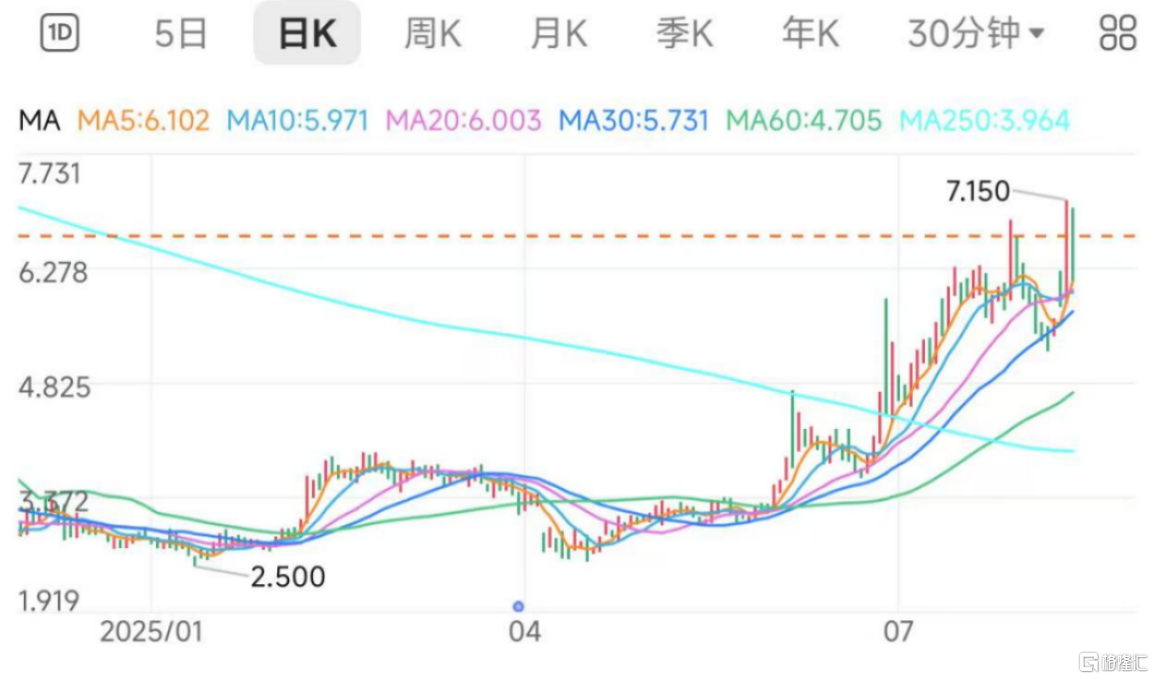
正面盈利预告:华兴资本控股(01911.HK)业绩强劲复苏
Ge Long Hui· 2025-08-12 15:36
Core Viewpoint - Huaxing Capital's recent earnings announcement has significantly boosted investor confidence, with a year-to-date stock increase of nearly 130% and a peak increase of 186%, indicating a clear trend of value recovery and positive future development [1][4]. Group 1: Performance Drivers - Huaxing Capital's performance is supported by four key pillars, demonstrating resilience amid external challenges and internal transformations [5]. - The core management team, led by Xu Yanquing, Wang Lihang, and Du Yongbo, has effectively navigated the company through turbulent times, showcasing strong leadership and strategic direction [5][6]. - Xu Yanquing has leveraged her extensive experience in the financial industry to enhance wealth management services and expand core client resources, successfully attracting family office resources and strategic investors [6][7]. - CEO Wang Lihang has played a crucial role in executing significant transactions, including mergers and acquisitions, with a total transaction scale exceeding 20 billion yuan, while also investing in emerging technologies like AI [7]. - Du Yongbo has delivered strong results in fund management, achieving multiple successful exits for investors in recent years [7]. Group 2: Value Realization - Huaxing Capital has made substantial investments in technology, renewable energy, and healthcare, with successful IPOs of portfolio companies contributing to cash inflows and showcasing the firm's investment acumen [8]. - The company reported a total unrealized equity of 2.1 billion yuan, reflecting its strong investment foundation [8]. Group 3: Operational Efficiency - Huaxing Capital has improved operational efficiency through organizational restructuring and process optimization, reducing redundant investments and significantly lowering operating costs [10]. Group 4: Strategic Positioning in Web 3.0 - The company is strategically positioning itself in the Web 3.0 space, aiming to become a leading comprehensive financial institution amid the evolving financial landscape [11][12]. - Huaxing Capital has made early investments in key players in the cryptocurrency and blockchain sectors, establishing a robust ecosystem in digital asset management [11][12]. - The return of founder Bao Fan is expected to further strengthen the company's strategic vision and market positioning, given his historical influence and experience in the industry [12]. Conclusion - Huaxing Capital's performance surge is attributed to a combination of historical foundations, operational improvements, and forward-looking strategies, positioning the company for significant growth in the Web 3.0 era [13].
JPM or MS: Which Investment Banking Powerhouse is the Better Buy Now?
ZACKS· 2025-08-12 13:56
Core Insights - JPMorgan and Morgan Stanley are leading investment banking firms, with JPMorgan ranking 1 for global IB fees and a significant market share of 8.9% [1][9] - The investment banking sector has a robust long-term outlook, but near-term momentum is uncertain due to macroeconomic factors [2][4] Group 1: JPMorgan's Performance - JPMorgan's total IB fees increased by 36% to $8.91 billion in 2024, recovering from declines in the previous two years [2] - In the first half of 2025, JPMorgan's IB fees rose 10% year-over-year to $4.68 billion, driven by higher advisory fees and underwriting income [3] - The company benefits from heightened market volatility, with trading revenues increasing significantly in 2024 and the first half of 2025 [5] Group 2: Morgan Stanley's Performance - Morgan Stanley's IB revenues surged 36% to $6.71 billion in the previous year, but only increased by 1% this year [7][8] - The firm is optimistic about its IB business performance, supported by a stable M&A pipeline [8] - Morgan Stanley's asset and wealth management operations contributed over 55% to total net revenues in 2024, up from 26% in 2010 [11] Group 3: Financial Comparisons - Year-to-date, JPMorgan shares have gained 20.8%, while Morgan Stanley shares have increased by 14.4% [12] - JPMorgan trades at a lower P/E of 14.52X compared to Morgan Stanley's 15.56X, indicating it is less expensive [15] - JPMorgan's return on equity (ROE) stands at 16.93%, higher than Morgan Stanley's 15.20% [16] Group 4: Revenue and Earnings Estimates - The consensus estimate for JPMorgan's 2025 revenues suggests a slight decline, while a 3.4% growth is expected for 2026 [18] - In contrast, Morgan Stanley's revenue estimates indicate an 8.3% increase for 2025 and a 4.2% increase for 2026 [21] - Earnings estimates for Morgan Stanley show a projected increase of 10.9% for 2025 and 8% for 2026 [21] Group 5: Investment Outlook - JPMorgan's diversified revenue streams and strong IB performance position it favorably compared to Morgan Stanley [22] - The company's projected net interest income for 2025 is approximately $95.5 billion, reflecting a year-over-year increase of over 3% [23] - JPMorgan is rated as a strong buy, while Morgan Stanley holds a hold rating [23]