Oil Refining

Search documents
X @Bloomberg
Bloomberg· 2025-10-08 07:28
Import Strategy - Indian refiners are projected to increase oil imports from Russia in the coming months [1] Geopolitical Factors - Trade talks with Washington are experiencing delays, influencing India's import decisions [1]
X @The Economist
The Economist· 2025-10-07 23:00
Ukraine’s intensified drone attacks on Russia’s energy infrastructure have significantly disrupted oil refining, with up to 40% affected and diesel exports down by 30% https://t.co/tqQlvPrZHj ...
X @Bloomberg
Bloomberg· 2025-10-07 09:00
Market Dynamics - Nayara Energy, an Indian refiner, is expanding efforts to circumvent EU sanctions targeting Russian crude oil flows [1] - The company is restoring sales to distant markets to bypass these restrictions [1] Sanctions Impact - Nayara Energy is a target of EU sanctions aimed at limiting Russian crude oil flows [1]
Neighbors to Chevron El Segundo Refinery Fire File Suit with Potter Handy LLP
Businesswire· 2025-10-06 16:13
Core Points - A recent explosion at Chevron's El Segundo refinery on October 2 resulted in significant air pollution, leading to severe asthma flare-ups among nearby residents [1] - Class action attorneys from Potter Handy LLP have filed a lawsuit on behalf of affected residents, highlighting the immediate health impacts following the incident [1] Company Impact - The explosion released smoke and pollutants into the air, causing physical harm to local residents, particularly those with pre-existing respiratory conditions [1] - Plaintiff Tatian Coleman, a resident of Hawthorne, experienced a severe asthma flare-up as a direct result of the explosion [1] Legal Action - A class action lawsuit has been initiated by Potter Handy attorneys, indicating a collective response from the community against Chevron for the health impacts caused by the refinery explosion [1]

X @Bloomberg
Bloomberg· 2025-10-06 14:52
Aliko Dangote’s oil refinery is too important to fail, Nigeria’s government said, following the company’s dispute with labor unions that threatened to cut crude supply to the plant https://t.co/kadRVaJRxr ...
Ukraine Claims New Strike on Major Russia Oil-Export Refinery
MINT· 2025-10-04 11:33
Group 1 - Ukraine attacked the Kirishi oil refinery, known as Kinef, in Russia's Leningrad region, marking the second strike in a month as part of its strategy to pressure Russian energy facilities [1][3] - Kinef, owned by Surgutneftegas, has an annual processing capacity exceeding 20 million tons and is located approximately 100 kilometers southeast of St. Petersburg [2] - The refinery was previously attacked on September 14, which halted a primary processing unit with a capacity of around 150,000 barrels per day, with repair work expected to take about a month [3] Group 2 - Ukraine has intensified assaults on Russian refineries since August, targeting at least 15 refineries in the European part of Russia, leading to a reduction in Russian refinery runs to below 5 million barrels a day [3] - The attacks have resulted in a fuel crunch in Russia, prompting the government to impose a ban on diesel exports for resellers until the end of the year and extend a full ban on gasoline sales abroad until the end of 2025 [4] - Kinef is a key supplier for both the domestic market and exports, and Russia's ability to divert crude to the global market is diminishing due to these ongoing attacks [4]



Chevron oil refinery fire could raise California pump prices by a dollar, analyst says
Seeking Alpha· 2025-10-03 23:20
Core Insights - California motorists may face an increase of nearly one dollar per gallon for gasoline due to a fire at Chevron's El Segundo refinery near Los Angeles [4] Company Impact - The fire at Chevron's El Segundo refinery is expected to significantly affect gasoline prices in California, potentially leading to a price hike of nearly one dollar per gallon [4] Industry Implications - The incident highlights the vulnerability of refinery operations to disruptions, which can lead to immediate and substantial impacts on fuel prices in the region [4]

Nesbitt: Economy Remains Strong, Bull Case for UNH, LEVI & VLO
Youtube· 2025-10-03 19:50
Market Overview - The S&P 500 has reached its 30th record close, driven by prospects for lower interest rates and a strong second quarter earnings season [1][2] - Initial earnings growth estimates for the quarter were around 5% year-over-year, but actual growth was nearly double that [2] - Tariff fears are subsiding, and the recent passage of a significant bill is expected to positively impact earnings and stock prices [2] Economic Conditions - Concerns remain regarding the government shutdown and its potential impact on the economy, although past shutdowns have not significantly affected equity markets [4][5] - The labor market is showing signs of softening, but it is not viewed as a major concern at this time [5] Company Insights - **Levi Strauss**: The company has been added to a value dividend strategy due to its attractive fundamental valuation. It has successfully navigated tariff challenges by diversifying operations and focusing on product lines [6][7] - **Valero Energy**: As a downstream refinery, Valero is less affected by crude oil prices and has benefited from favorable crack spreads. The closure of a refinery in California due to regulatory costs is expected to improve future earnings [8][9][10] - **United Health**: The stock has shown strong momentum, with a five-day winning streak. Analysts are becoming more optimistic about the company following federal investigations, and its recent confirmation in the CMS star program is expected to positively impact revenues and profits [10][12] Market Sentiment - There is a belief that high valuations do not preclude further market advances, with a focus on earnings being crucial for future performance [13][14] - The third quarter earnings are anticipated to show a year-over-year growth rate of about 7%, which could help maintain market momentum [15] - The market is beginning to see a broadening of leadership beyond the top-performing companies [15][16] Federal Reserve Outlook - The Federal Reserve is not expected to make significant moves in the near term, as the economy remains strong and inflation is relatively tame [17][18] - Companies are starting to lay off employees as a response to tariffs, indicating a shift in labor market dynamics [18]


Chevron Refinery Fire Threatens California's Fragile Fuel Supply
Forbes· 2025-10-03 17:50
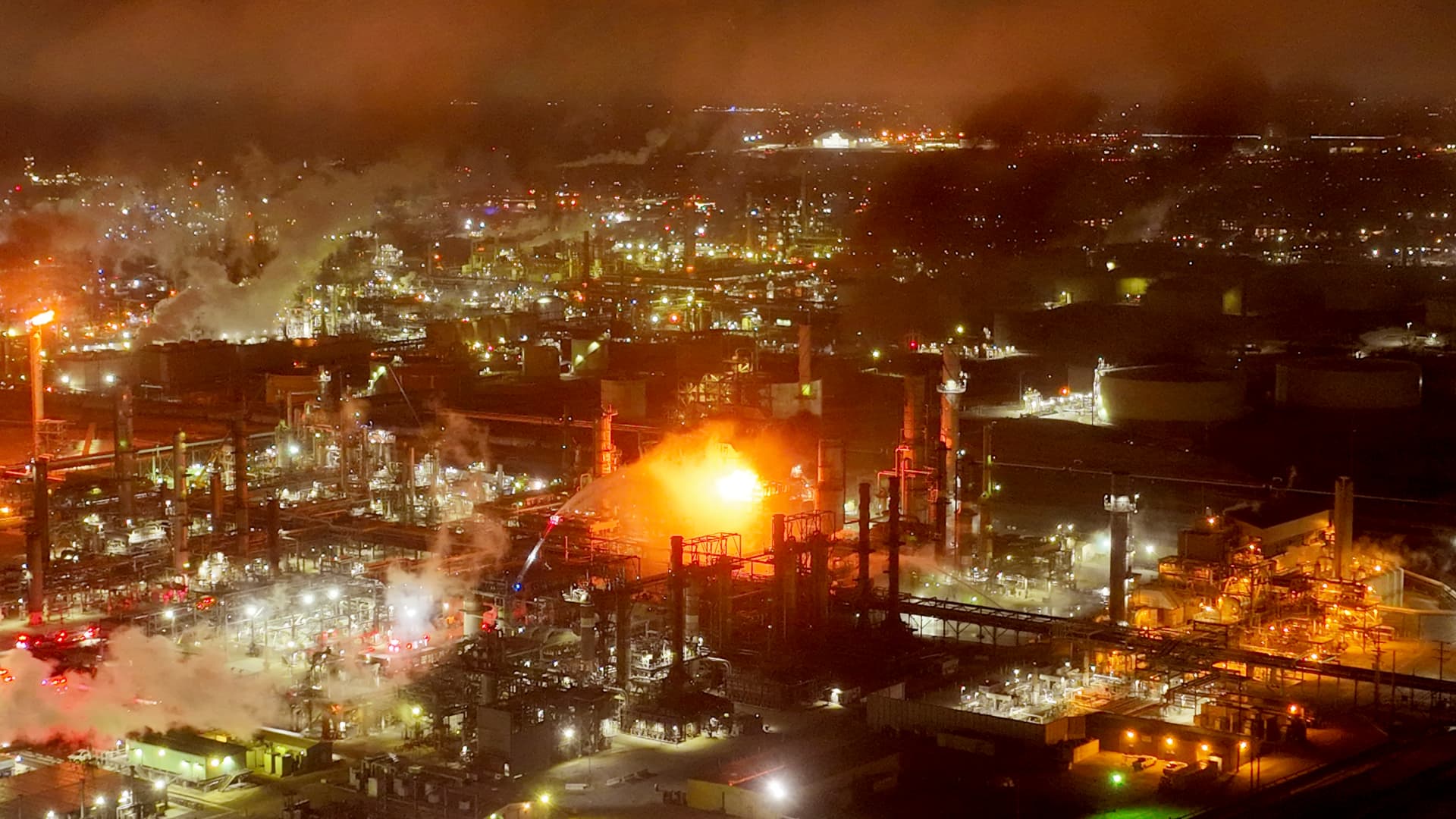
Core Insights - A massive fire broke out at Chevron's El Segundo refinery on October 2, 2025, which is crucial for California's fuel supply, potentially impacting regional gasoline markets [2][3][4] Group 1: Incident Overview - The fire occurred at Chevron's largest West Coast refinery, which processes approximately 290,000 barrels of crude oil per day and supplies about 20% of Southern California's gasoline and over 40% of its jet fuel [3] - The incident was contained without injuries, but its implications for fuel supply are significant due to the refinery's importance [2][5] Group 2: Market Impact - California's gasoline market is particularly vulnerable due to limited pipeline connections and the requirement for a specialized blend of gasoline, making it difficult to substitute supply from other states [4] - Gasoline inventories in California were already about 10% below the five-year average, and seasonal maintenance at refineries further reduces output, leading to tighter supply and higher prices [5][6] - Wholesale gasoline prices in Los Angeles and San Francisco are expected to spike, with retail prices potentially increasing by 10 to 25 cents per gallon in the short term [6] Group 3: Policy Implications - The incident highlights California's vulnerability to fuel price volatility, with limited emergency reserves and potential calls to relax fuel specifications if disruptions persist [7][9] - The fire could exacerbate already high gasoline prices in California, especially as the state approaches the holiday travel season [8][9]
Massive fire breaks out at Chevron oil refinery in California
CNBC· 2025-10-03 08:58
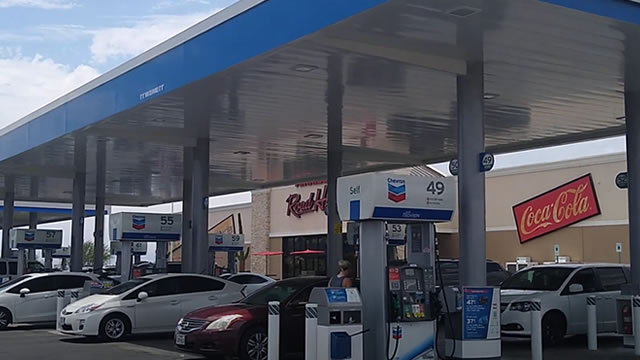
Core Points - A significant fire broke out at Chevron's jet fuel production unit in El Segundo, California, following an explosion [1] - Chevron confirmed that there were no injuries reported and all personnel have been accounted for [2] - Emergency response agencies have not issued evacuation orders for local residents, and monitoring systems detected no exceedances [3]