
戏曲

Search documents
第十一届天桥小年文化庙会收官
Zhong Guo Qing Nian Bao· 2026-02-11 11:00
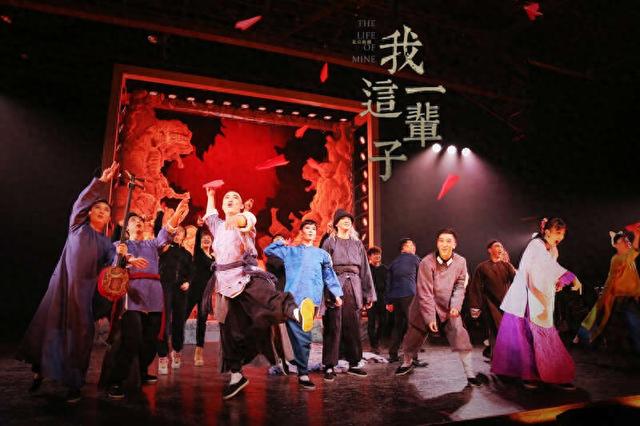
Group 1 - The 11th Tianqiao Cultural Temple Fair and Lao She Beijing Culture Festival concluded on February 10, 2026, with the theme "The Charm of Drama and New Year Celebration," featuring diverse activities such as folk experiences, cultural lectures, and opera performances over 8 days [1] - The event included a non-heritage folk fair segment organized by the Beijing Quju Troupe, showcasing traditional handicrafts and cultural items, allowing audiences to enjoy local opera while experiencing the charm of intangible cultural heritage [1] - Three cultural lectures were held during the fair, focusing on specific aspects of Beijing culture, including a lecture on the art of face painting and its cultural significance, traditional paper-cutting art, and the history of the Beijing Quju Troupe [1] Group 2 - The event featured 12 opera performances by three professional troupes: Beijing Quju Troupe, China Pingju Theatre, and Beijing Hebei Bangzi Troupe, showcasing a variety of traditional operas [4] - The performances included works that reflect the literary themes of Lao She, with Beijing Quju plays narrating stories of national sentiment and urban life, while the Hebei Bangzi performances highlighted the vigorous and bold characteristics of the art form [4] - The event was supported by the Beijing Cultural and Art Fund, indicating institutional backing for the promotion of traditional arts [4]

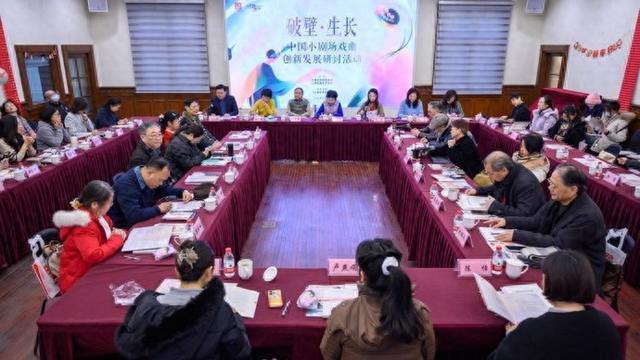
破壁生长,许中国小剧场戏曲下一个十年的美好未来
Xin Lang Cai Jing· 2026-02-10 11:49
Core Insights - The event marks the beginning of a new decade for Chinese small theater opera, focusing on aesthetic exploration, cultural ecology, and innovative paths for the transformation and upgrading of opera art in the new era [3] Group 1: Event Overview - The 2025 China Small Theater Opera Exhibition and Seminar was held in Shanghai, co-hosted by various cultural organizations [3] - The exhibition featured high-quality performances from 19 provinces and regions, with a total box office exceeding 380,000 yuan and an average attendance rate of 84.66% [5] Group 2: Expert Opinions - Expert Cui Wei emphasized the need for small theater opera to break down barriers in audience engagement and artistic expression, advocating for a balance between artistic integrity and market viability [7][8] - Mao Shi'an analyzed the historical development and aesthetic characteristics of small theater opera, highlighting its evolution since 2000 and the necessity for rich content and innovative narrative structures [10] - Chen Dong identified three advantages of small theater opera: adaptability of themes, ease of adjustment, and cost-effectiveness, while stressing the importance of preserving traditional art forms [12] - Zhong Chengxiang underscored the importance of talent in the development of small theater opera, advocating for a balance between innovation and adherence to traditional cultural values [14]
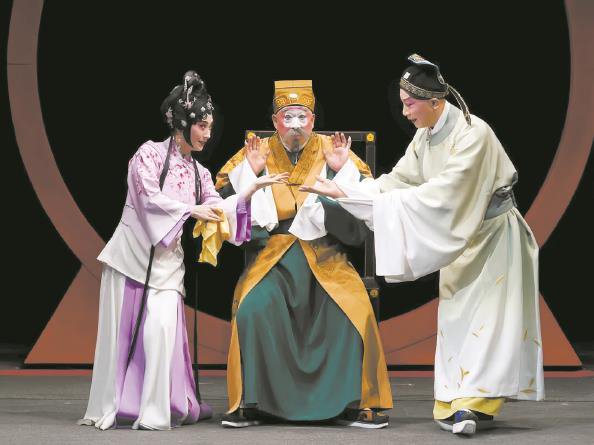
京剧里的“吝啬鬼”
Xin Lang Cai Jing· 2026-02-08 07:09
Core Perspective - The article discusses the contemporary adaptation of Molière's "The Miser" into a Chinese opera, highlighting its exploration of themes such as loneliness and obsession through humor and satire [2][4]. Summary by Sections Adaptation and Themes - The adaptation transforms Molière's character, Harpagon, into a Chinese figure, "Gong Laoye," maintaining the original story's essence while infusing it with modern themes of human loneliness and obsession [2][3]. - The performance uses humor to present a contemporary narrative, allowing the audience to engage with deeper emotional layers beneath the comedic surface [2][4]. Characterization and Performance - The character "Gong Laoye" is portrayed in a way that emphasizes his comedic yet tragic nature, showcasing his obsession with money and the absurdity of his actions [3]. - The use of a "money person" in the performance adds a layer of absurdity and emotional depth, illustrating the character's dependency on wealth as a substitute for genuine human connection [3][4]. Cultural Interpretation - The adaptation reflects a nuanced understanding of human emotions, moving beyond mere satire to evoke empathy for the character's plight in a modern context [4]. - The performance highlights the importance of cultural translation, emphasizing that successful adaptations capture universal human experiences while employing unique artistic expressions [4].
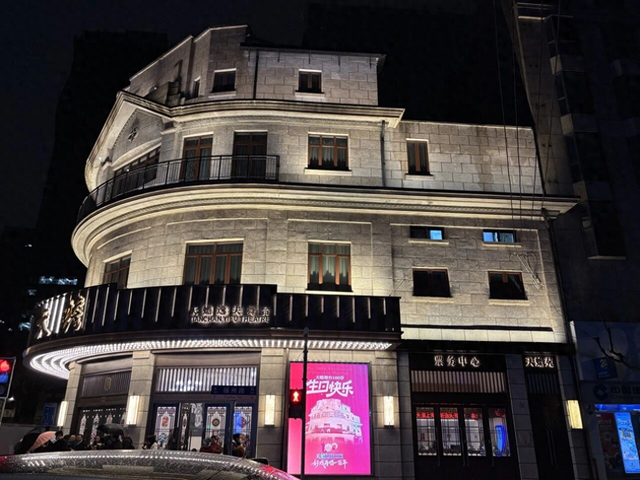
“好戏再唱一百年”!上海天蟾舞台迎来百岁生日
Xin Lang Cai Jing· 2026-02-08 04:03
Core Viewpoint - The Shanghai Tianchan Yifu Stage celebrated its 100th anniversary at its current location on February 6, 2026, marking a significant milestone in the promotion of traditional Chinese opera and cultural heritage [1][5][3]. Group 1: Event Highlights - The anniversary event featured a special performance by the Shanghai Jingju Theatre, showcasing a unique and joyful atmosphere with a sold-out audience [2][9]. - The event kicked off the "Centenary Tianchan" series of performances, with the slogan "Good Plays for Another Hundred Years" announced by the theater's general manager, Pan Yiwen [5][7]. Group 2: Historical Significance - The Tianchan Stage, originally opened as the "Daxin Stage" in 1926, has become a cultural landmark in Shanghai, known for its dedication to traditional opera [5][7]. - The theater has maintained its focus on opera performances for a century, making it a unique institution in the country [5][7]. Group 3: Upcoming Activities - Starting from February 6, 2026, the theater will launch a year-long series of activities focusing on four main areas: performance, service, environment, and internal control [7][9]. - The performance segment will include a variety of local and national opera genres, with participation from renowned troupes across China, creating a grand celebration of opera [7][9]. Group 4: Special Performances - The anniversary performance included a unique "cross-dressing" format, where actors performed roles outside their usual characters, adding a humorous and engaging element to the show [10][12]. - The performances featured a mix of traditional and innovative elements, showcasing the talents of various actors and the depth of Chinese opera [12][23].
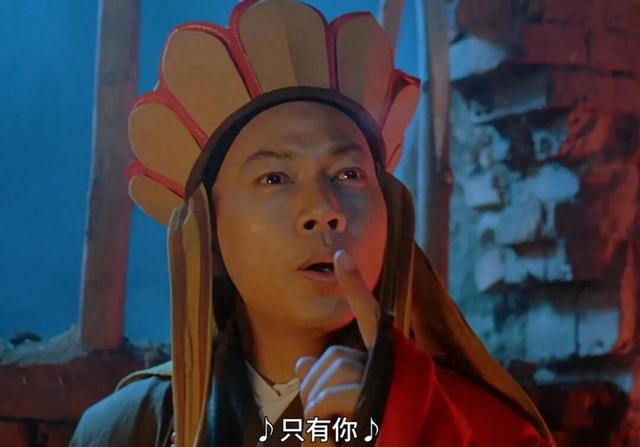
粤剧——让《大话西游》里的“唐僧”罗家英一生倾注心血、念念不忘
Xin Lang Cai Jing· 2026-02-06 14:48
Core Viewpoint - The article highlights the enduring passion and contributions of 79-year-old actor Lo Ka-ying to Cantonese opera, despite the challenges faced by the industry and his personal health struggles [4][10]. Group 1: Career and Contributions - Lo Ka-ying began his Cantonese opera career at the age of six, undergoing rigorous training and eventually taking on various roles in his father's theater troupe [4]. - He has been involved in the creation and adaptation of new works, such as the Cantonese opera "Cyrano de Bergerac," which he adapted over ten years, showcasing his commitment to the art form [6][12]. - Lo Ka-ying's notable film milestones include winning awards for "Women Forty" and gaining popularity for his roles in "A Chinese Odyssey" and "The Chinese Odyssey 2002" [8][10]. Group 2: Health and Personal Insights - Lo Ka-ying has faced multiple health challenges, including liver cancer and prostate cancer, which have shaped his perspective on life [10][12]. - He describes his health status as "three parts bad, seven parts good," reflecting a positive outlook despite his medical history [10]. - His experience has led him to focus on teaching younger generations, emphasizing the importance of dedication to the craft without financial motivation [12].
一堂昆曲课
Xin Lang Cai Jing· 2026-02-06 06:35
Group 1 - The article highlights the successful integration of traditional Chinese opera with modern aesthetics, particularly through the efforts of figures like Bai Xianyong and Zhang Jun, which has attracted a younger audience [1][2] - Zhang Jun, as the principal of the Shanghai Theatre Academy's affiliated opera school, plays a crucial role in nurturing new talent and revitalizing traditional opera forms [1] - The immersive and interactive approach taken during the "From Kunqu to Peking Opera" event demonstrates a shift towards engaging younger audiences, making traditional art forms more accessible and enjoyable [1][2] Group 2 - The ongoing popularity of traditional opera, such as the youth-driven trend in Yue Opera led by Chen Lijun and Li Yunxiao, indicates that classic art forms can evolve while retaining their core essence [2] - The article emphasizes that traditional opera is not outdated; rather, it can resonate with modern sensibilities when presented in innovative ways [2][3] - The connection between traditional opera and contemporary audiences is closer than perceived, as both share a fundamental pursuit of beauty and emotional resonance [3]
首部改编莎翁名著的蒲剧,如何完成跨文化转译的挑战?
Xin Lang Cai Jing· 2026-02-06 00:22
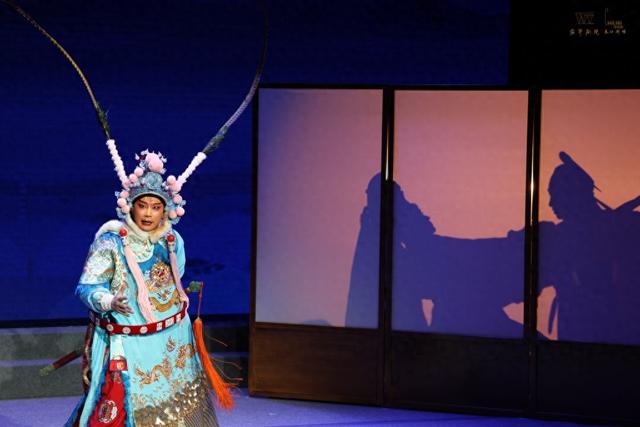
Core Perspective - The adaptation of Shakespeare's "Othello" into the Shanxi Peking Opera "Othello: Doubt" showcases a successful cultural fusion, highlighting themes of love, jealousy, and trust within a unique performance context [1][3]. Adaptation and Cultural Translation - The adaptation process involved significant challenges in translating the text's logic to fit within the Chinese opera framework, ensuring the story remains relatable while preserving the essence of the original work [3]. - The narrative is set in the chaotic era of the Sixteen Kingdoms, transforming characters to fit the local context, such as Othello becoming a Hu general named Luosai, and Desdemona being reimagined as Bai Wuxia, the daughter of a Han minister [3][4]. Artistic Expression and Performance - The performance effectively utilizes the talents of young artists, blending singing and martial arts to convey the emotional depth of the characters, particularly Luosai's heroic yet vulnerable nature [4]. - The production breaks traditional norms by maintaining the tragic ending of "Luosai killing his wife," reflecting the core tragedy of Shakespeare's original work and demonstrating respect for the source material [10][11]. Symbolism and Themes - The central theme of "doubt" is explored deeply, representing universal human emotions and conflicts that transcend time and cultural boundaries [6][7]. - Visual elements, such as the use of a screen to depict internal conflict and the interplay of light and shadow, enhance the representation of psychological struggles, making the abstract emotions tangible for the audience [6][7]. Artistic Characteristics and Compatibility - The inherent qualities of Peking Opera, characterized by its vigorous and dramatic style, align well with the tragic elements of Shakespeare's narrative, allowing for a powerful expression of emotions such as jealousy and despair [9][13]. - The production exemplifies a modern transformation of traditional opera, showcasing the potential for cross-cultural dialogue and innovation within the performing arts [10][13].
广西人大代表伍思亭:以微短剧之“新”促非遗“破圈”
Zhong Guo Xin Wen Wang· 2026-02-03 08:52
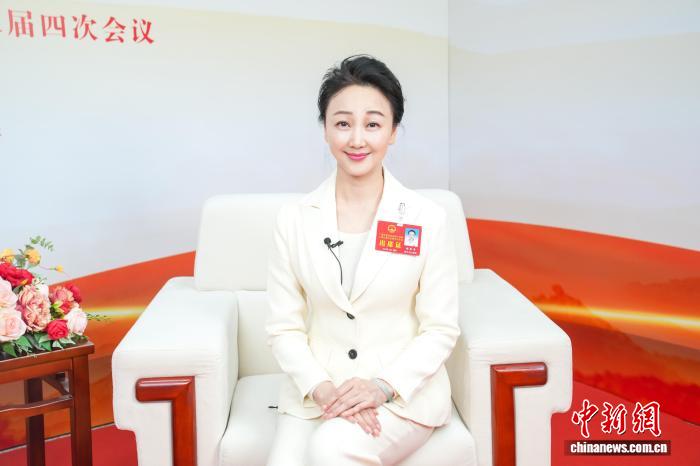
Core Viewpoint - The rise of short videos and micro-dramas presents an opportunity to promote traditional performing arts and intangible cultural heritage, addressing challenges such as aging audiences and fragmented dissemination [3][4]. Group 1: Challenges in Traditional Performing Arts - Traditional opera faces issues of audience aging, fragmented communication, and limited performance settings [3]. - The government report emphasizes the integration of emerging cultural industries like micro-dramas with tourism [3]. Group 2: Opportunities through Micro-Dramas - Micro-dramas can effectively connect with the fragmented consumption habits of younger audiences, offering a "short and quick" format to overcome the "long and slow" nature of traditional opera [3][4]. - The fusion of opera and micro-dramas can create micro-theater experiences that preserve authentic singing styles while allowing audiences to quickly appreciate the charm of traditional arts [4]. Group 3: Technological Empowerment - Utilizing technologies like VR and interactive storytelling can transform audiences from passive viewers to active participants, enhancing the appeal of intangible cultural heritage [4]. - Successful micro-dramas can be converted into cultural tourism IPs, promoting both heritage and local tourism [4]. Group 4: Balancing Tradition and Innovation - The "Three No Principles" have been established to maintain the integrity of traditional opera while innovating its presentation: no alteration of core techniques, no distortion of cultural values, and no catering to vulgar tastes [5]. - Collaboration with platforms like Douyin and Bilibili will ensure that content remains youthful yet tasteful [5].
情不知所起,一往而深
Xin Lang Cai Jing· 2026-02-01 06:56
Core Insights - The article highlights the significant contributions of three prominent Kunqu artists: Cai Zhengren, Yue Meiti, and Zhang Xunpeng, who have deep connections to the classic play "The Legend of the White Snake" [1][2][3] Group 1: Historical Context - The first Kunqu training class, known as "Kun Da Ban," was established in March 1954 with 60 students, marking a pivotal moment in the history of Kunqu [1] - The initial performance of "The Legend of the White Snake" by the students was a memorable event, showcasing their early experiences and challenges in mastering the art [1][2] Group 2: Individual Contributions - Cai Zhengren emerged as a notable performer, initially playing various roles before becoming the standout "Xu Xian" in "The Legend of the White Snake," despite facing vocal challenges during performances [1][2] - Yue Meiti, recognized for her exceptional talent, played the role of "Xu Xian" in the graduation performance of "The Legend of the White Snake," showcasing her ability to embody the character's depth and emotion [2][3] - Zhang Xunpeng, trained under renowned artists, contributed to the revival of Kunqu by blending traditional elements with innovative interpretations, particularly in her performances of "The Legend of the White Snake" [3][4] Group 3: Artistic Legacy - The article emphasizes the enduring impact of these artists on the preservation and evolution of Kunqu, as they continue to inspire new generations of performers [9][10] - The legacy of the Kunqu artists is reflected in the emergence of a new wave of talent, ensuring the art form's vitality and relevance in contemporary culture [10]
《红楼之凤》:九旬剧作家徐棻的“川剧绝唱”
Xin Lang Cai Jing· 2026-01-31 05:01
Core Viewpoint - The article highlights the return of renowned playwright Xu Zhen with her final work "The Phoenix of the Red Chamber," showcasing her significant contributions to Sichuan opera and her deep connection to the classic "Dream of the Red Chamber" [1][2]. Group 1: Xu Zhen's Contributions - Xu Zhen, born in 1933, is the first female playwright in the history of Sichuan opera and has dedicated over 60 years to its creation since joining Chengdu Sichuan Opera Theatre in 1961 [1]. - Her works have contributed to the success of 12 winners of the "Meihua Award," and she received the "Lifetime Achievement Award (Drama)" from the China Federation of Literary and Art Circles in 2023 [1]. Group 2: "The Phoenix of the Red Chamber" - "The Phoenix of the Red Chamber" is Xu Zhen's third adaptation related to "Dream of the Red Chamber," following her earlier works "Wang Xifeng" in 1963 and "Red Chamber Dream" in 1987 [1]. - The new play features a more refined structure and tighter narrative, introducing a new observer character, the "Lame Man of the Red Chamber," who provides philosophical insights on human experiences [2]. - The title "The Phoenix of the Red Chamber" cleverly references both the strong character Wang Xifeng and the fate-influencing character Yuan Chun, enriching the thematic depth of the play [2]. Group 3: Production Insights - Xu Zhen invested significant effort in the production process, overseeing script interpretation, overall style, stage design, and music, ensuring meticulous attention to detail despite her physical limitations [2]. - She actively participated in rehearsals and provided clear feedback on various aspects of the production, demonstrating her commitment and clarity of thought [2]. Group 4: Legacy and Challenges - After the premiere on January 30, Xu Zhen expressed gratitude to the audience, acknowledging this as her final work while also sharing her regrets about unaddressed themes she wished to explore [5]. - She highlighted the ongoing challenge of a lack of new playwrights in Sichuan opera, attributing it to a historical focus on external talent rather than nurturing local creators [5].
