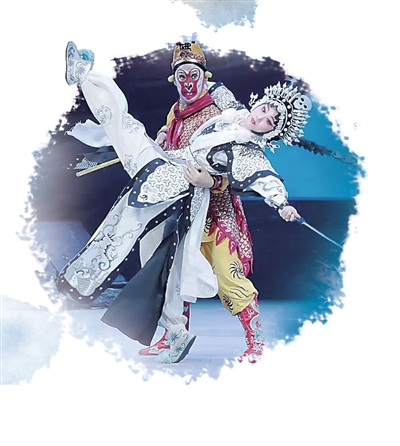
戏曲传承与创新

Search documents
中国戏剧梅花奖得主张建敏:青春戏曲不在年龄在朝气
Zhong Guo Xin Wen Wang· 2026-02-20 03:14
Core Viewpoint - The article discusses the revitalization of traditional Chinese opera, particularly the Wuju opera, through the lens of youthfulness and innovation, emphasizing that "youth" is a state of mind rather than merely an age label [3][4]. Group 1: Cultural Events and Engagement - Since the launch of the "Zheli Youxi" cultural event in 2026, 11 major opera tours and over 200 high-quality performances have taken place across Zhejiang province, extending to remote islands and mountainous towns, making opera a new cultural consumption hotspot during the Spring Festival [1][2]. - The ongoing discussions about how to make traditional opera more appealing to younger audiences reflect a broader cultural engagement strategy [2]. Group 2: Artistic Innovation and Tradition - Zhang Jianmin, a prominent figure in the Wuju opera, believes that true "youth" in art comes from the vitality and relevance of the work itself, as seen in the innovative reinterpretation of classic plays like "The Legend of the White Snake" [3][4]. - The integration of traditional opera techniques with modern stage aesthetics has led to a resurgence in popularity, with productions like "Three Battles Against the White Bone Spirit" achieving significant market success [6]. Group 3: Talent Development and Education - Zhang emphasizes the importance of rigorous training and comprehensive artistic education for young opera talents, advocating for a blend of traditional skills and modern interpretative abilities [5][6]. - The transition from performing to teaching has allowed Zhang to contribute to the systematic cultivation of future Wuju opera talents, highlighting the pride in witnessing students grow into performers [5][7]. Group 4: Community and Cultural Impact - The article illustrates how opera has become deeply integrated into community life, with performances attracting diverse audiences, from young children to elderly individuals, showcasing the art form's broad appeal [7]. - Zhang believes that the values and spirit conveyed through opera characters have a profound impact on both performers and audiences, reinforcing the cultural significance of the art form [7].

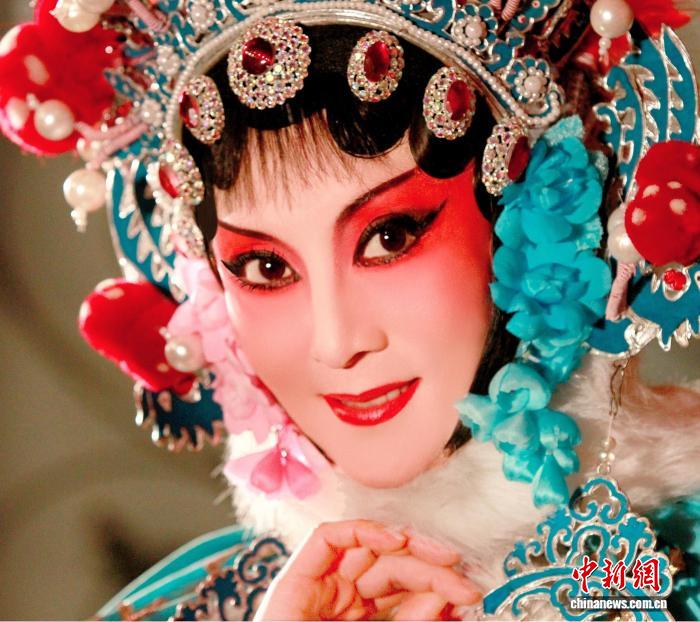
(新春走基层)中国戏剧梅花奖得主张建敏:青春戏曲不在年龄在朝气
Xin Lang Cai Jing· 2026-02-20 03:08
Core Viewpoint - The article discusses the revitalization of traditional Chinese opera, particularly through the lens of Zhang Jianmin, a prominent figure in the field, emphasizing that "youth" in opera is more about vitality and innovation than age [3][6]. Group 1: Youthful Transformation of Traditional Opera - The "Zhejiang has Drama" cultural initiative has led to 11 major opera tours and over 200 performances across Zhejiang, making opera a new cultural consumption hotspot during the Spring Festival [1][3]. - Zhang Jianmin believes that true "youth" in opera comes from the work itself being vibrant and relevant, rather than merely the age of the performers [3][4]. - The success of traditional operas like "The Legend of the White Snake" and "Mu Guiying" showcases the enduring appeal of these classic narratives, which have been rejuvenated for modern audiences [4][6]. Group 2: Education and Talent Development - Zhang Jianmin transitioned from performing to teaching, focusing on nurturing the next generation of opera talent, emphasizing the importance of rigorous practice and comprehensive artistic education [6][9]. - She highlights the necessity for young actors to develop a deep understanding of theory, scripts, and character creation, evolving into "comprehensive talents" [6][8]. - Recent productions from the Zhejiang Wuju Art Research Institute, such as "The Three Strikes of the White Bone Spirit," have gained significant popularity, indicating a resurgence in the market vitality of traditional opera [6][8]. Group 3: Innovation and Tradition - Zhang Jianmin attributes the current popularity of Wuju to a combination of strong grassroots support, government attention, and innovative leadership within theater companies [7][8]. - She advocates for blending traditional opera techniques with modern stage aesthetics, likening it to transforming a "black and white photo" into a "color photo," while still retaining the essence of opera [7][8]. - The evolution of vocal techniques in Wuju, from separating false and true tones to integrating them for character-specific sound, illustrates the balance between innovation and tradition [8][9].
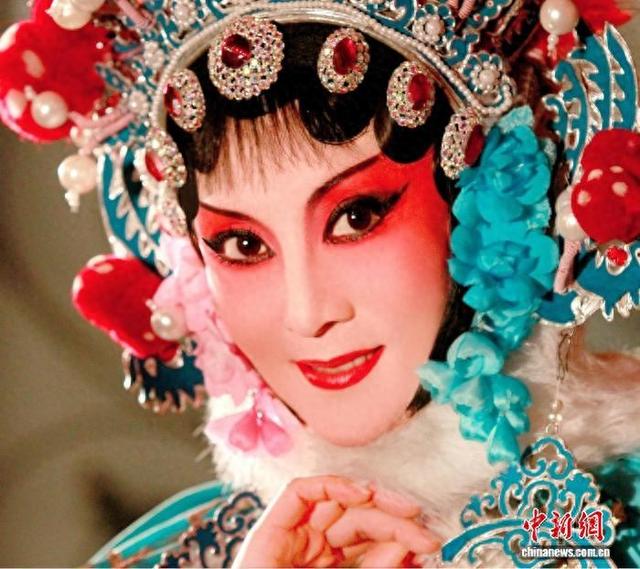
影像河北丨百戏入冀聚群英 百梅争春绽芳华
Xin Lang Cai Jing· 2026-02-20 03:07
Core Viewpoint - The 2026 Spring Festival Opera Gala, titled "Chinese Opera Has Good Plays," received high praise from audiences, showcasing a rich variety of traditional Chinese opera genres and innovative performances [11]. Group 1: Event Overview - The gala featured 38 different opera genres, with 109 renowned performers, including famous artists like Shen Tiemei, Feng Yuping, Han Zaifen, Yu Kuaizhi, and Li Shengsu [11]. - The event was broadcasted on February 17, coinciding with the Lunar New Year, and was well-received by opera enthusiasts [11]. Group 2: Performance Highlights - Shen Tiemei's Sichuan opera segment "He Liang Xiao" delivered a celebratory New Year message with its vibrant melodies [11]. - Han Zaifen's Huangmei opera performance of "Nv Fu Ma" showcased graceful movements and deep character portrayal [11]. - The collaboration of Yu Kuaizhi and Li Shengsu in the Peking opera piece "Long Feng Cheng Xiang" expressed a vision of family harmony and prosperity [11]. Group 3: Innovation and Integration - The gala embraced the "Opera +" concept, innovating traditional performances with modern elements, such as the original martial arts opera "Wu Jia Po 2026," which aligns with contemporary aesthetics [12]. - The integration of various opera styles in skits like "Hao Shi Cheng Shuang" and "Wu Fu Lin Men" highlighted the charm of traditional opera in a modern context [12]. Group 4: Cultural Transmission - The event showcased the vitality of cultural heritage, with performances by young students from various universities, bringing a fresh perspective to classic works [12]. - The gala concluded with an original Hebei opera song "Bai Mei Zheng Chun," symbolizing reunion and prosperity for the New Year [12].
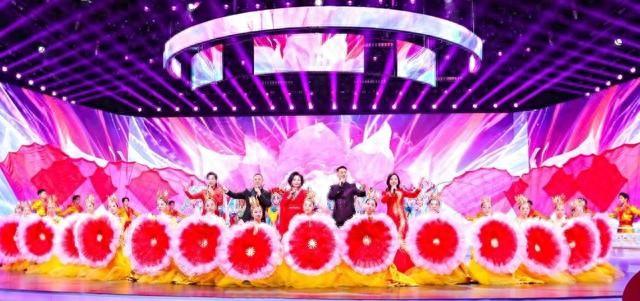
百戏入冀 百梅争春 中华有好戏:南北声腔共芳华
Xin Lang Cai Jing· 2026-02-16 14:09
Core Viewpoint - "中华有好戏" is a cultural program launched by Hebei Radio and Television Station, set to promote traditional Chinese opera through a series of special events leading up to the 2026 Spring Festival, aiming to engage younger audiences and preserve cultural heritage [1][7]. Group 1: Program Highlights - The 2026 Spring Festival opera gala will feature 109 performers, including five winners of the Plum Blossom Award, showcasing a diverse range of opera styles from both northern and southern China [2][3]. - The program aims to blend traditional opera with modern elements, attracting younger audiences by incorporating popular music and innovative performances [5][6]. - The total viewership for the special programs around the Dragon Boat Festival, Qixi Festival, and Mid-Autumn Festival exceeded 2 billion, with 200 topics trending on national and local hot search lists [5]. Group 2: Artistic Contributions - The gala will include performances from various regional opera styles, such as Jingju, Pingju, and Yueju, alongside lesser-known forms like Fujian Min Opera and Guangxi Gui Opera, enhancing cultural diversity [3]. - The program emphasizes the importance of youth involvement, with young performers and students being given special opportunities to showcase their talents [6]. - The creative direction of the program includes a "4+1" broadcasting model, focusing on a traditional festival each quarter, culminating in a grand Spring Festival gala [6][7].
古韵稀声嘉年华 全国86个稀有剧种汇聚“天鹅之城”
Zhong Guo Xin Wen Wang· 2026-02-12 13:51
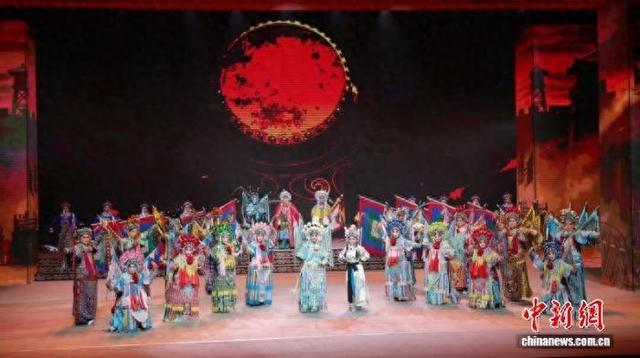
Core Viewpoint - The event "Ancient Rhythms and Rare Sounds: The 2026 National Rare Drama Spring Carnival" showcases 86 rare drama genres from 20 provinces in China, emphasizing the cultural heritage and innovative vitality of traditional Chinese opera [1][3]. Group 1: Event Overview - The carnival is co-hosted by the China Dramatists Association, China Academy of Chinese Opera, Henan Provincial Federation of Literary and Art Circles, and the Sanmenxia Municipal Government [1][3]. - The event features performances that blend traditional and modern elements, highlighting the successful paths of preserving tradition while innovating [3][4]. Group 2: Performance Highlights - Notable performances include Zhejiang Wuju's "Three Strikes on the White Bone Spirit" and the cross-genre fusion represented by the traditional folk song "Wujia Po" [3]. - The event showcases various regional styles, such as the Henan "Spray Air" and Jilin Manchu New Town Opera, demonstrating the diversity of cultural expressions in Chinese opera [3][4]. Group 3: Cultural Significance - The event emphasizes the "cultural gene" value of rare drama genres, with calls for integrating these performances into the hearts of the people [4]. - The carnival serves as a platform for renowned artists and intangible cultural heritage representatives to engage in mutual exchange and showcase their commitment to preserving and innovating traditional arts [3][4].
悦耳入心 韵味悠长
Xin Lang Cai Jing· 2026-01-03 19:18
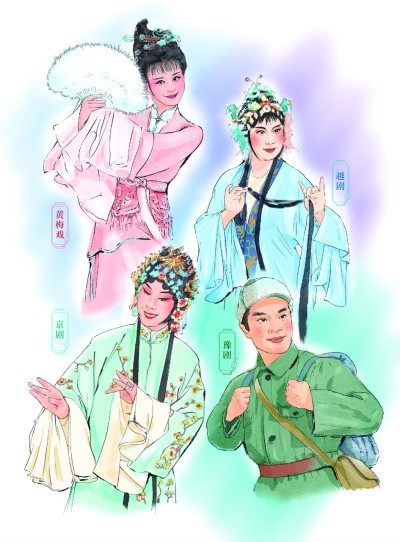
Core Viewpoint - The article highlights the importance of human talent in the flourishing development of traditional Chinese opera, showcasing how contemporary artists are innovating while preserving the art form's rich heritage [1]. Group 1: Peking Opera - Shi Yihong, a first-class actress from the Shanghai Peking Opera, has successfully transitioned from a martial arts role to a singing role, performing in multiple classic roles and emphasizing the need for innovation in Peking Opera [3][4]. - Shi's rigorous training under her mentor, Lu Wenqin, for over ten years has shaped her artistic capabilities, allowing her to revive classic performances like "The Tiger's Claw," which had not been staged in Shanghai for over 60 years [6][8]. - Shi's approach to cross-genre performances, such as her interpretation of Cheng Pai's "Locking the Silk Bag," reflects her understanding that learning from different styles is about embodying their spirit rather than mere imitation [7]. Group 2: Yue Opera - Zhu Xiaozhao, a first-class actress from the Nanjing Yue Opera Troupe, emphasizes the emotional depth and intricate performance required in Yue Opera, which combines singing and acting to convey characters' inner feelings [9][11]. - Zhu has initiated the "Yue Rhythm Ancient Poetry" project, blending classic poetry with Yue Opera styles to engage younger audiences, achieving notable success in schools [11][12]. - The project has resulted in the creation of a book and audio recordings that showcase the integration of various Yue Opera styles with classical poetry, aiming to make the art form more accessible to the youth [12]. Group 3: Yu Opera - Jia Wenlong, a former vice president of the Henan Yu Opera Theatre, focuses on modernizing Yu Opera by incorporating contemporary narratives while maintaining traditional elements [13][14]. - His portrayal of the character Jiao Yulu involved extensive research and community engagement, leading to a performance that resonated deeply with local audiences [14][16]. - Jia's innovative techniques in modern plays, such as integrating fast-paced storytelling with traditional forms, aim to keep Yu Opera relevant and engaging for future generations [16][17]. Group 4: Huangmei Opera - Yuan Yuan, a first-class actress from the Anhui Huangmei Opera Theatre, dedicates herself to refining her craft, particularly in the classic "The Butterfly Lovers," ensuring that her performances resonate with contemporary audiences [18][20]. - Yuan's approach to character development involves infusing traditional roles with modern sensibilities, making them relatable to today's viewers [20][21]. - Her commitment to both preserving and innovating within Huangmei Opera has earned her prestigious awards, reflecting her dedication to the art form [21][22].
(寻味中华|艺林)一曲唱出“二里地” 山东柳子戏腔韵不绝
Xin Lang Cai Jing· 2026-01-01 02:18
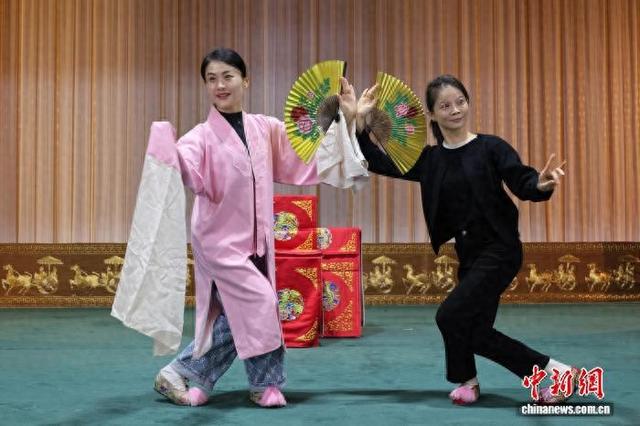
Core Viewpoint - The article highlights the enduring cultural significance and unique characteristics of Liuzi Opera, a traditional Chinese theatrical form that has been performed for over 600 years in Shandong, emphasizing its melodic richness and adaptability to modern audiences [1][3]. Group 1: Historical and Cultural Significance - Liuzi Opera, originating from folk songs during the Yuan and Ming dynasties, is known for its distinctive "Liuzi tune" and has been a staple in Chinese opera alongside other ancient forms [1][3]. - The art form is characterized by its intricate vocal techniques, including the use of "kekek" embellishments, which enhance the emotional delivery of the performances [3][4]. Group 2: Performance and Artistic Expression - The opera features a diverse repertoire with over 600 existing pieces, showcasing a blend of southern and northern styles, which contributes to its rich narrative and emotional depth [3][4]. - Young performers like Yin Chunyan are breaking traditional boundaries by mastering multiple roles across different character types, demonstrating the flexibility and depth of the art form [4][7]. Group 3: Modern Adaptations and Audience Engagement - Recent efforts by the Shandong Liuzi Opera Troupe include innovative productions that combine traditional opera with contemporary themes, such as the children's play "Three Monks" and adaptations of Western classics [4][7]. - The integration of social media and live streaming has allowed younger audiences to engage with Liuzi Opera, fostering a new generation of fans and performers [7][8].
一台戏,“暖”了寒冬(神州看点·古调新声)
Ren Min Ri Bao· 2025-12-17 22:11
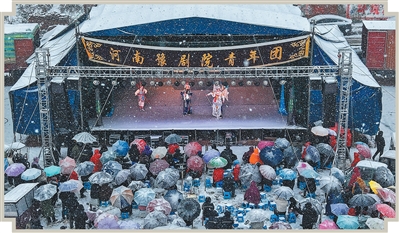
Core Viewpoint - The article emphasizes the importance of traditional Chinese opera, particularly Henan Yu Opera, in engaging the younger generation and ensuring the creative transformation and innovative development of Chinese culture in the context of the "14th Five-Year Plan" [1] Group 1: Audience Engagement - Despite harsh weather conditions, audiences are dedicated to attending performances, demonstrating a strong connection between viewers and performers [2] - The interaction between audiences and actors is highlighted, with audiences expressing their commitment to the art form [2][3] - The online presence of performances has garnered significant attention, showcasing the respect for traditional art forms [2] Group 2: Cultural Adaptation and Popularity - Henan Yu Opera has gained popularity beyond its home region, with performances attracting large audiences in various provinces [4] - The adaptability of Yu Opera's themes and performances allows it to resonate with diverse cultural backgrounds [4] - The presence of numerous state-owned and private Yu Opera troupes contributes to the preservation and innovation of the art form [4] Group 3: Innovative Performance Formats - New performance formats, such as immersive experiences, are being developed to attract younger audiences [6] - The collaboration between individual artists and traditional troupes is seen as a new approach to enhance audience engagement and reduce costs [6] - The creative exploration of historical narratives in modern contexts is aimed at resonating with contemporary audiences [7] Group 4: Future Development Initiatives - The government is planning to introduce regulations to protect and promote the development of Yu Opera [7] - Initiatives like "Opera in Schools" and "Stage Arts to the Grassroots" are being implemented to foster innovation within the art form [7]
八桂梨园绽新蕊
Guang Xi Ri Bao· 2025-12-06 03:03
Core Viewpoint - The revival and promotion of Guangxi opera, particularly through the performance of the classic "Liu Sanjie," showcases the integration of traditional art into modern life, attracting a younger audience and enhancing cultural heritage [1][2]. Group 1: Performance and Cultural Events - The Guangxi opera "Liu Sanjie" was featured as one of the five major quality performances at the 9th China Opera Culture Week, highlighting its significance in the national cultural landscape [1]. - The Guangxi Drama Theatre has successfully completed several revival productions during the 14th Five-Year Plan period, including notable works like "Baise Uprising" and "Yao Mountain Spring," with "Liu Sanjie" being a standout success [1][2]. - The establishment of an open-air theater on Jianzheng Road in Nanning allows traditional opera to engage with the community, making it accessible to the public and fostering a new appreciation for the art form [1][2]. Group 2: Training and Development - The Guangxi Opera Master Studio was established to cultivate innovative talent in opera, focusing on nurturing new performers and enhancing the quality of opera creation and performance [2]. - The first National Opera Newcomer and New Work Exhibition held in Nanning emphasized the importance of promoting new talent and works, contributing to the creative transformation and innovative development of opera in the modern era [2]. Group 3: Achievements and Recognition - Guangxi opera has received numerous accolades, including the 17th Wenhua Award for the play "New Liu Sanjie" and various awards for "Baise Uprising" and "Sun Wukong's Three Borrowings of the Banana Fan," reflecting the strength and depth of local opera [2]. - The ongoing efforts to blend classic elements with contemporary themes have resulted in a vibrant cultural scene, with young performers gaining recognition and applause from audiences and industry veterans alike [2]. Group 4: Future Outlook - Guangxi opera aims to continue its journey by embracing its cultural roots and expanding its reach, ensuring that the sounds of Guangxi opera resonate widely and contribute to the celebration of traditional Chinese culture [3].
一部戏和它彰显的戏曲精气神
Ren Min Ri Bao· 2025-10-20 22:42
Core Viewpoint - The Wuju opera "Three Strikes on the White Bone Spirit" has gained significant popularity since its premiere in 2023, performing over 120 shows in 25 countries, showcasing the vitality of traditional Chinese opera and its potential for modern transformation [2][5]. Group 1: Artistic Innovation - The production emphasizes the narrative potential and emotional expression of traditional techniques, achieving a high degree of unity among technique, plot, and emotion [3]. - The character portrayals break away from traditional stereotypes, allowing for a more nuanced representation of figures like Sun Wukong and Bai Gu Jing, enhancing audience connection [3][4]. - The integration of various performance elements, including modern technology and traditional techniques, creates a dynamic stage presentation that resonates with contemporary audiences [4]. Group 2: Audience Engagement - The opera successfully captures contemporary spiritual and value pursuits, establishing emotional connections with audiences across different demographics [5]. - The production adapts its content to resonate with various audience segments, incorporating modern language and local cultural references to enhance relatability [5]. - The show's frequent performances and updates keep it fresh and engaging, drawing large crowds and encouraging repeat viewings [5][6]. Group 3: Cultural Significance - The success of "Three Strikes on the White Bone Spirit" illustrates that traditional opera is a living culture that can evolve and thrive in modern contexts [6]. - By blending traditional essence with contemporary forms, the production exemplifies how Chinese opera can maintain its relevance and appeal in today's society [6].