智慧城市解决方案

Search documents
“毫秒级”攻坚 民企惠民生
Guang Zhou Ri Bao· 2025-06-03 18:59
Group 1 - The implementation of the "Guangzhou Support for Private Economic Development Regulations" has significantly boosted the private economy, contributing 42.3% to the city's GDP, making it a key driver of economic growth [1] - Guangzhou is actively enhancing its business environment by focusing on land, finance, talent, and market support for high-quality development of private enterprises [1][4] - Companies like Meishi Technology are leading the industry with innovative products, such as a pure optical fiber collaboration system with a latency of only 2 milliseconds, which is crucial for high-stakes environments like aerospace [1][2] Group 2 - Meishi Technology's AI edge computing solutions are being applied in smart city projects, enhancing capabilities without the need for new hardware investments, thus creating a significant market opportunity [2] - Weide Technology has developed a solar-powered base station that operates for three months in cloudy conditions, showcasing its unique capabilities in emergency communication [3] - Hongjing Technology has over 20 years of experience in smart city solutions, leveraging core technologies in IoT, big data, and AI to provide comprehensive services across various sectors [3] Group 3 - The "1+3" policy system in land supply aims to optimize industrial space and reduce costs for enterprises through innovative land use models [4] - Guangzhou's financial initiatives, such as the "Xinyi Loan" platform, have provided over 270 billion yuan in loans to more than 920,000 enterprises, significantly supporting the private sector [4] - The government is facilitating talent acquisition by offering housing and educational benefits for high-level talents, enhancing the attractiveness of the business environment [4][5]
特斯联拟港股IPO:2024年亏损超9亿元,超七成收入来自前五大客户
Sou Hu Cai Jing· 2025-05-09 07:52
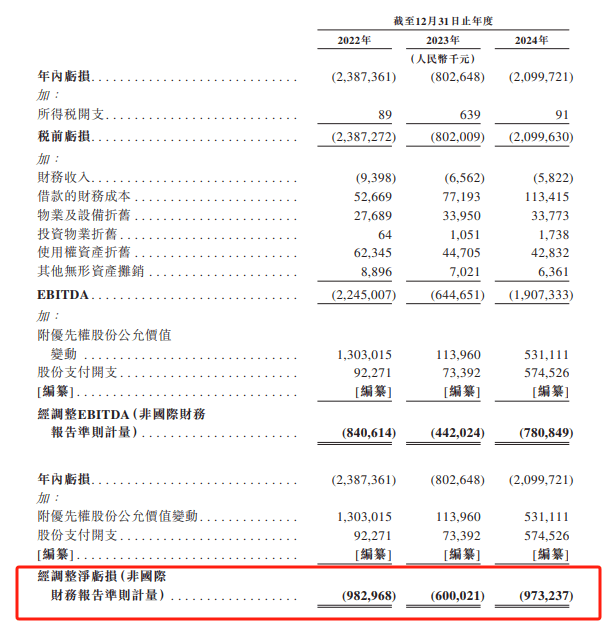
Group 1 - The core point of the article is that Teslin has recently refiled its prospectus with the Hong Kong Stock Exchange after its previous submission expired, but it has not disclosed specific details regarding the financing scale and share ratio [1] - Teslin, established in 2015, focuses on providing end-to-end smart city solutions for governments, enterprises, and communities, utilizing its self-developed AIoT operating system, TacOS [1] - The company has experienced significant losses exceeding 3.1 billion RMB since 2021, with revenues growing from 738 million RMB in 2022 to 1.843 billion RMB in 2024, marking an 83.2% year-on-year increase in 2024 [2][3] Group 2 - Teslin's revenue structure has shifted significantly, with revenue from AI industry digitalization increasing from 64% in 2022 to 89% in 2024, while revenue from AI city intelligence decreased from 20.7% to 7.8% during the same period [4] - The company's revenue is primarily derived from software, hardware, and services, with hardware becoming the main revenue contributor in 2024, accounting for 76% of total revenue [4] - The sales cost as a percentage of total revenue increased from 69% in 2023 to 84.7% in 2024, leading to a decline in gross margin from 31.0% to 15.3% [5] Group 3 - Teslin's customer concentration risk is high, with a growing dependency on major clients despite an increase in total customer numbers from 224 in 2022 to 342 in 2024 [6][7] - The revenue contribution from the top five clients increased from 44.5% in 2023 to 70.6% in 2024, with the largest single client contributing 29.7% of total revenue in 2024 [7][8] - Many of the company's major contracts are awarded on a project basis and are non-recurring, posing a risk to cash flow and financial stability if major clients do not continue to engage the company [8]

青岛政务IT企业拟赴港上市,近三年现金流持续下滑
阿尔法工场研究院· 2025-04-06 13:01
Core Viewpoint - Qingdao Wenda Tong Technology Co., Ltd. plans to list on the Hong Kong Stock Exchange, highlighting both opportunities and risks associated with its IPO [1] Business Overview - The company operates in multiple areas of smart city construction, including information system integration solutions, property management services, and community living services [1] - In information system integration, the company provides customized services using IoT and AI technologies to enhance urban management efficiency and improve residents' quality of life [1] - The property management services integrate digital and intelligent technologies to offer comprehensive management services across various property types, while community living services include online and offline retail and dining options [1][2] Business Model - The company develops customized software and integrates hardware for clients, providing a one-stop solution in information system integration [2] - Revenue is generated through property management fees and value-added services, with a focus on enhancing service quality to increase customer loyalty [2] - The diversified and synergistic business model creates a complete business loop in the smart city construction sector [2] Market Position - The company ranks second in the comprehensive smart city solution service sector and fifth in property management service area in Shandong Province, indicating strong regional competitiveness [3] Financial Performance - The company's total revenue has shown growth from 647 million RMB in 2021 to 1.114 billion RMB in 2024, with a slight decline in 2024 [4] - However, operating cash flow has been negative for the fiscal years 2022 to 2024, which may adversely affect liquidity and financial health [4] - The debt-to-asset ratio has increased significantly, reaching 137.7% by the end of 2024, indicating higher financial risk [5] Investment Potential - The smart city construction market is expanding, with the Chinese government promoting relevant policies, providing favorable growth opportunities for the company [6] - The market size for comprehensive smart city solutions is projected to grow from 63.6 billion RMB in 2023 to 113.1 billion RMB by 2028, suggesting potential for the company to benefit from industry growth [6] - Continuous investment in technology R&D and possession of multiple patents enhance the company's competitive edge [7] Risks and Challenges - The smart city solutions industry is highly competitive, with numerous participants, posing a risk to market share if the company fails to maintain competitiveness [7] - Credit risk is a concern due to long payment cycles from some clients, leading to increased turnover days for trade receivables [7] - The company's operations are heavily reliant on the economic and policy environment of Shandong Province, making it vulnerable to local changes [8] Management and Future Strategy - The management team has extensive experience in the industry, which is beneficial for the company's development [8] - The company plans to enhance its smart city solution capabilities, upgrade products, and expand its business to solidify its market position, although these strategies face uncertainties [8]