电子树脂

Search documents
看好高速覆铜板树脂材料的发展机遇
Orient Securities· 2025-05-09 09:42
Investment Rating - The report maintains a "Positive" outlook on the high-speed copper-clad laminate resin materials industry [5]. Core Viewpoints - The demand for high-speed resin materials is driven by the explosive growth of AI servers, which require advanced materials to meet higher electrical performance standards [7][10]. - Domestic resin manufacturers are positioned to capitalize on the opportunities presented by the AI server market, with companies like Dongcai Technology and Shengquan Group leading the way in high-end electronic resin production [3][11]. Summary by Sections 1. Introduction - The development of AI models necessitates high-performance hardware, leading to increased demand for advanced materials. Traditional epoxy resins are inadequate for the electrical performance required by AI servers, prompting the shift to low-dielectric resins such as BMI, PPO, and hydrocarbon resins [10][11]. 2. AI Server Volume and Upgrades - The global AI server shipment is projected to grow by approximately 46% in 2024, with further growth expected in 2025. This surge will drive demand for high-speed copper-clad laminates and, consequently, high-end electronic resins [12][29]. 2.1. Performance Requirements Driving Material Upgrades - AI servers require materials that minimize signal loss and energy dissipation, leading to a preference for low Dk and Df materials. The shift from traditional epoxy resins to advanced materials is essential for meeting these performance standards [15][22]. 2.2. Demand Space Estimation for High-Speed Resins - The estimated market size for high-speed resin materials is projected to reach around 3 billion yuan by 2026, driven by the increasing demand from AI servers and upgraded server platforms [28][29]. 2.3. Opportunities from Industry Concentration and Market Changes - The concentration of the copper-clad laminate industry in mainland China presents opportunities for domestic resin suppliers to enter and expand in the market, especially as the demand for high-speed laminates grows [31][32]. 3. High-End Electronic Resins with High Technical Barriers - The high-end electronic resin market is characterized by significant technical barriers, with leading companies in Japan and the US currently dominating the sector. However, domestic companies are making strides in developing competitive products [40][41]. 3.1. BMI Resins: Domestic Companies Making Progress - Domestic manufacturers like Dongcai Technology and Shengquan Group are advancing in the production of BMI resins, with significant capacity and growth projections [49][50]. 3.2. PPO Resins: Awaiting Demand from M7 and M8 High-Speed Boards - The development of PPO resins is crucial as demand for M7 and M8 high-speed boards increases, with domestic companies actively working on improving production capabilities [51][64].


又一高分子材料国家级“小巨人”,IPO获批!
Sou Hu Cai Jing· 2025-05-07 16:59
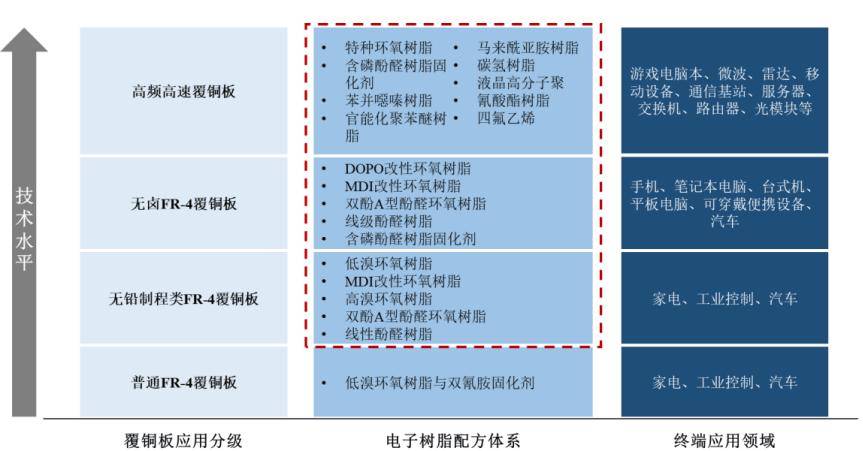
Core Viewpoint - Despite the increasing number of delisted companies and fewer IPOs, the encouragement for the development of key new materials remains strong, with the IPO door still open for capable enterprises [1] Group 1: IPO and Fundraising - The China Securities Regulatory Commission approved the IPO registration of Tongyu New Materials on April 25, with a fundraising target of 1.3 billion yuan, of which 1.2 billion yuan is allocated for a project to produce 200,000 tons of electronic resin annually [1] - The IPO process took 34 months from the initial application acceptance in June 2022 to the recent registration [1] - Following the approval by the Shenzhen Stock Exchange's listing committee in April 2023, the company faced a two-year stagnation during which its performance declined [2] Group 2: Financial Performance and Market Position - The average price of the company's products dropped between 26% to 40% in 2023, with a projected decline of 5% to 20% in 2024, leading to a continuous decrease in profits [2] - Tongyu New Materials, established in 2015, is recognized as a national-level "little giant" enterprise focusing on the electronic resin industry, with products including various modified epoxy resins [2] - The company has been focusing on developing lead-free and halogen-free electronic resins, which are essential for meeting the environmental requirements in the PCB industry [3] Group 3: Product Development Trends - The demand for high-end electronic resins is driven by the PCB industry's shift towards halogen-free materials, necessitating new flame retardants and improved performance characteristics [3] - Traditional products like MDI modified epoxy resins are seeing a decline in both scale and market share, while BPA-type phenolic epoxy resins and phosphorus-containing phenolic resin curing agents are experiencing rapid growth [5] - The company's revenue from MDI modified epoxy resins accounted for 34.5% in 2023, down from 42.06% in 2022, indicating a shift in product focus [6] Group 4: Company Background and Clientele - The company's controlling shareholder, Zhang Chi, has a PhD in polymer science from Sichuan University and received significant funding from alumni to establish the company [7] - Major clients include Nanya New Materials, Jian Tao Group, and Shengyi Technology, with the top five clients contributing to 68% of the company's revenue [7]

同宇新材上市在即,张驰团队千万赠金背后故事引关注
Sou Hu Cai Jing· 2025-04-30 12:36
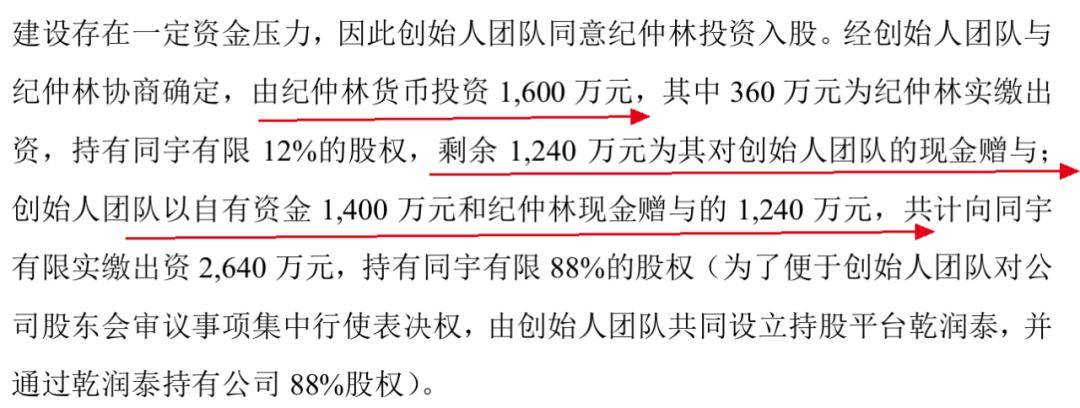
Core Viewpoint - Tongyu New Materials (Guangdong) Co., Ltd. has officially registered, marking its entry into the capital market, despite facing challenges with declining profits and reliance on a limited customer base [1][2][4]. Company Overview - Established in 2015, Tongyu New Materials focuses on the research, production, and sales of electronic resins, primarily used in the manufacturing of copper-clad laminates [1]. - The company is led by Zhang Chi, a polymer PhD graduate from Sichuan University, who has received significant support from his mentor, Ji Zhonglin, who provided 12.4 million yuan to the founding team [1]. Financial Performance - The company has experienced two consecutive years of profit decline, attributed to falling product prices, capacity constraints, and losses from its wholly-owned subsidiary, Jiangxi Tongyu [2]. - In 2024, the company plans to raise 1.3 billion yuan through an IPO, with 1.2 billion yuan allocated for expanding production capacity to 200,000 tons of electronic resin [4]. Production and Inventory Management - In 2024, Tongyu New Materials reported a production capacity of 37,000 tons, with an actual output of 43,058.47 tons, resulting in a capacity utilization rate of 116.37% [5]. - The company's inventory surged to 95.3 million yuan in 2024, reflecting a 90% year-on-year increase, indicating challenges in inventory management alongside capacity expansion [5][6]. Market Position and Challenges - The company faces a significant market gap for high-performance electronic resins in China, which presents growth opportunities, but also raises concerns about market volatility and competition [4]. - The reliance on a network of familiar customers and suppliers poses risks to the company's bargaining power and risk management capabilities [2].
业绩连降、“国产替代”被质疑,同宇新材IPO能否闯过“注册关”
Hua Xia Shi Bao· 2025-04-29 00:59
Core Viewpoint - Tongyu New Materials (Guangdong) Co., Ltd. has faced significant challenges in its IPO process, with declining performance metrics raising questions about its market viability and the sustainability of its "domestic substitution" claims [2][3][5]. Financial Performance - The company's revenue for the years 2022, 2023, and 2024 was reported at 1.193 billion, 880 million, and 952 million respectively, with net profits declining from 188 million to 143 million during the same period [3][4]. - The direct material costs as a percentage of main business costs were 91.44%, 87.76%, and 85.59% for the years 2022 to 2024, indicating a high sensitivity to raw material price fluctuations [3]. IPO and Regulatory Challenges - The company submitted its IPO registration in April 2025, aiming to raise 1.3 billion for expansion and working capital, but its revenue growth rate falls below the required 25% for the past three years as per the revised regulations [4]. - Despite meeting certain exemption criteria, the company must still demonstrate sufficient evidence of technological barriers and market potential to pass substantive profitability reviews [4]. Market Position and Client Base - Key clients include major players in the copper-clad laminate industry, with claims of increasing domestic market share and reducing reliance on imported materials [5]. - However, there are concerns regarding the lack of data supporting the company's claims of "domestic substitution," as the prospectus does not provide benchmark data for industry localization rates [5][6]. Industry Trends and Client Performance - The financial struggles of major clients like Nanya Technology and Kingboard Chemical have been evident, with significant revenue declines reported in 2022 and 2023 [6][7]. - In 2024, while some clients showed signs of recovery, the overall market remains volatile, with ongoing challenges in profitability for many key customers [7]. R&D and Innovation - The company's R&D expense ratio was notably low, at 1.25%, 2.17%, and 2.27% from 2022 to 2024, significantly below the industry average [8]. - The prospectus did not disclose the number of core technology patents, raising questions about the robustness of its claimed technological advancements [8]. Expansion Plans - The company plans to use 1.2 billion of the 1.3 billion raised for expanding its production capacity to 200,000 tons, despite only selling 37,000 tons in 2022 [9]. - The management has indicated a phased approach to capacity expansion to mitigate the risk of overproduction, although no quantitative evidence of market demand growth was provided [10].