
Wearable Devices

Search documents
Zepp Health(ZEPP) - 2025 Q3 - Earnings Call Presentation
2025-11-05 01:30
Zepp Health Earnings Presentation Third Quarter 2025 Investor Relations 4 November 2025 Table of Contents Adjusted Operating Expenses 2 Empowering Health, Inspiring Joy 3Q25 Financial and Operating Results 01 05 02 Revenue 03 3Q25 Gross Margin 04 3Q25 Revenue and Gross Margin Trend Net Income/ Earnings Performance 06 Liquidity Position 07 08 Business Outlook 3Q25 Financial and Operating Results $75.8 Million Revenue • Meeting upper end of guidance range Units Shipped 0.8 Million 3Q24 0.7 Million 0.0 Million ...

Wearable Devices Secures Exclusive Distribution Agreement in South Korea for Its Neural Input Wristbands
Globenewswire· 2025-10-27 13:00
Core Insights - Wearable Devices Ltd. has entered into an exclusive distribution agreement with Sky Commerce Co., Ltd. to expand its presence in the South Korean market [1][4] - The agreement allows Sky Commerce to promote and sell the Mudra Band and Mudra Link products, contingent on meeting annual purchase targets [2] - This partnership aims to leverage local expertise to enhance the adoption of Wearable Devices' neural interface technology among consumers and enterprises [3] Company Overview - Wearable Devices specializes in AI-powered touchless sensing wearables, particularly the Mudra Band and Mudra Link, which enable intuitive control of digital devices through gestures [5][6] - The company operates a dual-channel model, focusing on both direct-to-consumer sales and enterprise collaborations, enhancing user experiences in various sectors including gaming and XR [6] - Wearable Devices is positioned to set the standard for neural input technology in the XR ecosystem, contributing to the growth of seamless user experiences in rapidly expanding tech markets [7]


一枚戒指,估值777亿
创业邦· 2025-10-24 00:08
Group 1 - The company Oura, which produces smart rings, has completed a $900 million Series E funding round, bringing its valuation to $10.9 billion (approximately 77.7 billion RMB) [2] - This valuation represents a significant increase, doubling from the $5 billion valuation during the Series D funding round in November of the previous year [2]
声控 LED 腕带产业化机遇:2025-2031年全球市场格局
QYResearch· 2025-10-20 09:23
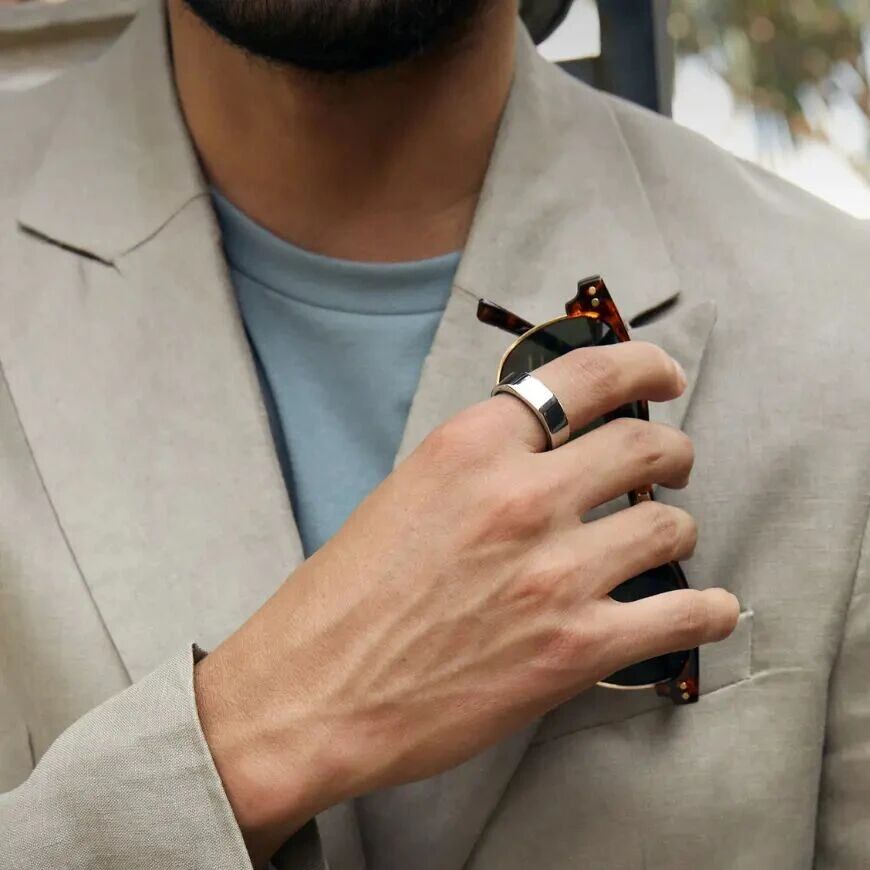
Core Insights - The article discusses the sound-activated LED wristband market, highlighting its expected growth and key players in the industry. The market is projected to reach $13.28 million by 2031, with a compound annual growth rate (CAGR) of 4.5% from 2025 to 2031 [1]. Market Overview - The global sound-activated LED wristband market is experiencing growth, driven by demand in entertainment and fitness sectors [2]. - The top three manufacturers, Nordic wristbands, synometrix, and GFLAI, hold approximately 19.3% of the market share as of 2024 [6]. Industry Chain Analysis - The industry chain includes upstream suppliers of electronic components, materials, and manufacturing equipment, as well as downstream distributors and retail channels [7]. Policy Analysis - Key policies affecting the industry include product safety certifications (CE, FCC, CCC), environmental regulations (RoHS), and incentives for innovation and R&D [8]. Development Trends - The industry is witnessing trends such as integration with IoT, sustainability initiatives, advancements in sensor and LED technology, and increasing demand for personalized services [9]. Opportunities for Growth - Opportunities in the market include the recovery of the entertainment industry post-pandemic, integration with smart wearable devices, B2B customization, and a focus on sustainability [10]. Challenges and Barriers - The industry faces challenges such as intense market competition, technological and standardization issues, supply chain disruptions, and regulatory pressures [11][12].
1 年卖 300 万枚智能戒指 Oura 再融 9 亿美金,将非结构化数据结构化拿了 1 亿多美金
投资实习所· 2025-10-15 08:53
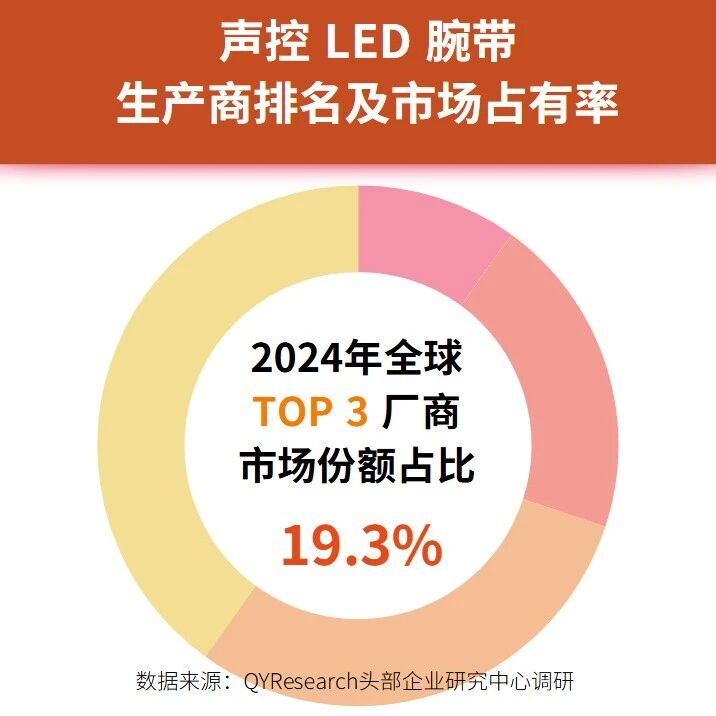
Core Insights - Oura has completed a new funding round of $900 million, led by Fidelity, with a valuation of $11 billion, more than doubling from $5.2 billion at the end of last year [1] - Total sales of Oura rings have reached 5.5 million units, a significant increase from 2.5 million units last year, indicating a strong market demand [1] - Revenue is projected to reach $1 billion this year, up from $500 million last year, reflecting a doubling in growth [1] User Demographics and Market Position - Oura has transitioned from a niche product favored by fitness enthusiasts to a mainstream consumer product, with a significant shift in its user base [2] - The core users are now primarily young women in their 20s who are highly focused on sleep and recovery, with over 50% of users having chronic health issues [2] - There is an increasing acceptance of Oura among workplace elites and chronic disease patients, leading to partnerships with health insurance providers [2] Product Features and Innovations - The fourth generation of Oura Ring features a titanium alloy structure, improved blood oxygen measurement, and enhanced battery life of up to 8 days [3] - The Oura App translates hardware data into scores for sleep, activity, and readiness, with new features for automatic heart rate zone identification and women's health insights [3] - The introduction of "Health Panels" allows users to book lab blood tests through the app, creating personalized health reports [3] Business Model and Growth - Since 2019, Oura's revenue has increased 50-fold, with a business model that combines hardware sales and subscription services [6] - Currently, 51% of users utilize Oura to manage chronic diseases, and 11% are healthcare providers themselves [6] - The subscription model accounts for 20% of revenue and is growing, enhancing user engagement and retention [6] Industry Trends - Oura's focus on sleep as a key to health contrasts with other companies that emphasize activity, positioning it as a leader in proactive health management [5] - The company exemplifies a shift towards personalized daily health care rather than reactive disease management [5] - The rise of AI products that handle unstructured data is noted, with Oura being part of a broader trend in the health tech industry [7][8]
对话范钦强:在AI眼镜寻找未来的路上,勇敢地回到现实|NEXTA创新夜谈
3 6 Ke· 2025-10-10 09:33
Core Insights - The article discusses the emergence of AI glasses as a new interaction interface, highlighting the competition among tech giants and startups to define their value and application scenarios [1][2] - Dr. John CC Fan, a seasoned entrepreneur and scientist, emphasizes a user-centric approach in developing AI glasses, focusing on practicality and everyday usability rather than flashy features [2][3] Industry Overview - The AI glasses market is characterized by a mix of opportunities and challenges, with many companies attempting to create a viable product that resonates with consumers [1][2] - Major players like Google, Meta, and Apple have faced difficulties in gaining market traction with their head-mounted devices, leading to a reevaluation of strategies in the AI glasses sector [2][3] Product Development Principles - Dr. Fan outlines five principles for successful AI glasses: prioritize user comfort, ensure virtual information does not obstruct real-world perception, maintain awareness of both realities, utilize voice as a primary input method, and create user value rather than just adding features [3][4][5][6] Future Directions - The future of AI glasses may diverge into two paths: lightweight models for daily use focusing on voice interaction and immersive VR devices for entertainment and professional applications [10][11] - The integration of AI technology is expected to advance significantly in the next three years, while VR technology may take longer to mature [10] Market Challenges - User experience optimization is identified as a core challenge, with the need for seamless voice interaction and aesthetic design to encourage adoption [12][13] - The competition in the AI glasses market is anticipated to intensify, with many companies emerging and disappearing, emphasizing the importance of product differentiation [15] Entrepreneurial Insights - Dr. Fan shares insights on entrepreneurship, emphasizing the importance of a positive mindset, willingness to take risks, and the value of experience over age [16][17] - He encourages young entrepreneurs to embrace imperfection and learn through experience rather than waiting for the perfect moment to launch their ideas [18] Investment Strategy - SolosAI has chosen not to engage traditional venture capital, allowing the company to focus on long-term product vision without the pressure of immediate returns [19]

即将完成8.75亿美元E轮融资,Oura Ring对AI原生硬件创业的启示是什么?
3 6 Ke· 2025-09-29 09:50
Core Insights - Oura Ring is transitioning from smart wearable hardware to AI-native hardware, expecting explosive growth from 2024 to 2025, with cumulative sales projected to reach 5.5 million by September 2025, representing an annual growth rate exceeding 100% [1][3]. Company Overview - Oura Ring, a smart health ring, received $200 million in Series D funding in December 2024, led by Fidelity and Dexcom, with a post-money valuation of $5.2 billion. By September 2025, it is expected to complete an $875 million Series E funding round, raising its valuation to $11 billion [3]. Product Features - The latest Oura Ring 4 features an upgraded Smart Sensing technology, increasing the number of signal pathways from 8 to 18, enhancing data accuracy. Nighttime blood oxygen measurement accuracy improved by 30%, and the accuracy of the Breathing Disturbance Index (BDI) increased by 15% [4]. - The Oura Ring 4 app has been restructured to display users' health status across seven areas, focusing on sleep, activity levels, and readiness. It tracks daily activities, resting heart rate, heart rate variability, temperature trends, and sleep quality [7]. AI Integration - Oura Advisor is the primary AI feature, interpreting health data and providing actionable insights. It can prompt users about changes in their health patterns and help create personalized action plans [8]. - Oura Labs offers exploratory features like symptom radar, which aims to detect potential health risks before users notice any discomfort by monitoring subtle changes in biological data [9]. Market Position and Growth - Oura Ring has seen a significant increase in sales, with approximately 3 million units sold between June 2024 and September 2025, surpassing the total sales of the previous decade [10]. - The company initially struggled with funding and market penetration but gained traction during the COVID-19 pandemic, leading to substantial sales growth and subsequent funding rounds [10][11]. - The product's appeal to professional athletes in leagues like the NBA and UFC helped it transition to a broader consumer market, expanding its functionality from basic health metrics to more comprehensive health insights [11].

Omdia: Global Wearable Band Market to Grow 9% as Smartwatches and Health Tech Surge
Businesswire· 2025-09-25 09:42
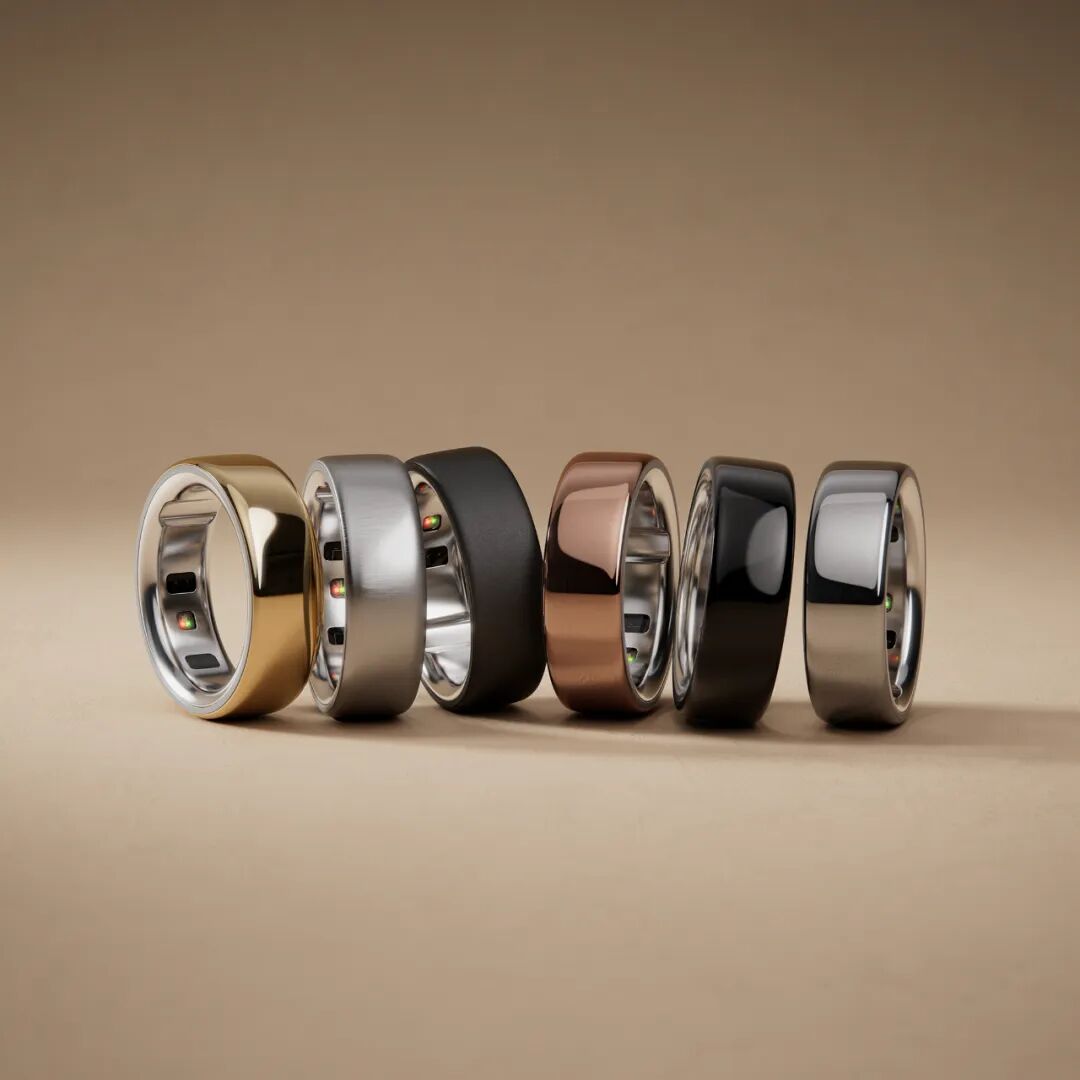
Core Insights - The global wearable band market is experiencing significant growth, with 50.2 million devices shipped in Q2 2025, representing a 13% increase from the same quarter last year [1] - The market expansion is driven by strong demand for both entry-level basic devices and advanced tracking features [1] - Omdia forecasts an 8% growth in the wearable band market for 2025, followed by a further 9% increase expected in 2026 [1] - The rising consumer interest in health, fitness, and sports is a key factor fueling the demand for wearable bands [1]
可穿戴设备迎政策利好,前八月智能穿戴相关企业注册量涨超33%
Qi Cha Cha· 2025-09-23 07:04
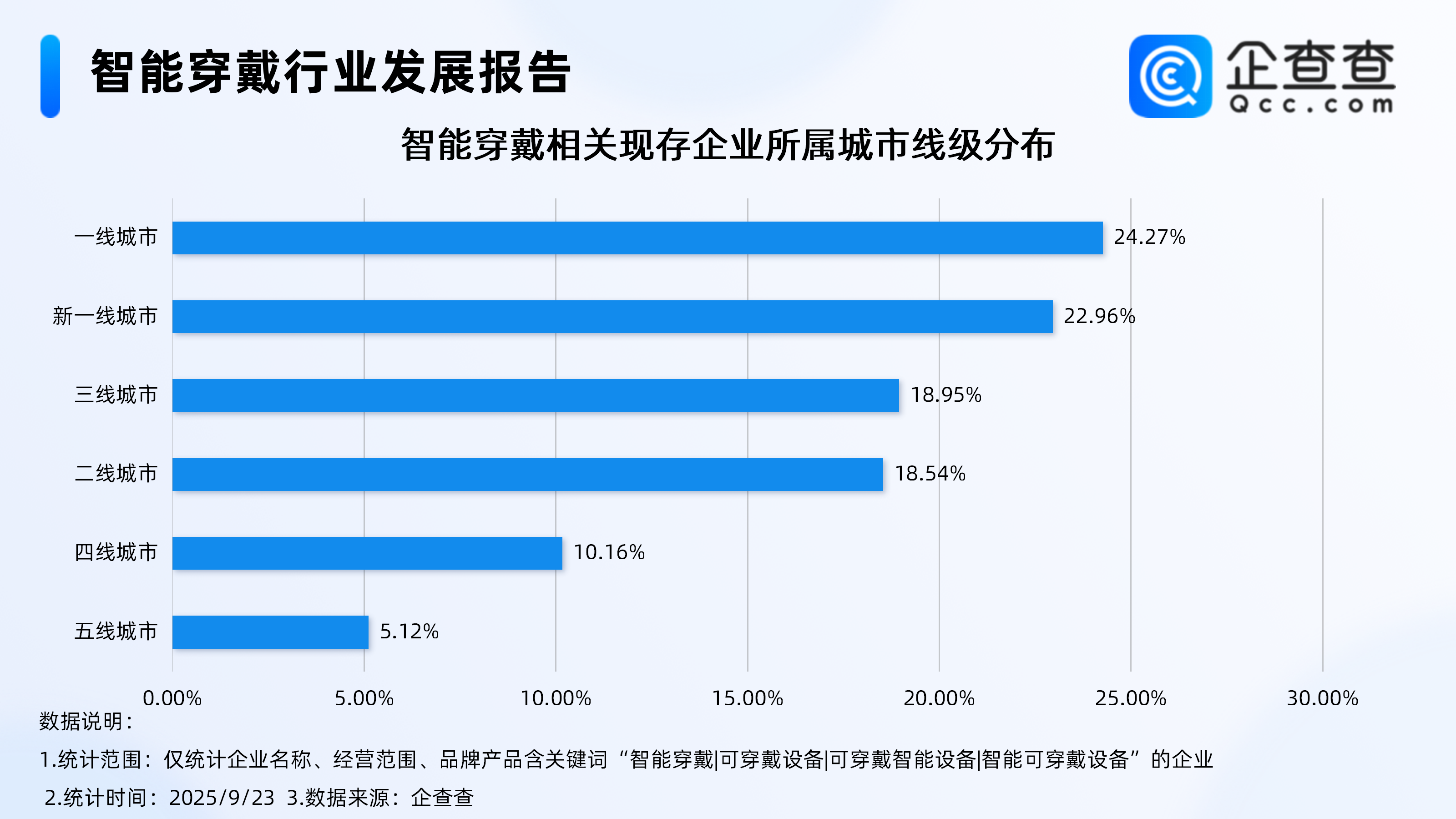
Group 1 - The core viewpoint of the articles highlights the favorable policies for wearable devices in China, particularly the guidance from the National Sports Administration to promote digital and intelligent upgrades in health services through wearable technology [1] - The global wearable device market is experiencing rapid growth, with IDC reporting that by Q2 2025, global wrist-worn device shipments will reach 49.22 million units, a year-on-year increase of 12.3% [1] - China, as the largest market for wrist-worn devices, is projected to ship 20.8 million units by Q2 2025, marking a year-on-year growth of 33.8%, leading the global growth [1] Group 2 - As of September 23, there are 387,000 existing smart wearable-related enterprises in China, primarily concentrated in first-tier and new first-tier cities, accounting for 24.27% and 22.96% respectively [2][5] - Over 60% of the existing smart wearable enterprises were established in the last three years, with those founded within 1-3 years making up 35.16% and those within 1 year accounting for 30.46% [5][7] - The annual registration of smart wearable-related enterprises in China has shown a consistent upward trend over the past decade, with a projected 14.86% year-on-year increase in 2024, surpassing 100,000 registrations for the first time [8]
Oura ring maker raising $875M Series E, bringing valuation to $11B, report says
Yahoo Finance· 2025-09-22 16:39
Core Insights - Oura Health Oy is raising $875 million in a Series E financing round, valuing the company at approximately $10.9 billion, which is a significant increase from its previous valuation of $5 billion in the Series D round [1] - The company has sold 5.5 million rings to date, a substantial increase from 2.5 million reported in June 2024, and is projected to generate over $1 billion in revenue this year, doubling its revenue from $500 million in 2024 [2] - The new funding will be utilized to scale production, expand internationally, and invest in product development, with recent growth driven by female consumers, retail sales, health savings account purchases, and international market expansion [3]