New Energy Vehicles

Search documents
Recent Market Movements and Top Losers
Financial Modeling Prep· 2025-09-22 22:00
Core Insights - Several companies have experienced significant stock price declines, impacting investor sentiment and market performance [1] Company Summaries Chijet Motor Company, Inc. (NASDAQ:CJET) - Stock price dropped to $0.19, reflecting a -33.69% change, with a yearly range of $0.078 to $2.99 [2] - The company focuses on innovation in the electric vehicle sector and has appointed Jason Miller as COO to lead its transition into digital currency [2] - Strategic integration of major cryptocurrencies like Bitcoin, Ethereum, and Solana into its balance sheet is planned [2] AtlasClear Holdings, Inc. (NYSE American:ATCH) - Experienced a -33.13% change, with stock price falling to $0.61, ranging from $0.137 to $26.94 over the year [3] - The company is navigating challenging market conditions under CEO Ilya Bogdanov, emphasizing its trading and settlement platform [3] - Recently closed a $3 million financing round with the potential to raise an additional $2 million [3] Envoy Medical, Inc. (NASDAQ:COCH) - Stock price fell to $0.90, marking a -30.55% change, with a price range of $0.88 to $3.99 [4] - The company offers innovative medical technologies for hearing loss and is led by CEO Brent T. Lucas [4] - Announced a $2.5 million registered direct offering and a concurrent private placement for additional shares [4] Market Outlook - Despite significant price declines, these companies continue to pursue innovation and growth, with leadership committed to navigating market challenges [5]



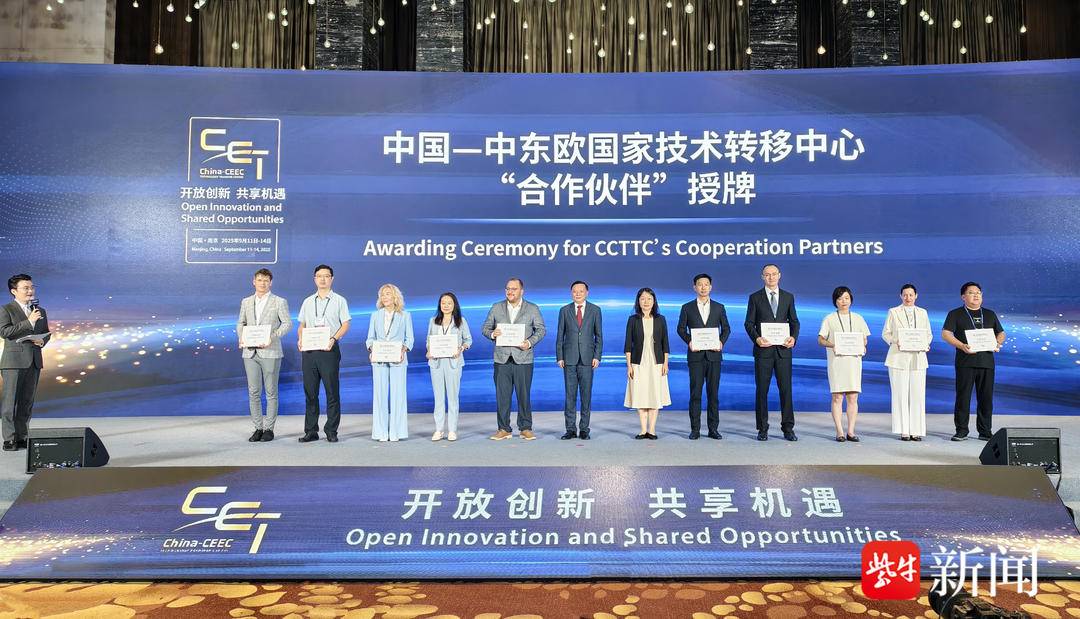
江苏相城高新区成为中国—中东欧国家技术转移中心“合作伙伴”
Yang Zi Wan Bao Wang· 2025-09-19 04:01
Core Viewpoint - The 2025 Jiangsu Industry-University-Research Cooperation Conference emphasizes the theme of "Open Innovation and Shared Opportunities," highlighting the importance of collaboration between China and Central and Eastern European (CEE) countries in technology transfer and innovation [1][3]. Group 1 - The conference saw participation from 20 representatives from 17 institutions across CEE countries, alongside over 160 representatives from nearly 120 institutions from within and outside Jiangsu province [3]. - Xiangcheng High-tech Zone was designated as a partner of the China-CEE Technology Transfer Center, marking a significant milestone in technological cooperation between Xiangcheng and CEE countries [3]. - The Xiangcheng High-tech Zone has been actively expanding its innovation cooperation with CEE countries, successfully joining the ranks of new partners in the China-CEE Technology Transfer Center and achieving substantial results in practical cooperation [3][4]. Group 2 - Moving forward, the Xiangcheng High-tech Zone aims to deepen its cooperative relationship with CEE countries, focusing on key industries such as robotics and artificial intelligence, new-generation electronic information, and new energy vehicles [4]. - The center will leverage its platform advantages to facilitate international development for local enterprises, enabling them to better align with CEE market demands and enhance their global outreach [4]. - This initiative is expected to foster closer cross-border innovation partnerships and promote friendly exchanges between China and CEE countries, driving collaborative industrial innovation [4].
蒙牛集团:25 年上半年销售不及预期,核心经营利润率扩张稳健;公告首席财务官更替;审慎看待短期需求侧反弹 (持有) *2319.HK
Bank of China Securities· 2025-09-03 07:46
Investment Rating - The report assigns a HOLD rating to Mengniu Dairy with a target price of HK$16.80 [5][7][8] Core Insights - In 1H25, Mengniu Dairy's total revenue was RMB41.6 billion, representing a 6.9% year-on-year decline, which missed expectations. However, the core operating profit margin (OPM) increased by 1.5 percentage points year-on-year to 8.5%, exceeding expectations. The reported net profit was RMB2.0 billion, down 16.4% year-on-year, also missing expectations [5][8] - Management has revised its revenue guidance for 2025 to a mid to high single-digit percentage decline year-on-year, indicating a downward revision. The core OPM is expected to remain stable year-on-year, suggesting a quarter-on-quarter decrease in the second half of the year. The long-term target for OPM expansion of 30-50 basis points per year remains unchanged [6][8] - The forecasts for top and bottom lines for 2025-27 have been revised down by approximately 7% and 10%-16%, respectively. The report suggests that while the worst period for Mengniu has passed, it may take longer to see a turning point in the industry cycle, which is essential for a potential re-rating of domestic dairy giants like Mengniu. The current valuation is considered fair at a discount compared to its Hong Kong-listed food and beverage peers [7][8] Summary by Sections Financial Performance - Total revenue for Mengniu Dairy in 1H25 was RMB41.6 billion, down 6.9% year-on-year, missing expectations. The core OPM rose to 8.5%, while net profit fell to RMB2.0 billion, down 16.4% year-on-year [5][8] Management Guidance - The management has indicated a revenue decrease of mid to high single digits for 2025, with core OPM expected to remain stable year-on-year, implying a potential decline in the second half of the year [6][8] Forecast Revisions - The report has adjusted the revenue and net profit forecasts for 2025-27 downwards by about 7% and 10%-16%, respectively, reflecting a cautious outlook on the industry cycle [7][8]

【晶采观察·解码“十四五”】“新三样”圈粉 中国出口“含新量”更足
Yang Guang Wang· 2025-08-27 01:41
Group 1 - The core achievement of the "14th Five-Year Plan" is the significant increase in the export of high-tech products, with the "new three samples" expected to grow 2.6 times by 2024 compared to 2020 [1] - The transition from traditional exports like clothing and furniture to high-tech products such as electric vehicles, lithium batteries, and solar cells indicates a structural optimization in China's foreign trade [2] - The cultural "new three samples," including online literature, web series, and video games, are gaining popularity overseas, showcasing China's growing influence in global consumption [2] Group 2 - The development of the "new three samples" reflects a shift from quantity and price competition to quality and innovation, highlighting the strengthening core competitiveness of China's foreign trade [2] - The robust supply chain and production capabilities support the high-quality and innovative demands of consumers, aided by customs protection measures for intellectual property [3] - Customs efforts in intercepting counterfeit products demonstrate China's commitment to protecting both domestic and foreign intellectual property rights, enhancing the overall business environment [3]
MoonFox Data | Leapmotor Financial Report Analysis: Strong Momentum Sustained, Q2 Revenue Expected to Surge 156.6% YoY
GlobeNewswire News Room· 2025-08-12 09:00
Core Viewpoint - Leapmotor aims to achieve a sales target of 500,000 units for 2025, having delivered 221,664 vehicles in the first half of the year, which is 44.33% of its annual goal [1][2]. Sales Performance - Leapmotor has shown strong sales momentum, leading the new energy vehicle (NEV) market in China with 221,664 units sold in H1 2025, maintaining the top position for four consecutive months [6][8]. - The company is well-positioned to meet its full-year sales target due to the upcoming traditional sales peak season and the launch of new models [2]. Financial Performance - Leapmotor's revenue for full-year 2024 increased by 92.0%, while Q1 2025 revenue surged by 187.1% year-over-year [3]. - The gross profit margin improved from 8.4% in 2024 to 14.9% in Q1 2025, driven by rapid volume growth and product structure optimization [3]. Net Profit and R&D Investment - In Q1 2025, Leapmotor reported a net loss of RMB 130 million, a significant reduction from the RMB 1.13 billion net loss in the same period of 2024 [5]. - R&D expenditure reached RMB 800 million in Q1 2025, up 53.8% from RMB 520 million in 2024, focusing primarily on intelligent driving technologies [5]. Product Portfolio - Leapmotor offers a diverse product range priced between RMB 60,000 and RMB 300,000, catering to various consumer segments [10]. - The A Series targets price-sensitive consumers, while the B Series serves as the core product line with advanced features at competitive prices [11][12]. - The C Series includes models like the C11, which competes with traditional automakers' products priced around RMB 300,000 [14]. - The D Series is set to introduce ultra-luxury features at affordable prices, targeting the premium segment [15]. Market Dynamics - The NEV market in China is experiencing increasing consolidation, with leading manufacturers capturing a larger market share [19][20]. - Leapmotor's full-stack independent R&D strategy covers six key technology domains, allowing for rapid technological iteration and reduced reliance on third-party suppliers [21][22]. Future Projections - Q2 2025 revenue is projected to reach RMB 13.8 billion, representing a 156.61% year-over-year increase [24].

中国汽车_NEV OEMs 2025 年第二季度预览_更好的产品组合和运营支出优化推动季度环比盈利能力提升China Automobiles_ NEV OEMs 2Q25 Preview_ better product mix and opex optimization to drive qoq profitability improvement
2025-08-05 03:16
Summary of Key Points from the Conference Call Industry Overview - The conference call focuses on the China New Energy Vehicle (NEV) Original Equipment Manufacturers (OEMs) for the second quarter of 2025 (2Q25) [1][2] Core Company Insights BYD - **Revenue**: Expected to reach RMB 213,524 million, a 21% increase year-over-year (YoY) and a 25% increase quarter-over-quarter (QoQ) [1][5] - **Vehicle Sales**: Anticipated to be 158,207 units, reflecting a 28% YoY growth [1][5] - **Gross Margin**: Projected at 18.1%, down 0.6 percentage points (pp) YoY and 2.0 pp QoQ due to price competition [3][5] - **Operating Margin**: Expected to improve by 0.3 pp QoQ to 3.6% [3][5] Li Auto - **Revenue**: Forecasted at RMB 30,331 million, a 4% decrease YoY but a 17% increase QoQ [1][10] - **Vehicle Sales**: Expected to be 29,104 units, down 4% YoY but up 17.9% QoQ [1][10] - **Gross Margin**: Anticipated at 20.1%, a slight increase of 0.6 pp YoY [10] - **Operating Margin**: Expected to improve by 2.1 pp YoY to 3.6% due to opex optimization [9][10] XPeng - **Revenue**: Expected to reach RMB 18,119 million, a 123% increase YoY [1][13] - **Vehicle Sales**: Anticipated at 16,637 units, reflecting a 144% YoY growth [1][13] - **Gross Margin**: Projected at 15.9%, an increase of 1.9 pp YoY [13] - **Operating Margin**: Expected to improve by 14 pp YoY to -5.8% [12][13] Nio - **Revenue**: Forecasted at RMB 19,784 million, a 13.4% increase YoY and a 64.4% increase QoQ [1][17] - **Vehicle Sales**: Expected to be 17,665 units, a 12.7% increase YoY [1][17] - **Gross Margin**: Anticipated at 10.8%, up 1.1 pp YoY [17] - **Operating Margin**: Expected to improve by 5.4 pp YoY to -24.5% [16][17] Key Trends and Observations - **NEV Market Growth**: NEV volume grew by 71% YoY and 29% QoQ across covered OEMs, with industry growth at 30% YoY and 26% QoQ [2] - **Blended Average Selling Price (ASP)**: Remained stable or improved QoQ due to a better product mix, despite lower pricing for individual models [2] - **Operating Expense Control**: All NEV OEMs are expected to see improvements in operating margins due to strict expense control and operational efficiency [2] Risks and Considerations - **BYD**: Risks include intensified electric vehicle competition and slower-than-expected overseas expansion [19] - **Li Auto**: Key risks involve lower-than-expected industry demand and product competitiveness of upcoming models [20] - **XPeng**: Risks include lower-than-expected sales volume and price competition [21] - **Nio**: Risks include lower-than-expected sales volume and potential price cuts [22] Additional Insights - The conference highlighted the importance of new model launches and sales policies in driving market share for companies like Nio [14] - The impact of technology cost reductions and supply chain price declines on gross margins was emphasized, particularly for XPeng and Nio [12][16] This summary encapsulates the key points discussed in the conference call regarding the performance and outlook of major NEV OEMs in China for 2Q25.



湖北上半年经济跑出加速度 锻造中部崛起“硬脊梁”
Zhong Guo Xin Wen Wang· 2025-07-30 14:26
Core Insights - The article highlights the strong economic recovery and growth potential of Hubei province, evidenced by a GDP growth of 6.2% in the first half of the year, surpassing the national average by 0.9 percentage points [2][3] - Hubei's economic performance is attributed to robust indicators such as industrial output, fixed asset investment, retail sales, and exports, all exceeding national averages [4][10] Economic Performance - Hubei's GDP reached 29,642.61 billion yuan in the first half of the year, marking a 6.2% year-on-year increase, which is an acceleration of 0.4 percentage points compared to the previous year [2][3] - Key economic drivers included a 6.9% increase in retail sales, 6.5% in fixed asset investment, and a remarkable 38.5% rise in exports, all outperforming national averages [4][10] Innovation and Technology - The province's economic surge is supported by advancements in emerging industries such as artificial intelligence, humanoid robots, brain-computer interfaces, and new energy vehicles, with high-tech manufacturing value added growing by 14.4% [4][5] - Hubei has established 10 "Hubei Laboratories" focusing on critical technology development, leveraging its strong educational institutions to drive innovation [6][7] Regional Economic Dynamics - Hubei's growth signals a broader trend of economic development in central China, with provinces like Anhui and Henan also showing strong performance in sectors like AI and logistics [10][11] - The article emphasizes the revaluation of inland regions under the "dual circulation" strategy, highlighting Hubei's advantages in market size, industrial support, and logistics efficiency [11]
20天,网签3100套,广州楼市正在刮骨疗毒
Sou Hu Cai Jing· 2025-07-26 13:33
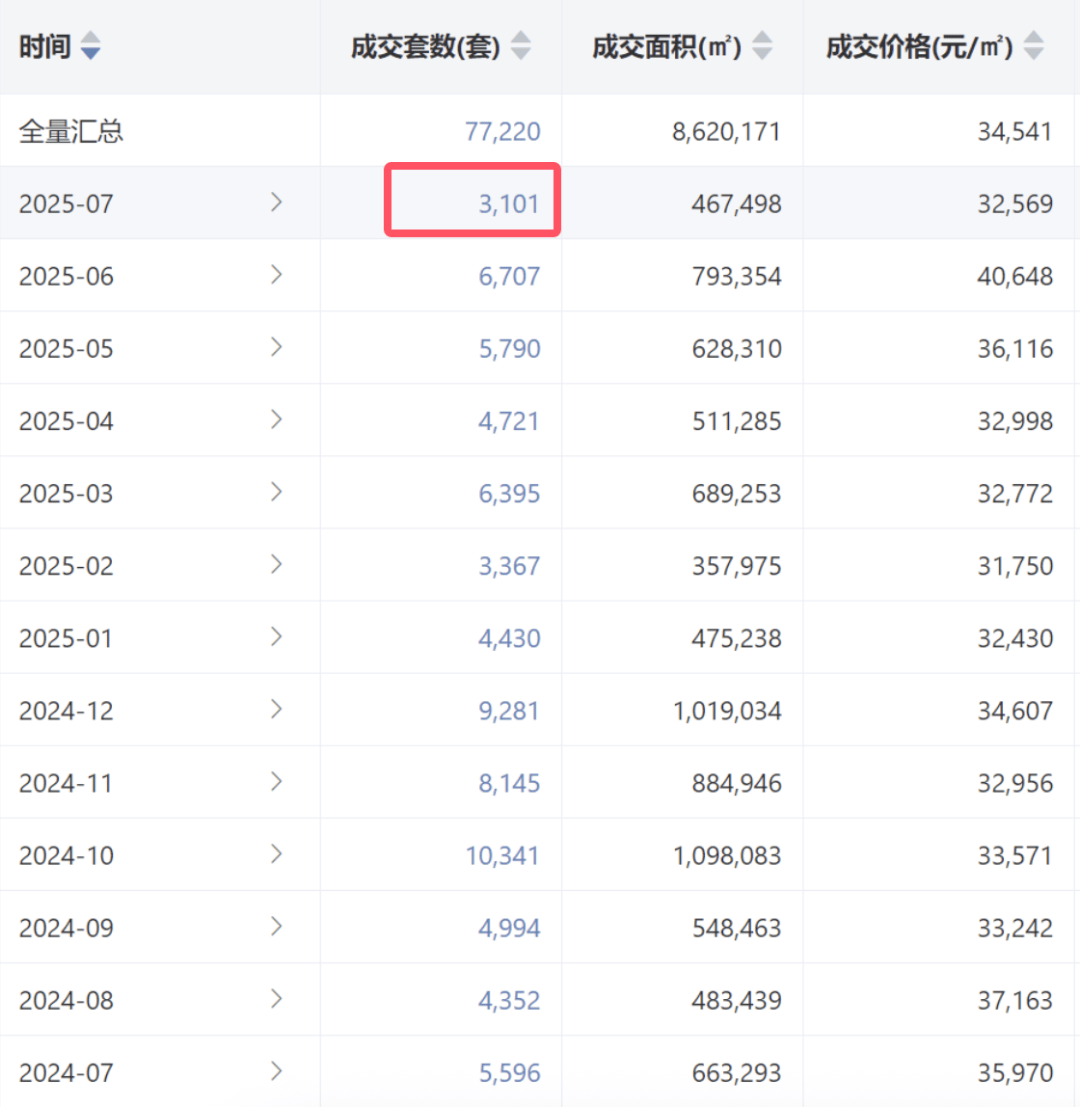
Market Overview - The real estate market in Guangzhou is currently experiencing a downturn, with only 3,101 units signed online as of July 20, which is significantly lower than last year's 5,596 units [1][3] - The average price per square meter is 32,569 yuan, which is slightly better than the previous month but still reflects a cooling market [2][3] Market Dynamics - June saw the highest number of transactions for the year at 6,707 units, driven by projects pushing for mid-year performance [3] - July is traditionally a slow month for real estate, compounded by high temperatures and school vacations, leading to decreased buying activity [3] - The market lacks new launches aside from a few projects, contributing to the overall stagnation [3] Government Initiatives - The Guangzhou government is actively stabilizing the market by utilizing a substantial fund to acquire existing residential properties, which is expected to provide a safety net for the market [8] - The government is also focusing on releasing quality land in core urban areas, which has shown positive results in attracting buyers and generating revenue for developers [8][9] - New regulations on housing design are being implemented to improve living conditions and address issues related to property safety and privacy [9] Economic Indicators - Guangzhou is witnessing a surge in urban vitality, with significant corporate investments and the establishment of major company headquarters, which is expected to enhance the city's attractiveness [11][12] - The city has seen a consistent increase in subway ridership, indicating a growing population and economic activity [12] Future Outlook - The ongoing urban renewal projects are expected to sustain purchasing power in the market, although the long-term sustainability of this demand remains uncertain [5] - The combination of government support, urban development, and new purchasing power from residents is seen as a positive sign for the market's recovery [15]
中国股票策略:反内卷行动的潜在市场反应-2015 - 16 年供给侧改革的经验借鉴-China Equity Strategy_ Potential market reaction to anti-involution drive_ Lessons from 2015-16 supply-side reform
2025-07-25 07:15
Summary of Key Points from the Conference Call Industry Overview - The focus is on the **Chinese market**, particularly the **new energy vehicles (NEV)**, **solar**, **coal**, and **cement** sectors, in the context of the **anti-involution initiative** aimed at reducing unhealthy competition and improving corporate profitability [2][3][7]. Core Insights and Arguments 1. **Anti-Involution Initiative**: - The initiative is gaining momentum, with calls for industries to self-regulate to avoid damaging competition. This is expected to improve supply-demand dynamics, drive price recovery, and enhance corporate profitability [2][3]. - China's Producer Price Index (PPI) fell by **2.8% YoY** in the first half of 2025, marking the **33rd consecutive month** of declines, alongside a **9.1% YoY drop** in industrial profit in May [2][12][14]. 2. **Market Reactions**: - Historical parallels are drawn to the **2015-16 supply-side reform**, which led to price increases in materials and a re-rating of relevant sectors. Sectors addressing unhealthy competition, such as solar and power batteries, have recently rebounded [3][4][21]. - Stock prices initially reacted positively to new policies during the supply-side reform, providing excess returns relative to the broader market for **1-2 months** [4]. 3. **Commodity Price Correlation**: - Stock prices initially moved in tandem with commodity prices and production changes, but later decoupled. Significant price increases for relevant commodities occurred during two periods in 2015-16 [5][26]. 4. **Corporate Profitability**: - The coal sector's profitability improved significantly in the second half of 2016, with nearly **90% of capacity** turning profitable by the end of Q3 2016, compared to **8%** in November 2015 [6][31]. 5. **Differences from Previous Reforms**: - The anti-involution push is expected to have a smoother and longer-lasting impact on stock prices compared to the supply-side reform, focusing more on downstream industries where non-state-owned enterprises (non-SOEs) are prevalent [7][9]. Indicators for Investors - Investors should monitor: - Specific capacity controls and recovery in product prices (e.g., polysilicon prices) - Capacity utilization rates in relevant businesses - Rebound in PPI - Indicators such as industrial profit growth and the proportion of profitable businesses, which may lag behind stock price movements [10][36]. Additional Important Insights - The report emphasizes the need for clearer guidelines and stronger support for domestic demand as the anti-involution initiative progresses [10]. - The potential risks facing China's equities include a hard landing in the property market and slow structural reform progress, which could shock the market if not adequately addressed [38]. This summary encapsulates the key points discussed in the conference call, providing a comprehensive overview of the current state and future outlook of the relevant industries in China.
【公告全知道】稀土永磁+人形机器人+低空经济+新能源汽车!公司已向人形机器人下游客户小批量供货
财联社· 2025-07-24 14:55
Group 1 - The article highlights the importance of weekly announcements from Sunday to Thursday, which include significant stock market updates such as suspensions, increases or decreases in holdings, investment wins, acquisitions, earnings reports, unlocks, and high transfers [1] - Key sectors mentioned include rare earth permanent magnets, humanoid robots, low-altitude economy, and new energy vehicles, with a company already supplying small batches to downstream humanoid robot clients and receiving new export licenses for rare earth-related items [1] - The article also discusses the integration of water conservancy, humanoid robots, and artificial intelligence, noting that a company has successfully sold multiple intelligent operation and maintenance robots for rail transit to clients [1] Group 2 - The company is set to mass-produce 800G optical module products and has won a 1.5 billion yuan contract for a marine energy project, indicating strong growth potential in the optical and marine sectors [1]