儿童保育

Search documents
Kindercare Learning Companies, Inc.(KLC) - 2025 Q4 - Earnings Call Transcript
2026-03-12 22:00
Financial Data and Key Metrics Changes - In Q4 2025, revenue was $688 million, up 6% year-over-year, primarily due to an extra week contributing $45 million [8][16] - Adjusted EBITDA for Q4 was $68 million, and adjusted earnings per share was $0.12, an increase of $0.03 from the prior year [18][19] - Same-center occupancy was 64.5%, down 340 basis points from the previous year [8][17] - For the full year 2025, revenue increased 2.6% to $2.73 billion, and adjusted EBITDA increased just under 1% to $300 million [19][20] Business Line Data and Key Metrics Changes - KinderCare accounted for 88% of total revenue and remains the core driver of overall performance [8] - The Champions brand contributed 8% to total revenue in 2025, with revenue of $60 million in Q4, up 12% year-over-year [9][17] - Crème de la Crème contributed 4% to total revenue during the year, with a focus on brand repositioning and enrollment growth [9][10] Market Data and Key Metrics Changes - The market remains highly fragmented, with the three largest providers making up less than 5% of the total market [9] - Enrollment trends in Q4 were consistent with expectations, with lower overall enrollment offsetting tuition growth [16][20] Company Strategy and Development Direction - The company aims to improve execution and accountability across the organization, focusing on growth and operational efficiency [5][11] - A strategic reset of the KinderCare brand is underway, with increased marketing investments and operational consistency [10][12] - The company plans to expand its B2B partnerships and employer-sponsored centers, which have shown strong growth potential [10][14] Management's Comments on Operating Environment and Future Outlook - Management acknowledged challenges from inflation and declining consumer confidence affecting affordability for customers [6][8] - The company expects revenue for 2026 to be between $2.7 billion and $2.75 billion, with adjusted EBITDA projected to be $210 million to $230 million [24][25] - Management is optimistic about stabilizing occupancy and improving performance in lower-performing centers [29] Other Important Information - The company reported a net loss of $177 million in Q4 due to a non-cash goodwill impairment charge [18][22] - SG&A expenses as a percentage of revenue were 10.7%, down from the previous year, reflecting improved cost management [19] Q&A Session Summary Question: What are the key factors causing the drop in EBITDA margins? - Management noted that the extra $12 million from the 53rd week in 2025 will not recur, and lower occupancy expectations are impacting margins [31][32] Question: What are the top priorities to achieve growth initiatives? - Management emphasized focusing on KinderCare, clearing distractions for center directors, and increasing investment in paid search [33][36] Question: What is the revenue contribution from M&A for the quarter? - Revenue from acquired centers was $6.2 million in Q4, totaling $14.9 million for the full year [41] Question: What is the enrollment outlook for the year? - Management expects enrollment to improve gradually, with significant marketing efforts and operational focus on inquiries [44][78] Question: How does the company view the structural health of the industry? - Management believes larger providers will continue to gain share as smaller providers face challenges, with a potential contraction in the market [52][56]

在美国的你深有同感吗?美国人最压力山大的4大日常开销!
Sou Hu Cai Jing· 2025-11-27 04:39
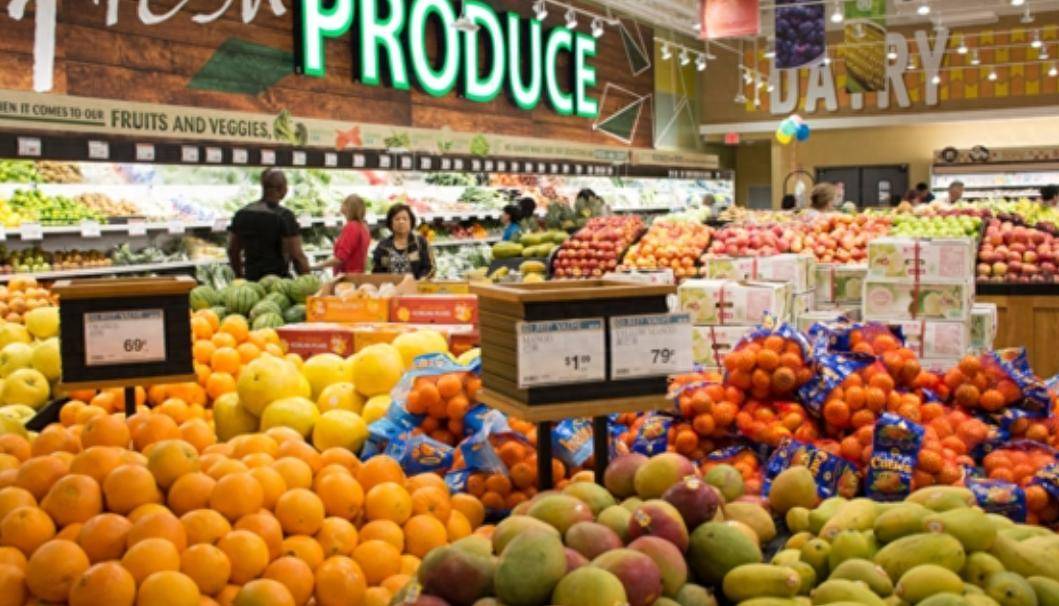
Food Industry - Food prices continue to rise, but the rate of increase has slowed significantly, with a 2.7% year-over-year increase in September, down from a peak of 11.4% in 2022. Overall, food prices are more than 18% higher than in January 2022 [1] - Consumers' perception of food prices differs from statistical measures, as they focus on daily expenses, which continue to rise, leading to a persistent feeling of high costs despite overall inflation easing [1] Housing Market - Nearly three-quarters of Americans believe housing in their communities is becoming increasingly unaffordable, with the Atlanta Federal Reserve indicating that a household income of $121,400 is now required to afford a typical home, while the average household income is approximately $84,000 [3] - The housing market faces a significant shortfall, with Goldman Sachs estimating that an additional 4 million homes are needed to meet demand, exacerbated by a sharp decline in construction post-financial crisis and ongoing inventory shortages [5] - Home prices have increased by about 25% compared to 2019 levels, despite some recent declines, and mortgage rates have more than doubled from pandemic lows [5] Childcare Industry - Childcare costs are increasingly burdensome for families, with expenses potentially consuming 9% to 16% of median household income, sometimes exceeding costs for food and rent [6] - The average annual childcare cost for a child in the U.S. is projected to exceed $13,000 in 2024, representing a 30% increase since 2020 [9] Healthcare Sector - Healthcare costs are on the rise, with both employee premiums and out-of-pocket expenses increasing, leading many families to feel the pressure of high medical costs [8] - The introduction of new therapies, such as popular GLP-1 weight loss drugs, is contributing to rising healthcare expenses, alongside an aging population increasing demand for medical services [10] - Employer-sponsored health plan costs are expected to rise by as much as 7% by 2026 [10]