
分期商城

Search documents
监管部门调研“分期商城” 拆解四类平台:如何避雷高息陷阱
Nan Fang Du Shi Bao· 2026-02-01 15:13
Core Viewpoint - The new regulations for installment shopping platforms are leading to a potential industry reshuffle, with a focus on addressing issues such as data security, pricing, and consumer rights [1] Group 1: Marketing and Consumer Protection - Concerns about information leakage and protection have arisen, with consumers receiving unsolicited marketing communications [2] - Some marketing efforts may involve fraudulent activities where scammers impersonate legitimate platforms to deceive consumers [2] Group 2: Product Pricing and Configuration - Certain platforms are accused of inflating prices of physical goods, violating pricing laws and regulations [3] - The use of virtual goods and membership fees can lead to increased financing costs, drawing regulatory scrutiny [5] Group 3: Installment Services - Some platforms are reportedly hiding full payment options, coercing consumers into choosing installment payments [6] - There is a need for clear communication regarding interest rate risks, especially since many consumers may have poor credit histories [7] - Platforms must demonstrate strong risk control capabilities to ensure long-term stability [7] Group 4: Product Recovery - The establishment of product recovery channels can inadvertently cross into "disguised lending" territory [9] - Users may face high fees when attempting to recover funds through third-party services, complicating the financial landscape [9] Group 5: Consumer Awareness - Consumers are categorized into two groups: those with genuine consumption needs and those seeking loans disguised as purchases [10] - Platforms must be transparent about their qualifications and operational integrity to protect consumers from scams [10] Group 6: Types of Installment Platforms - Large e-commerce platforms that offer installment payment options typically have robust risk management systems [12] - Platforms targeting users with poor credit often provide a wide range of products but must have effective consumer protection mechanisms [13] - Some platforms operate in a gray area, effectively offering high-interest loans under the guise of installment shopping [14] - Malicious platforms that engage in fraudulent practices often change their operational structures to evade regulation [15]
“分期商城”暗藏高息套现风险 有的实际融资成本超60%
Di Yi Cai Jing· 2026-01-22 09:13
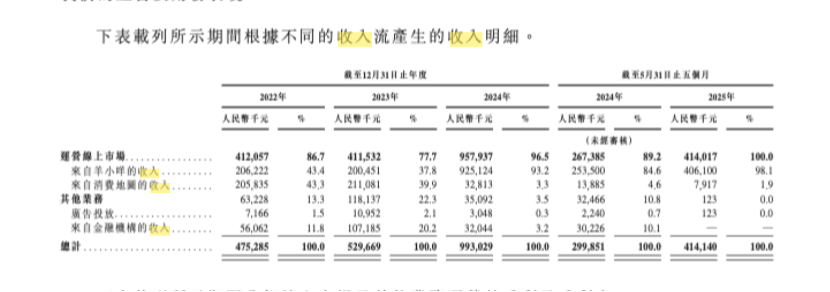
Core Insights - The article discusses the shift of several lending platforms towards "installment malls" as a new business direction following regulatory crackdowns on previous high-interest lending practices. However, significant price markups on products have been observed, leading to consumer costs that exceed market levels [1][2][5]. Group 1: Business Model and Pricing - Many installment malls, such as Xiaoxiang Youpin and Yangxiaomiao, have been found to sell high-demand products like iPhones and premium liquor at prices significantly above market rates, with some instances showing price differences exceeding 4,000 yuan [2][3]. - For example, an iPhone 17 Pro sold for 17,000 yuan without installment options costs 18,000 yuan with installments, while the same product on a mainstream e-commerce platform costs only 14,000 yuan [2]. - The pricing strategy often includes hidden fees through membership services, which can lead to ongoing charges without consumer awareness [3][4]. Group 2: Compliance and Regulatory Concerns - The industry is under scrutiny as the business model may be interpreted as disguised lending, which could lead to regulatory actions against platforms if deemed non-compliant [1][5]. - Platforms are attempting to balance compliance with market pricing to avoid user complaints and regulatory attention, emphasizing the importance of transparent pricing and diverse product offerings [4][8]. - The emergence of a hidden recovery chain, where third-party recovery agents contact consumers post-purchase, raises concerns about consumer privacy and potential facilitation of cash-out transactions [5][7]. Group 3: Financial Performance and Growth - The financial data from companies like Quantitative Group indicates significant revenue growth after transitioning to consumer e-commerce, with revenues projected to rise from 475 million yuan in 2022 to nearly 1 billion yuan by 2024 [9][10]. - The gross margin for platforms like Yangxiaomiao has remained high, with figures reported at 88.1% in 2022 and expected to reach 97.5% by 2024 [11][12]. - The profitability of these platforms is attributed to the sales margin on self-operated products and commissions from third-party sellers, with average commission rates ranging from 1% to 5% [13].

助贷新规后有助贷平台转向分期商城 “高价卖货+回收变现”藏套路
经济观察报· 2025-12-19 09:02
Core Viewpoint - The article discusses the rising trend of installment shopping malls, highlighting their pricing strategies and the impact of regulatory changes on the lending industry [1][2][3]. Group 1: Installment Shopping Malls - Installment shopping malls generally sell products at a price that is over 30% higher than the market price, combined with a service fee rate of up to 24% per annum, which forms their primary profit model [1][3]. - Some installment malls have established a closed-loop system from shopping to recycling, allowing users to purchase high-priced items and then sell them back to recycling partners at a discount of 50% to 70% [1][3]. Group 2: Impact of Regulatory Changes - The implementation of new regulations by the National Financial Regulatory Administration has significantly affected the lending business, with some companies reporting a reduction in loan volumes by half [2]. - Smaller platforms, particularly those with outstanding receivables below 10 billion yuan, are facing severe challenges, leading to layoffs of 20% to 30% in some cases [2]. Group 3: Transition of Lending Companies - Many small lending companies are transitioning to installment shopping mall models, targeting customers who are unable to obtain credit from major platforms or are familiar with the installment shopping "tricks" [2][3]. - A specific example is the "Peach More" installment mall, which is operated by a third-party lending company and aims to provide a one-stop borrowing platform with various financial services [5][7]. Group 4: Pricing Discrepancies - The article provides examples of significant price discrepancies between products sold on installment malls and their prices on major e-commerce platforms, with some items being sold at prices that are more than double their market value [6][10]. - For instance, an Apple iPad Air is priced at 8,156 yuan on the installment mall, while it is available for 4,199 yuan on JD.com, indicating a substantial markup [6]. Group 5: Consumer Complaints - There are numerous complaints against installment malls like "Peach More" and "Little Elephant Premium," with issues ranging from high product prices to aggressive debt collection practices [14][15]. - The complaints highlight a pattern of users feeling misled about the true costs of products and the terms of repayment, with some users reporting that they were charged significantly more than the market price for items [14][15].

助贷新规后有助贷平台转向分期商城 “高价卖货+回收变现”藏套路
Jing Ji Guan Cha Wang· 2025-12-19 07:05
Core Viewpoint - The implementation of new regulations on internet lending has significantly impacted the business of lending companies, leading to reduced loan volumes and increased layoffs, particularly among smaller platforms [1][2]. Group 1: Impact of New Regulations - The new regulations require that the comprehensive financing costs for borrowers comply with judicial guidelines, resulting in a noticeable reduction in loan issuance, with some companies reporting a decrease of up to 50% [1]. - Smaller lending platforms, especially those with outstanding receivables below 10 billion, are facing severe challenges and are more likely to undergo layoffs, with some companies reducing their workforce by 20% to 30% [1]. Group 2: Shift to Installment Shopping - Many small lending companies are pivoting to installment shopping models, targeting customers who cannot obtain credit from major platforms or are on blacklists [1][2]. - The primary profit model for these installment shopping platforms involves selling goods at prices that are 30% higher than market rates, combined with service fees of up to 24% annual interest [2]. Group 3: Pricing Discrepancies - A specific example is the "Peach More" platform, which offers products at significantly inflated prices compared to other e-commerce platforms, such as an iPad priced at 8,156 yuan while it retails for 4,199 yuan on JD.com [4]. - The installment payment options provided by these platforms result in effective annual interest rates exceeding 100% when calculated against the actual market prices [4]. Group 4: Consumer Complaints - There are thousands of complaints against platforms like "Peach More" and "Little Elephant Premium," primarily concerning high prices and aggressive collection practices [10][11]. - Users have reported issues with high-interest loans disguised as installment purchases, with some claiming that products were shipped without the option for returns [11]. Group 5: Market Dynamics - The emergence of platforms like "Peach More" and "Little Elephant Premium" reflects a broader trend in the lending industry, where companies are adapting to regulatory pressures by exploring new business models [12]. - The success of these platforms is partly driven by the recent IPO of Quantum Data Science, which has inspired smaller lending companies to pursue similar transformations [12].