iPhone17Pro

Search documents
当马年品牌短片只剩“谐音梗”...
3 6 Ke· 2026-02-06 00:48
Core Viewpoint - The article critiques the trend of brands using horse-themed puns and celebrity endorsements during the Year of the Horse, suggesting that this approach lacks creativity and depth, ultimately leading to consumer fatigue and diminishing returns for brand equity [5][12][20]. Marketing Strategy Analysis - The marketing strategy of using horse-related celebrities is seen as a formulaic approach driven by commercial logic rather than genuine creativity, making it easily replicable and less impactful [6][10]. - Initial campaigns featuring celebrities like Ma Sichun and Ma Yili generated positive responses due to their novelty, but subsequent imitations led to a significant decline in effectiveness [8][12]. - Brands like Tmall Health and Mengniu are criticized for failing to create meaningful connections between their products and the celebrity endorsements, resulting in superficial advertising that lacks substance [10][12]. Emotional Engagement - The article contrasts the shallow emotional engagement of the horse-themed ads with the deeper storytelling found in Apple's annual Chinese New Year short films, which resonate with audiences on a personal level [13][18]. - Apple's approach focuses on authentic emotional expression rather than gimmicky marketing tactics, allowing for a more profound connection with consumers [18][20]. Long-term Brand Value - The article emphasizes the importance of creating sustainable brand narratives that can endure over time, rather than relying on fleeting trends or gimmicks [21]. - It argues that the true challenge in the AI-driven advertising landscape is to maintain authenticity and depth in storytelling, which cannot be easily replicated by technology [20][21].





彭博:创纪录业绩难掩转型紧迫性 苹果亟需“AI优先”战略
Feng Huang Wang· 2026-02-02 01:51
Core Viewpoint - Apple achieved record performance in the holiday quarter, but the urgency for an AI transformation is evident, necessitating a rethinking of its hardware and operating systems with an "AI-first" approach [1][2][3] Group 1: iPhone 17 Pro Success - The iPhone 17 Pro's success is attributed to its new design, long battery life, excellent performance, and attractive colors, effectively meeting key consumer demands [1] - The release strategy for the iPhone 17 was cautious, avoiding half-baked AI features and unfulfilled promises, contrasting sharply with the previous year's iPhone 16 series, which was misleadingly labeled as "AI-ready" [1] Group 2: AI Transformation Necessity - Despite strong iPhone sales, Apple lags significantly in generative AI technology compared to competitors in Silicon Valley, making long-term sales performance less meaningful without a major transformation [2][4] - The future tech landscape will be redefined by AI, and Apple must shift from an app-centric model to one driven by voice interaction and AI agents [3] Group 3: Leadership and Strategy Challenges - Apple's leadership, particularly CEO Tim Cook, has not articulated a bold AI vision, and past decisions, such as hiring John Giannandrea to lead AI efforts, are now seen as significant missteps [4] - The current ecosystem, built around apps and manual operations, risks becoming outdated as user expectations shift towards AI-driven experiences [3][4] Group 4: Competitive Landscape - Meta is significantly ahead in AI, having developed internal technologies and launched AI products like Ray-Ban smart glasses, demonstrating a commitment to AI-native hardware [5] - OpenAI poses a substantial threat, actively recruiting from Apple and showcasing strong AI capabilities, with ambitions to enter the hardware market [6][7] Group 5: Strategic Recommendations - Apple must build a sustainable and autonomous AI system internally, relying on its own high-end chip-powered server clusters for computational support, rather than depending on competitors like Google [8] - Attracting and retaining top AI talent is crucial, and Apple must recognize that hardware excellence alone will not suffice against AI-centric competitors [8]

290亿美元砸出“新未来”:AT&T(T.US)大举并购光纤与频谱,2026年利润指引超预期
Zhi Tong Cai Jing· 2026-01-28 12:53
Group 1: Financial Performance - AT&T reported Q4 revenue growth of 3.7% to $33.5 billion, exceeding analyst expectations of $32.8 billion [1] - Adjusted earnings per share increased to $0.52, surpassing the expected $0.46 [1] - Adjusted EBITDA for Q4 was $11.2 billion, higher than the anticipated $11.1 billion [1] Group 2: User Growth and Market Competition - The company added 421,000 wireless users in Q4, below Wall Street's expectation of 440,000 [1] - AT&T's strategy relies heavily on customers purchasing multiple products, such as mobile plans and home internet services [1] - The company launched various promotions to attract new customers and retain existing ones, including trade-in offers for the latest iPhone 17 Pro [1] Group 3: Internet Services - AT&T's fixed wireless internet service, Internet Air, added 221,000 users in Q4, falling short of the expected 272,000 [2] - The company is the first major U.S. telecom operator to report financial results, with Verizon and T-Mobile set to report later [2] Group 4: Future Outlook - AT&T's annual profit guidance exceeds market expectations, with projected adjusted earnings per share for 2026 between $2.25 and $2.35, above the expected $2.21 [2] - The company's infrastructure strategy includes significant acquisitions, such as the nearly $6 billion purchase of Lumen's consumer fiber business and a $23 billion acquisition of EchoStar's spectrum licenses [3] - AT&T anticipates free cash flow will exceed $21 billion by 2028, higher than the analyst expectation of $19.61 billion [4] Group 5: Organizational Changes - Starting Q1 2026, AT&T will restructure its reporting segments into three parts: a new "Advanced Connectivity" division, traditional services, and Latin America operations [4]

“分期商城”暗藏高息套现风险
Di Yi Cai Jing Zi Xun· 2026-01-23 02:18
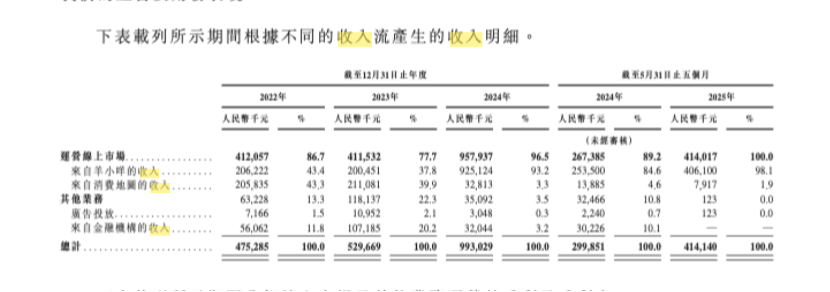
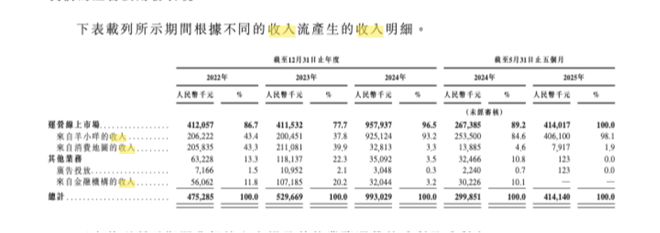
Core Insights - The article discusses the shift of several lending platforms towards "installment malls" as a new business model following regulatory crackdowns on previous high-interest lending practices. However, significant price markups on products have been observed, leading to higher costs for consumers compared to market prices [2][3][4]. Group 1: Business Model and Pricing - Multiple lending platforms, including Xiaoxiang Youpin and Yangxiaomiao, are entering the installment mall business, with high-demand products like iPhones and premium liquor often priced above market rates [3][4]. - For instance, an iPhone 17 Pro priced at 17,000 yuan in a non-installment sale costs 18,000 yuan when purchased in installments, while the same product is available for 14,000 yuan on mainstream e-commerce platforms, indicating a markup of over 4,000 yuan [3]. - The pricing discrepancies are widespread, with some products showing price differences of 200 to 400 yuan compared to major e-commerce sites [3][4]. Group 2: Consumer Experience and Feedback - Users have reported that after purchasing items through these platforms, they are often contacted by third-party recyclers offering to buy back the products at a significant discount, effectively creating a "sales-recovery" loop [4][6]. - For example, a consumer reported paying 5,257 yuan for gold on one platform but only receiving 4,140 yuan upon attempting to sell it back [4][6]. - The platforms often do not directly engage in recovery services, yet a hidden recovery chain has emerged, raising concerns about consumer privacy and the potential for disguised cash lending [6][8]. Group 3: Regulatory and Compliance Challenges - Industry analysts warn that if these installment malls are deemed to be lending under the guise of consumer sales, they could face regulatory shutdowns, and associated licensed institutions may also be held accountable [2][5]. - The legal landscape is evolving, with courts beginning to reject high-markup installment models, as seen in a case where a court ruled against a platform for charging excessive fees on a product priced above market value [16]. - Compliance is a critical consideration for these platforms, with many focusing on aligning product pricing with market levels to avoid regulatory scrutiny [5][16]. Group 4: Financial Performance and Profitability - The operational entities behind these installment malls are often linked to lending businesses, with some platforms showing significant revenue growth after transitioning to this model. For instance, a company reported revenue growth from 475 million yuan in 2022 to 530 million yuan in 2023, with projections of nearly 1 billion yuan by 2024 [9][13]. - The gross margins for some platforms remain high, with one platform reporting gross margins of 88.1% to 97.5% from 2022 to 2025 [11][13]. - The profitability is driven by both the markup on self-operated products and commissions from third-party sellers, with average commission rates ranging from 1% to 5% [13][14].

“分期商城”暗藏高息套现风险
第一财经· 2026-01-23 02:11
Core Viewpoint - The article discusses the emergence of "installment malls" as a new direction for several lending platforms following regulatory crackdowns on previous high-interest lending practices. However, it highlights significant price premiums in product pricing, leading to consumer costs that exceed market levels [3][4][5]. Group 1: Emergence of Installment Malls - Multiple lending platforms, including Xiaoxiang Youpin, Yangxiaomiao, Taoduoduo, and Luyouxuan, are shifting towards installment mall business models due to concentrated complaints [4]. - High-demand products like iPhones, gold, and Moutai are often priced significantly above market rates in these installment malls, with price differences reaching thousands of yuan [4][5]. - For instance, an iPhone 17 Pro priced at 17,000 yuan without installment costs 18,000 yuan with installment, while the same product costs only 14,000 yuan on mainstream e-commerce platforms [4]. Group 2: Pricing and Profit Margins - The article reveals that some platforms have high gross margins, with certain products showing gross margins exceeding 90% [3][4]. - Platforms like Xiaoxiang Youpin have introduced membership services that indirectly increase profits, with users often unaware of ongoing fees [5][6]. - The industry is focusing on compliance, with platforms aiming to align product pricing with market levels to avoid regulatory scrutiny [6]. Group 3: Hidden Recovery Chains - Despite claims of not engaging in recovery services, many platforms have formed hidden recovery chains, where third-party recovery agents contact consumers post-purchase to offer cash-out options [7][8]. - Users have reported receiving unsolicited offers to cash out their installment limits, often at steep discounts [8][9]. - This practice raises concerns about consumer privacy and the potential for facilitating cash-out transactions, which could lead to regulatory issues [8][9]. Group 4: Financial Performance and Growth - The financial data from companies like Quantitative Group indicates significant revenue growth after transitioning to consumer e-commerce, with revenues projected to rise from 4.75 billion yuan in 2022 to 9.93 billion yuan in 2024 [13]. - The gross margin for platforms like Yangxiaomiao has remained high, with figures reported at 88.1% in 2022 and expected to reach 97.5% by 2025 [15]. - The revenue from self-operated product sales and third-party store commissions contributes to the profitability of these platforms, with average commission rates between 1% and 5% [17]. Group 5: Regulatory Risks and Compliance - The article emphasizes the regulatory risks associated with high-price installment models, which could be classified as disguised lending if not properly managed [18][19]. - Recent judicial rulings have begun to challenge high-price installment practices, indicating a shift in legal perspectives on consumer protection [19]. - Industry insiders stress the importance of compliance design, including maintaining market-aligned pricing and separating sales from recovery roles to avoid regulatory pitfalls [20].

“分期商城”暗藏高息套现风险 有的实际融资成本超60%
Di Yi Cai Jing· 2026-01-22 09:13
Core Insights - The article discusses the shift of several lending platforms towards "installment malls" as a new business direction following regulatory crackdowns on previous high-interest lending practices. However, significant price markups on products have been observed, leading to consumer costs that exceed market levels [1][2][5]. Group 1: Business Model and Pricing - Many installment malls, such as Xiaoxiang Youpin and Yangxiaomiao, have been found to sell high-demand products like iPhones and premium liquor at prices significantly above market rates, with some instances showing price differences exceeding 4,000 yuan [2][3]. - For example, an iPhone 17 Pro sold for 17,000 yuan without installment options costs 18,000 yuan with installments, while the same product on a mainstream e-commerce platform costs only 14,000 yuan [2]. - The pricing strategy often includes hidden fees through membership services, which can lead to ongoing charges without consumer awareness [3][4]. Group 2: Compliance and Regulatory Concerns - The industry is under scrutiny as the business model may be interpreted as disguised lending, which could lead to regulatory actions against platforms if deemed non-compliant [1][5]. - Platforms are attempting to balance compliance with market pricing to avoid user complaints and regulatory attention, emphasizing the importance of transparent pricing and diverse product offerings [4][8]. - The emergence of a hidden recovery chain, where third-party recovery agents contact consumers post-purchase, raises concerns about consumer privacy and potential facilitation of cash-out transactions [5][7]. Group 3: Financial Performance and Growth - The financial data from companies like Quantitative Group indicates significant revenue growth after transitioning to consumer e-commerce, with revenues projected to rise from 475 million yuan in 2022 to nearly 1 billion yuan by 2024 [9][10]. - The gross margin for platforms like Yangxiaomiao has remained high, with figures reported at 88.1% in 2022 and expected to reach 97.5% by 2024 [11][12]. - The profitability of these platforms is attributed to the sales margin on self-operated products and commissions from third-party sellers, with average commission rates ranging from 1% to 5% [13].
“分期商城”暗藏高息套现风险,有的实际融资成本超60%
Di Yi Cai Jing Zi Xun· 2026-01-22 09:08
Core Viewpoint - The rise of installment shopping malls is seen as a new direction for many lending platforms after regulatory crackdowns on previous high-interest lending models. However, significant price premiums on products have been reported, leading to consumer costs that far exceed market levels [1][2]. Group 1: Industry Trends - Multiple lending platforms, including Xiaoxiang Youpin, Yangxiaomiao, and Taoduoduo, are entering the installment shopping mall business, which has gained public attention due to concentrated complaints [2]. - High liquidity products like iPhones and premium liquor are commonly sold at these malls, often at prices significantly above market rates. For instance, an iPhone 17 Pro is priced at 18,000 yuan in installments, while the same product costs only 14,000 yuan on mainstream e-commerce platforms, showing a price difference of over 4,000 yuan [2]. - The industry is shifting towards installment malls as a response to stricter regulations and pressure on traditional lending models, with many platforms actively researching and implementing this business model [3][4]. Group 2: Pricing and Profitability - There is a widespread phenomenon of price premiums in installment malls, with some platforms charging significantly more than competitors. For example, a well-known liquor brand is priced at 1,752 yuan in installments on one platform, compared to 1,364 yuan on a leading e-commerce site [2]. - Platforms are also using membership services to indirectly increase profits, such as Xiaoxiang Youpin's "Plus Platinum Membership," which charges a monthly fee for reduced service fees during installments [3]. - The average gross margin for platforms like Yangxiaomiao has remained high, with reported margins of 88.1% in 2022 and projected to reach 96.7% in the first five months of 2025 [10]. Group 3: Compliance and Regulatory Challenges - The industry faces significant compliance challenges, as high pricing models may be interpreted as disguised lending practices. Regulatory scrutiny is increasing, and platforms must ensure that product pricing aligns closely with market levels to avoid complaints and regulatory action [1][4][15]. - The emergence of a hidden recovery chain, where third-party recovery agents contact consumers post-purchase, raises concerns about consumer privacy and the potential for facilitating cash-out transactions [6][7]. - Legal precedents are beginning to challenge high-price installment models, with courts ruling against platforms that impose excessive fees on overpriced products, indicating a need for compliance-focused business designs [15].
华为手机“上新”,nova15系列发布
Zheng Quan Shi Bao Wang· 2025-12-22 10:36
Group 1 - Huawei launched the nova15 series smartphones, including nova15, nova15Pro, and nova15Ultra, starting at a price of 2699 yuan [1] - The nova15 features the Kirin 9010s chip, HarmonyOS6, a thickness of 6.9mm, and a 6500mAh battery, with the Ultra version supporting 50W wireless charging [1] - Huawei regained the top position in the Chinese smartphone market with market shares of 27.81% and 22.89% in consecutive weeks, surpassing major competitors like Apple [1] Group 2 - Apple initiated a year-end price reduction for iPhone17Pro and iPhone17Pro Max by 300 yuan, while Huawei also announced discounts on its Pura X foldable phone [2] - The high-end smartphone market is experiencing price adjustments due to rising raw material costs, allowing companies like Apple and Huawei to leverage their pricing strategies [2] - The foldable smartphone market is expected to see intensified competition with Apple's future entry, as Huawei currently holds about 70% of the domestic foldable screen market [2][3]
海南封关买40克金饰省1万?网友:订机票!
Xin Lang Cai Jing· 2025-12-22 05:22
Core Viewpoint - The recent implementation of the "zero tariff" policy for imported vehicles in Hainan has generated significant public interest, particularly regarding its implications for consumers and businesses [3][5][10]. Group 1: Zero Tariff Policy for Imported Vehicles - The "zero tariff" policy allows eligible imported vehicles to be exempt from customs duties, value-added tax, and consumption tax, significantly reducing vehicle prices [3][5]. - For example, a Toyota Hiace valued at 227,000 yuan had tax exemptions of approximately 84,000 yuan, resulting in a price reduction of nearly 40% [3][5]. - However, this policy is limited to enterprises engaged in transportation and tourism in Hainan, and personal purchases are not permitted [5][6]. Group 2: Conditions for Eligibility - Vehicles must be used for operations and equipped with satellite positioning systems connected to regulatory networks [6]. - The vehicle's origin and destination must include at least one location within the Hainan Free Trade Port, and it must not stay in mainland China for more than 120 days annually [6][8]. - Enterprises must meet specific criteria, such as operating for over three years with a fleet of at least 15 vehicles or importing more than ten "zero tariff" vehicles at once [6][8]. Group 3: Consumer Impact and Market Response - The introduction of the "zero tariff" policy has led to a surge in consumer interest, with many looking to book flights to Hainan [10][15]. - The Hainan government is also distributing consumer vouchers, which can further reduce prices on various products, including gold and electronics [10][12]. - For instance, a 40-gram gold ornament can save consumers over 8,000 yuan when combined with government vouchers [10][12]. Group 4: Tourism and Travel Trends - Flight bookings to Hainan have increased significantly, with over 720,000 tickets sold for the upcoming New Year holiday, marking a 10% year-on-year growth [15][17]. - Popular routes include flights from Beijing, Chengdu, and Shanghai, with some tickets exceeding 2,000 yuan [17][47]. - The international flight bookings to Hainan have also seen a notable increase, with a 40% rise in international ticket reservations for the holiday period [17][47]. Group 5: Broader Implications of Hainan's Free Trade Port - The full closure of Hainan's Free Trade Port aims to create a special customs area, enhancing trade and travel convenience [20][52]. - The policy allows for a broader range of zero-tariff goods, expanding from 21% to 74%, covering over 6,600 products [53][54]. - The initiative is expected to boost economic opportunities and attract international resources, positioning Hainan as a significant hub for trade and tourism [28][60].

海南封关首日:30克金饰省近万元,居民排长队买榴莲
中国基金报· 2025-12-20 16:09
Core Viewpoint - The official launch of the Hainan Free Trade Port's full island closure on December 18 has led to a significant increase in consumer activity, particularly in duty-free shopping, with notable sales in electronics and gold products [1][8]. Duty-Free Sales Performance - On the first day of the closure, Sanya's total duty-free sales reached 118 million yuan, with a 60% increase in foot traffic to Sanya International Duty-Free City and an 85% increase in sales year-on-year [1]. - Apple and Huawei stores experienced long queues, with the iPhone 17 Pro Max priced at 9,299 yuan, 700 yuan cheaper than on Taobao, and the iPhone 17 Pro at 8,219 yuan, 780 yuan lower than the official website [3][4]. - Huawei's Mate X6 was priced at 10,899 yuan, over 1,000 yuan cheaper than Taobao, with potential savings of around 1,700 yuan when using government consumption vouchers [4]. Gold Products Popularity - Duty-free gold products are also seeing high demand, with the price at 1,187 yuan per gram, compared to the market price of 1,353 yuan, resulting in a difference of 166 yuan per gram [6]. - A consumer purchasing a 30-gram gold item could save approximately 9,116 yuan compared to market prices, after applying discounts and government vouchers [7]. Fresh Fruit Sales - The first batch of Malaysian durians sold out within an hour at a supermarket in Haikou, showcasing the strong consumer interest in imported goods following the closure [8]. Air Travel Trends - There has been a notable increase in flight bookings to Hainan for the upcoming New Year holiday, with over 720,000 tickets sold, a 10% year-on-year increase [9]. - Flight bookings to Haikou and Sanya have increased by 19% and 51% respectively, indicating a strong demand for travel to the region [11].