剧场

Search documents
老照片:四十年代老北京珠市口路口,城南的“金十字”,雅与俗、贫与富的分水岭
Sou Hu Cai Jing· 2026-02-25 08:27
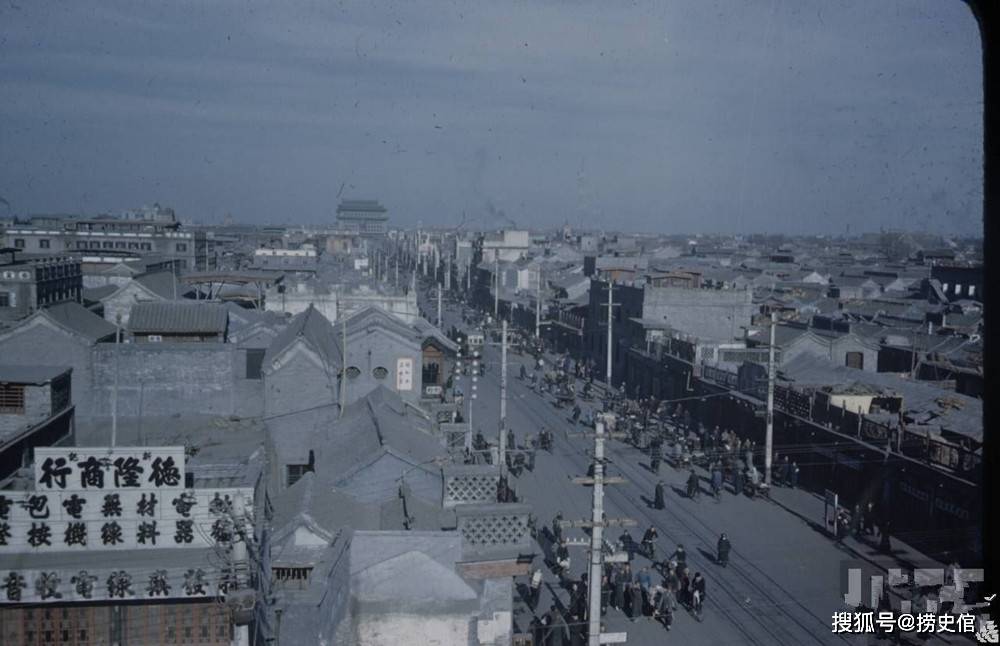
Transportation and Layout - Zhu Shi Kou is a significant intersection in Beijing, marking the convergence of the central axis and the east-west Zhu Shi Kou Street, serving as a vital traffic artery in the southern part of the city [1] - The area is characterized by a wide road and heavy pedestrian and vehicular traffic, making it a central hub for commercial activities in the Qianmen area [1] Cultural Venues - The Kai Ming Theatre, located at the southwest corner of the intersection, was one of the most famous modern theaters, designed in a German style by architect Shen Liyuan, and hosted significant cultural performances, including a notable one by Mei Lanfang in 1924 [1] - Zhu Shi Kou Christian Church, a Gothic-style building established in 1904, stood out as a prominent landmark in the area, representing Western culture along the central axis [1] Dining and Social Gathering - Fengze Garden Restaurant, located at the northwest corner, was renowned for its Shandong cuisine and served as a gathering place for the upper class and celebrities [2] - Sen Tai Tea House and Yong An Tea House, located at the southeast and southwest corners respectively, were well-known tea shops that thrived during this period [3] Social and Cultural Distinctions - The division between "Dao Er Bei" (north of Zhu Shi Kou) and "Dao Er Nan" (south of Zhu Shi Kou) represented a core social and cultural characteristic of the area in the 1940s [4] - "Dao Er Bei" was synonymous with prosperity and elegance, housing the best shops and theaters, frequented by wealthy individuals and social elites, while "Dao Er Nan" was associated with the common people and poverty, characterized by street performances and low-cost entertainment [4] Commercial Environment - The area around the intersection was bustling with various shops, including silk stores, pharmacies, restaurants, and tea houses, reflecting a vibrant marketplace atmosphere [4] - The presence of small vendors and artisans contributed to the lively street culture, with notable establishments like Yili Bakery, founded in 1906, being well-known among locals [4]

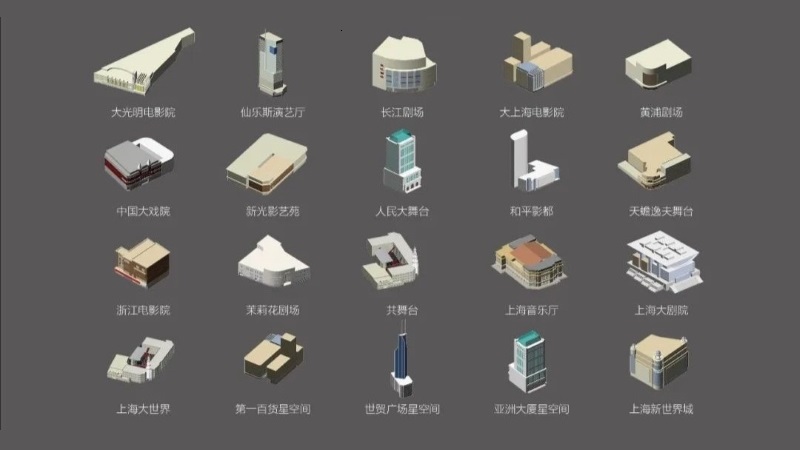
剧场集聚的上海人民广场,建筑与街道如何优化利用?
Di Yi Cai Jing· 2025-05-21 00:34
Core Insights - The article discusses the transformation of theaters into urban cultural spaces that are more interactive and accessible, reflecting changes in audience behavior and consumption patterns [1][2][5] Group 1: Theater Transformation - Industry professionals gathered to discuss the transformation of theaters and the development of concentrated theater areas, emphasizing the need for theaters to evolve into spaces that are readable, walkable, and touchable [1] - The research conducted by Liu Xia highlights the importance of optimizing the audience experience through architectural design and urban planning, focusing on the interaction between theater buildings and their surrounding street spaces [2][4] Group 2: Comparative Analysis - Liu Xia's comparative study of theaters in Madrid, Paris, and Shanghai reveals that while Madrid and Paris have vibrant theater areas, they are not mainstream tourist destinations, unlike Shanghai's People's Square, which attracts both theatergoers and tourists [5] - The analysis indicates that theaters in Shanghai often experience low foot traffic during non-performance times, suggesting a need for better integration with the surrounding urban environment to maintain audience engagement [5][6] Group 3: Community Integration - Experts at a recent salon discussed the potential for theaters to integrate more deeply with their communities, citing examples like a repurposed church in Cork, Ireland, which maximizes cultural impact through diverse space utilization [7] - The proximity of theaters in the People's Square area presents opportunities for connecting performances with dining and leisure activities, enhancing the overall cultural experience for visitors [7][8] Group 4: Architectural Challenges - The renovation of historical theaters, such as the Tianchan Yifu Stage, faces unique architectural challenges, including limited space for loading and unloading, which must be addressed to improve functionality [8]