卫星监测

Search documents
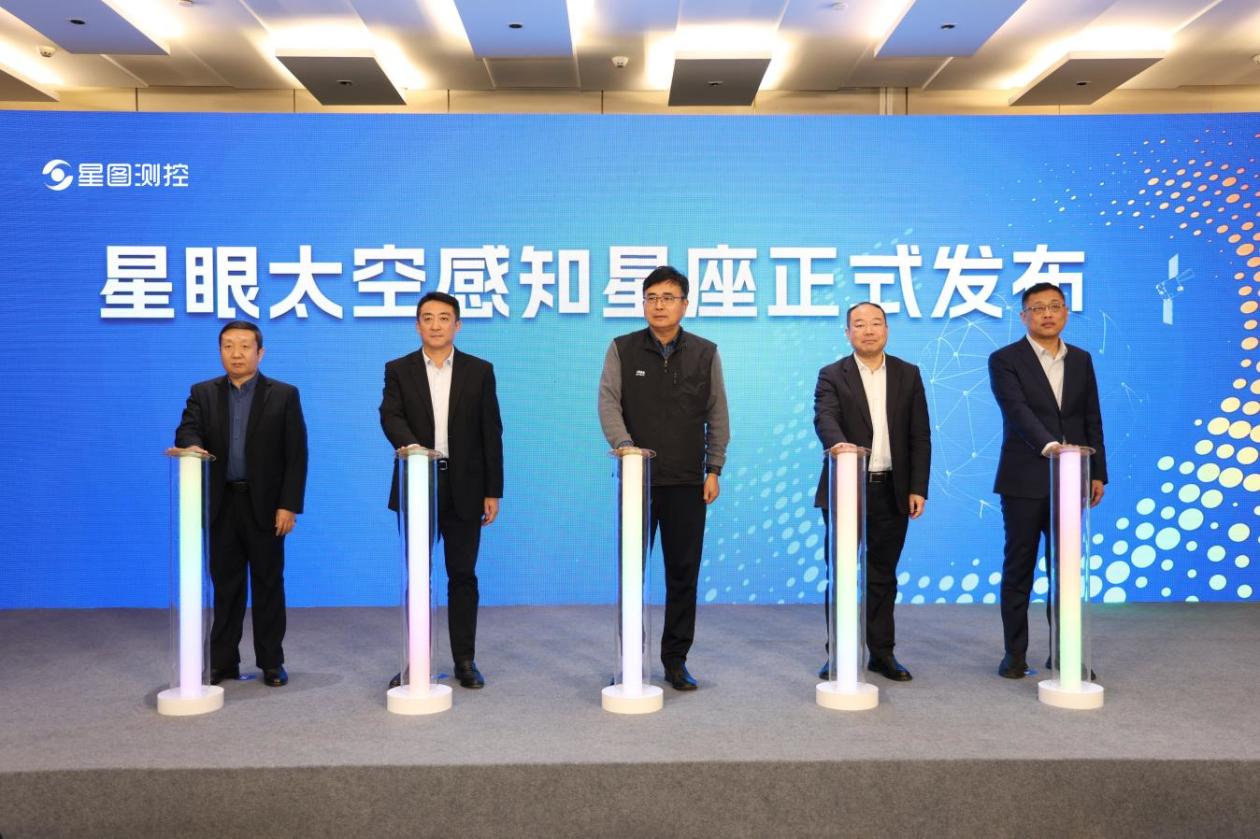
如何为太空交通做“导航”?“星眼”太空感知星座计划发布
Huan Qiu Wang· 2025-11-28 10:09
Core Viewpoint - The increasing frequency of human space activities has led to a rise in space debris, necessitating enhanced protection for spacecraft and the development of space situational awareness capabilities to safeguard in-orbit assets and optimize orbital resource utilization [1][5]. Group 1: Space Debris and Risks - Space debris includes all non-functional man-made objects in orbit, with over 44,000 large debris pieces tracked as of 2024, and an estimated 1 million pieces larger than 1 cm posing potential threats to spacecraft [3]. - The kinetic energy of these debris pieces, traveling close to the first cosmic speed (approximately 7.9 km/s), can cause significant damage to spacecraft, ranging from surface damage to system failures or explosions [3]. Group 2: "Star Eye" Space Awareness Constellation - The "Star Eye" space awareness constellation, developed by China Aerospace Science and Technology Corporation, consists of 156 satellites aimed at creating a global near-Earth orbit monitoring network to enhance safety for space activities and innovate space management services [1][4]. - The constellation will utilize various advanced technologies, including wide-field cameras, infrared cameras, and AI-driven collision avoidance systems, to track and analyze potential collision risks between satellites and space debris [3][6]. Group 3: Future Development and Commercialization - The initial phase of the "Star Eye" project plans to launch 12 satellites by mid-next year, with a second phase involving 144 additional satellites to enhance low-cost observational capabilities [4]. - The National Space Administration's recent action plan emphasizes the need for space debris monitoring and collision warning systems, indicating a supportive regulatory environment for the commercial space sector [5]. - The commercial applications of the "Star Eye" constellation include space traffic management, debris monitoring, and lifecycle safety support for spacecraft, which could significantly improve operational reliability and success rates for satellite operators [6].