
太空云

Search documents
马斯克超级综合体:SpaceX+xAI……+特斯拉?
Hua Er Jie Jian Wen· 2026-02-04 04:02
Core Insights - SpaceX has acquired xAI, with a combined valuation of approximately $1.25 trillion, consisting of $1 trillion for SpaceX and $250 billion for xAI [1] - Elon Musk aims to create a vertically integrated innovation engine to accelerate human progress through AI applications powered by solar energy [1] - The market is now speculating about a potential merger between Tesla and SpaceX/xAI, with contract probabilities on Polymarket increasing from 15% to 24% [1] Group 1: Acquisition Details - SpaceX's acquisition of xAI is strategically timed with its planned IPO in mid-2023 [1] - The share exchange ratio for the merger is set at 0.1433 shares of SpaceX for each share of xAI [5] - Tesla has invested $2 billion in xAI, highlighting its focus on AI-related opportunities such as Robotaxi and humanoid robots [4] Group 2: Market Reactions and Predictions - Analysts predict an increasing likelihood of Tesla merging with SpaceX/xAI in the next 12 to 18 months, as Musk seeks to control a larger AI ecosystem [4] - Social media speculation suggests Musk may acquire the stock ticker "X" from U.S. Steel as a preparatory step for the merger [4] Group 3: Capital Requirements and Integration Challenges - HSBC analysts indicate that capital needs may drive the potential merger, as Tesla plans to double its capital expenditures by 2026 [5] - The integration of SpaceX, xAI, and Tesla could be a solution to meet the substantial capital demands of their respective projects [5] - Concerns about valuation mismatches arise, with Tesla trading at approximately 200 times its projected 2026 earnings, while SpaceX is at nearly 400 times [7] Group 4: Business Logic Behind the Merger - The merger's rationale is rooted in the combination of computational power and energy, with SpaceX planning a "space cloud" of up to 1 million satellites to address power and cooling issues for AI data centers [8] - This strategic move aims to support SpaceX's ambitions in the public market and fund a satellite-based data center constellation [8]


【科技日报】“星眼”太空感知星座计划发布
Ke Ji Ri Bao· 2025-12-04 05:51
Core Viewpoint - The "Star Eye" space perception constellation plan aims to provide innovative solutions for space traffic management and establish a new model for space management services [1][2]. Group 1: Industry Context - The current era is marked by unprecedented activity in space, with a rapid increase in global satellite launches and the deployment of large-scale constellations, indicating a new phase of growth in commercial space [1]. - The increasing congestion in orbital space poses significant challenges, including a surge in space debris and heightened collision risks, threatening the sustainable development of the space environment [1]. Group 2: Company Initiative - The "Star Eye" space perception constellation consists of 156 satellites designed to create a global, responsive near-Earth orbit monitoring network [2]. - The company plans to launch 2 experimental satellites in the first half of 2026, followed by 10 engineering satellites in 2027, with additional enhancement and comprehensive satellites to be launched subsequently [2]. - Utilizing the company's independently developed "Observer" space information analysis platform and the space management service platform "Space Cloud," the "Star Eye" will track, orbit, and catalog on-orbit satellites, monitor space debris, analyze satellite orbit data, and predict collision risks, thereby providing precise and efficient space traffic management data services [2].

“星眼”太空感知星座计划发布
Ke Ji Ri Bao· 2025-12-03 23:27
Core Viewpoint - The "Star Eye" space perception constellation plan by Xingtou Measurement and Control Technology Co., Ltd. aims to provide innovative solutions for space traffic management and establish a new model for space management services [1][2]. Group 1: Industry Context - The current era is marked by unprecedented activity in space, with a rapid increase in global satellite launches and the deployment of large-scale constellations, indicating a new phase of growth in commercial space [1]. - The increasing congestion in orbital space poses significant challenges, including a surge in space debris and heightened collision risks, threatening the sustainable development of the space environment [1]. Group 2: Company Initiative - The "Star Eye" space perception constellation consists of 156 satellites designed to create a global, responsive near-Earth orbit monitoring network [2]. - The company plans to launch 2 experimental satellites in the first half of 2026, followed by 10 engineering satellites in 2027, with additional enhancement and comprehensive satellites to be launched subsequently [2]. - Utilizing the company's independently developed "Observer" space information analysis platform and the space management service platform "Space Cloud," "Star Eye" will track, determine orbits, and catalog on-orbit satellites, monitor space debris, analyze satellite orbit data, and predict collision risks, thereby providing precise and efficient space traffic management data services [2].
如何为太空交通做“导航”?“星眼”太空感知星座计划发布
Huan Qiu Wang· 2025-11-28 10:09
Core Viewpoint - The increasing frequency of human space activities has led to a rise in space debris, necessitating enhanced protection for spacecraft and the development of space situational awareness capabilities to safeguard in-orbit assets and optimize orbital resource utilization [1][5]. Group 1: Space Debris and Risks - Space debris includes all non-functional man-made objects in orbit, with over 44,000 large debris pieces tracked as of 2024, and an estimated 1 million pieces larger than 1 cm posing potential threats to spacecraft [3]. - The kinetic energy of these debris pieces, traveling close to the first cosmic speed (approximately 7.9 km/s), can cause significant damage to spacecraft, ranging from surface damage to system failures or explosions [3]. Group 2: "Star Eye" Space Awareness Constellation - The "Star Eye" space awareness constellation, developed by China Aerospace Science and Technology Corporation, consists of 156 satellites aimed at creating a global near-Earth orbit monitoring network to enhance safety for space activities and innovate space management services [1][4]. - The constellation will utilize various advanced technologies, including wide-field cameras, infrared cameras, and AI-driven collision avoidance systems, to track and analyze potential collision risks between satellites and space debris [3][6]. Group 3: Future Development and Commercialization - The initial phase of the "Star Eye" project plans to launch 12 satellites by mid-next year, with a second phase involving 144 additional satellites to enhance low-cost observational capabilities [4]. - The National Space Administration's recent action plan emphasizes the need for space debris monitoring and collision warning systems, indicating a supportive regulatory environment for the commercial space sector [5]. - The commercial applications of the "Star Eye" constellation include space traffic management, debris monitoring, and lifecycle safety support for spacecraft, which could significantly improve operational reliability and success rates for satellite operators [6].
商业航天大消息!太空“星眼”来了
Shang Hai Zheng Quan Bao· 2025-11-27 13:07
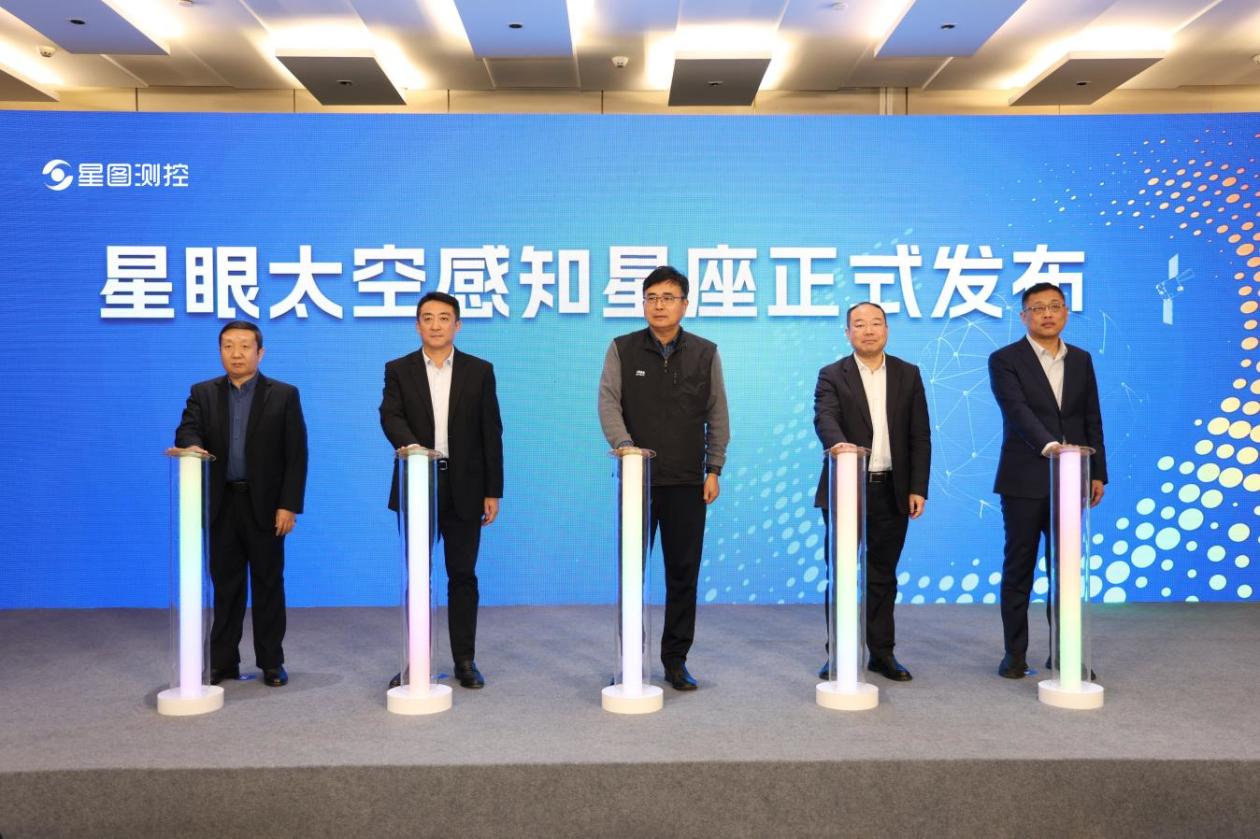
Core Viewpoint - The launch of the "Star Eye" space perception constellation plan by Xingtou Measurement and Control aims to address the challenges of space traffic management and create a new model for space management services [2][3]. Group 1: Space Traffic Management - The "Star Eye" constellation will provide comprehensive data services and support for commercial satellite operators, government, and research institutions throughout the satellite lifecycle, significantly enhancing the reliability and success rate of on-orbit missions [2][3]. - The constellation consists of 156 satellites designed to create a global, responsive monitoring network for near-Earth orbits, utilizing Xingtou Measurement and Control's self-developed "Observer" space information analysis platform [3][4]. Group 2: Collision Risk Mitigation - The "Star Eye" system will monitor satellites and space debris, analyze satellite orbital data, and predict collision risks, thereby providing precise and efficient space traffic management data services [3][6]. - The European Space Agency (ESA) reports over 50,000 pieces of space debris larger than 10 centimeters and approximately 1.2 million pieces between 1 and 10 centimeters, highlighting the urgent need for collision risk reduction [6][7]. Group 3: Future Developments and Opportunities - The first phase of the "Star Eye" project plans to launch a test satellite in the first half of 2026, with an initial backbone constellation of 12 high-performance satellites [3][4]. - The second phase aims to establish a low-cost enhancement constellation of 144 satellites, focusing on rapid cataloging and tracking of maneuvering and newly launched targets [4]. - The National Space Administration's action plan emphasizes the need for space debris monitoring and collision warning systems, indicating a growing demand for space perception services [7][8].
构筑太空安全新防线 星图测控正式发布“星眼”太空感知星座
Zheng Quan Ri Bao· 2025-11-27 07:36
Core Insights - The "Star Eye" space perception constellation plan was officially launched by China Science and Technology Star Map Control Technology Co., Ltd, aiming to create an innovative path for space traffic management and establish a new model for space management services [2] Group 1: Industry Challenges - The current space environment faces unprecedented challenges, including a rapid increase in the number of satellites in orbit, heightened collision risks, and threats to sustainable space development [2] - The importance of space situational awareness is increasingly highlighted as a foundational support for space safety, especially in the context of rising space debris and collision risks [2] Group 2: Company Initiatives - The "Star Eye" space perception constellation will consist of 156 satellites, designed to create a global, responsive near-Earth orbit monitoring network [2] - The constellation will utilize the company's independently developed "Observer" space information analysis platform and space management service platform, "Space Cloud," to track, catalog, and monitor satellites, analyze orbital data, and predict collision risks [2] Group 3: Commercial Value - The space perception constellation is becoming a key infrastructure in the commercial space era, with its core commercial value lying in building a complete ecosystem of "monitoring-warning-service" [3] - The "Star Eye" constellation, driven by AI capabilities, will provide satellite operators with rapid collision warnings and orbit determination, significantly reducing operational risks [3] - Commercial applications extend to three main areas: data services for space traffic management, insurance and risk assessment for quantifying collision probabilities, and launch window optimization for ensuring safety during rocket launches [3]
156星组网!太空碰撞风险加剧,太空感知星座计划发布
Guan Cha Zhe Wang· 2025-11-27 07:29
Core Viewpoint - The launch of the "Star Eye" space perception constellation by Xingtong Measurement and Control aims to provide new solutions for space traffic management amidst increasing satellite launches and collision risks in space [1][5]. Group 1: Industry Context - The global satellite launch frequency is rapidly increasing, with large-scale constellation deployments becoming mainstream, marking a robust development phase for commercial space [3]. - The space environment faces unprecedented challenges, with over 50,000 pieces of debris larger than 10 cm and approximately 1.2 million pieces between 1 cm and 10 cm, posing significant risks to operational satellites [3]. Group 2: Incident Background - Several incidents of space collisions have occurred, including damage to the Shenzhou-20 spacecraft and the Tianhe space station due to space debris, highlighting the urgent need for improved space safety measures [4]. Group 3: Government Initiatives - The national government emphasizes space safety through the "Action Plan for Promoting High-Quality and Safe Development of Commercial Space (2025-2027)," integrating commercial space into the overall national space development strategy [5]. Group 4: "Star Eye" Constellation Details - The "Star Eye" constellation consists of 156 satellites designed to create a global, responsive near-Earth orbit monitoring network, utilizing the "Observer" space information analysis platform for tracking and collision risk prediction [5][6]. - The constellation will be built in two phases: the first phase includes 12 high-performance satellites, while the second phase will add 144 low-cost satellites to enhance monitoring capabilities [6]. Group 5: Commercial Applications - The "Star Eye" constellation is positioned as a critical infrastructure for the commercial space era, providing a complete ecosystem for monitoring, early warning, and services, including space traffic management and collision risk assessment [7]. - Compared to ground-based observation methods, space-based perception offers significant advantages in coverage and detection efficiency, with ongoing developments from both domestic and international companies [7]. Group 6: Future Development Plans - Xingtong Measurement and Control plans to enhance space management service capabilities through increased R&D investment and collaboration with industry partners, contributing to a safer and more orderly space environment [8].
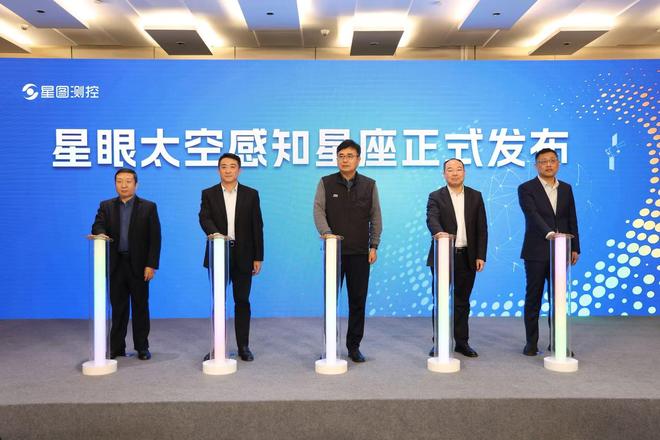
156星组网!太空碰撞风险加剧,星图测控太空感知星座计划发布
Guan Cha Zhe Wang· 2025-11-27 07:28
Group 1 - The "Star Eye" space perception constellation plan was officially launched by Xingtong Measurement and Control, aiming to provide new solutions for space traffic management [1] - The global satellite launch numbers are rapidly increasing, with large-scale constellation deployments becoming mainstream, leading to unprecedented challenges in the space environment [2] - The European Space Agency reported over 50,000 pieces of space debris larger than 10 cm, approximately 1.2 million pieces between 1 cm and 10 cm, and about 140 million pieces between 1 mm and 1 cm, posing significant collision risks [2] Group 2 - The "Star Eye" constellation consists of 156 satellites designed to create a global, responsive near-Earth orbit monitoring network, capable of tracking, cataloging, and analyzing satellite orbital data [4] - The construction of the constellation is divided into two phases: the first phase will establish a high-performance perception backbone with 12 satellites, while the second phase will add 144 satellites for enhanced low-cost perception [5] - The "Star Eye" constellation is positioned as a key infrastructure for the commercial space era, creating a complete ecosystem of monitoring, early warning, and service [6] Group 3 - Internationally, companies like NorthStar Earth & Space and Turion Space are developing their own satellite constellations for space situational awareness, while domestically, Xingtong Measurement and Control plans to launch experimental satellites by mid-2026 [7] - The development of space perception capabilities is crucial for collision warning and active avoidance, marking a step towards China becoming a space power and participating in future international space governance [7]
“星眼”发布!瞄准更安全的太空
Huan Qiu Wang Zi Xun· 2025-11-27 07:23
Core Insights - The company StarMap Control aims to become a global leader in space management services with the launch of its "Star Eye" space perception constellation plan, addressing the urgent need for innovative solutions in space traffic management [1][3] Industry Overview - The global interest in space exploration is increasing, with various commercial aerospace companies actively exploring industrial applications. The number of satellites is projected to rise from 12,000 to 57,000 in the next five years, highlighting a competitive landscape in the aerospace sector [1] - The space environment is facing unprecedented challenges due to an increase in space debris, with over 50,000 pieces larger than 10 centimeters currently in orbit, raising the risk of satellite collisions [1][3] Company Initiatives - StarMap Control's "Star Eye" constellation will consist of 156 satellites, with the first experimental satellites expected to launch in the first half of 2026. The initial phase will include a high-performance backbone constellation of 12 satellites, followed by a low-cost enhancement constellation of 144 satellites [3] - The company plans to provide tracking, orbit determination, and cataloging of satellites, monitor space debris, and predict collision risks, offering precise and efficient space traffic management data services [3] - StarMap Control also aims to provide space situational awareness data services to insurance companies and other third parties, promoting the healthy development of related industries [3][4]
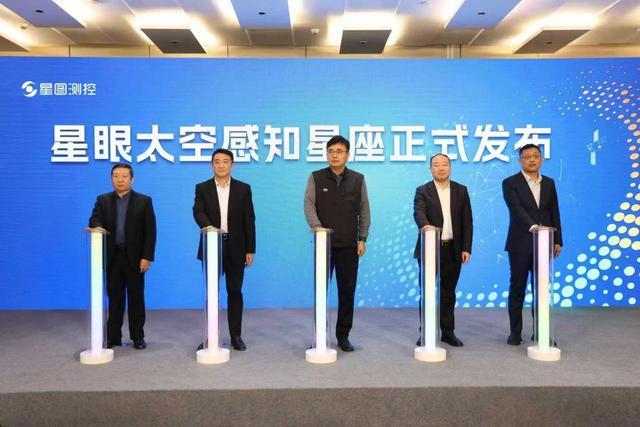
构筑太空安全新防线 星图测控“星眼”太空感知星座正式发布
Zheng Quan Shi Bao Wang· 2025-11-27 05:45
Core Insights - The "Star Eye" space perception constellation plan was officially launched by Xingtong Measurement and Control, aiming to create an innovative path for space traffic management and establish a new model for space management services [1][2] - The current space environment faces unprecedented challenges, with an increasing number of satellites in orbit leading to heightened collision risks, threatening the sustainable development of space [1] - The National Space Administration has recently released a plan emphasizing the integration of commercial space into the overall national space development layout, highlighting the growing importance of space situational awareness for national security [1] Company Developments - The "Star Eye" constellation will consist of 156 satellites, designed to create a global, responsive near-Earth orbit monitoring network [2] - The constellation will utilize the self-developed "Observer" space information analysis platform and the space management service platform "Space Cloud" to track, orbit, and catalog satellites, monitor space debris, and analyze satellite orbit data [2] - Xingtong Measurement and Control aims to become a global leader in space management services, focusing on enhancing its capabilities and increasing R&D investment to contribute to a safer and more orderly space environment [2]