品牌代理

Search documents
优趣汇控股附属优趣汇供应链为上海旭一提供担保
Zhi Tong Cai Jing· 2025-10-21 11:09
Core Viewpoint - The company, Youquhui Holdings (02177), has entered into a guarantee agreement to provide a maximum guarantee of RMB 47.5 million through its wholly-owned subsidiary, Youquhui Supply Chain, to ensure Shanghai Xuyi fulfills its repayment obligations under a loan agreement [1] Group 1 - The business of Shanghai Xuyi primarily involves acting as an agent for Japanese brands such as Fitens and Kobayashi Pharmaceutical, establishing relationships with leading offline retail channels [1] - The board believes that providing this guarantee will facilitate the integration of the company's e-commerce business with Shanghai Xuyi's offline business model and sales channels [1] - By offering this guarantee, the group maintains a close relationship with Shanghai Xuyi, allowing for better monitoring of business developments and trends across different sales channels in the industry [1] Group 2 - The company is positioned to take advantage of potential future strategic cooperation or investment opportunities related to Shanghai Xuyi [1] - The provision of this guarantee is seen as beneficial for the integration of industry-related resources and strategic layout, aiding the company in becoming an industry leader [1] - This move aligns with the company's overall business strategy and long-term interests [1]
从赚差价到做生意,品牌代理进入“2.0时代”
3 6 Ke· 2025-08-18 08:18
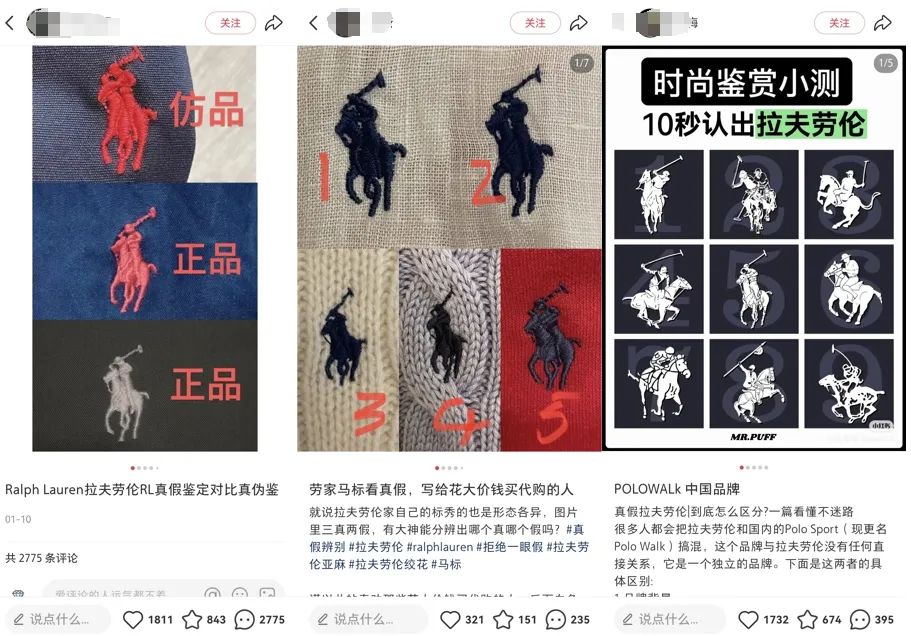
Core Insights - The article discusses the return of the American fast fashion brand Forever 21 to the Chinese market, highlighting a new phase in the agency business for overseas brands in China [1] - It emphasizes the shift from a traditional agency model to a more integrated and collaborative approach, termed "Agency 2.0," where agents are deeply involved in brand management and operations [2][3] Group 1: Market Dynamics - Forever 21 has partnered with Shanghai Chengdi Trading Co., which is partly owned by Vipshop, indicating a strategic move to leverage local expertise for market re-entry [1] - Leading agents are expanding aggressively, with companies like Tmall and Baoson E-commerce securing various brand agency rights, reflecting a new wave of agency activity [1] - The competition for brand agency rights is intensifying, with frequent changes in agency partnerships among popular brands [1] Group 2: Evolution of Agency Model - The transition from Agency 1.0 to Agency 2.0 signifies a move from merely providing shelf space to offering customized services that include brand image development and product innovation [2][3] - In the 1.0 era, agents focused on short-term profits, leading to issues like counterfeit products and damaged brand reputation, as seen with brands like Ralph Lauren and Kappa [3][4] - The 2.0 era sees agents acting as partners in brand operations, influencing product planning, pricing, and overall brand strategy [6][14] Group 3: Strategic Adjustments - Agents are now focusing on reshaping product lines and brand images to align with local consumer preferences, as demonstrated by Baoson E-commerce's efforts with GAP [7][11] - Pricing strategies are being adjusted to enhance brand value and consumer perception, with agents like Baoson reducing discount frequencies for GAP [11] - The development of localized supply chains and retail channels is crucial, with agents enhancing online and offline integration to improve customer retention and sales efficiency [13][14] Group 4: Performance Metrics - Baoson E-commerce reported a 4% increase in net revenue to RMB 2.1 billion, with brand management revenue growing by 23%, indicating the success of the new agency model [16][17] - Three夫户外 expects a significant profit increase of 65.14% to 144.65% in the first half of the year, showcasing the effectiveness of their agency strategies [16] Group 5: Challenges and Risks - Despite advancements, the agency model still faces challenges, including the inherent risks of dependency on brands and the potential for performance volatility [16][20] - Brands are cautious about granting too much control to agents, fearing a disconnect from market dynamics and consumer needs [20][21] - The ongoing tension between short-term profit motives and long-term brand value remains a critical issue in the agency relationship [21]