文创园区运营

Search documents
从生产车间到消费空间:沈阳工业老厂房里的新故事
Zheng Quan Ri Bao· 2026-02-24 15:44
Core Insights - The transformation of old industrial buildings in Shenyang into cultural and creative parks represents a significant shift towards integrating industrial heritage with modern creative industries, attracting both visitors and investment [1][5][7] Group 1: Transformation of Old Factories - Shenyang has successfully repurposed many old factories into vibrant cultural and creative parks, such as the Hongmei Cultural Park and the Iron Anchor 1956 Cultural Park, showcasing a blend of historical architecture and modern artistic elements [2][3] - The Hongmei Cultural Park, formerly a major seasoning factory, has attracted over 7 billion yuan in investment and is expected to receive over 4 million visitors by 2025, generating nearly 1.2 billion yuan in annual revenue [5][6] Group 2: Economic Impact - The revitalization of these old factories has led to the creation of over 1,500 jobs and has significantly increased foot traffic, with visitor numbers rising to 3-4 times the usual levels during special exhibitions [3][5] - The Shenyang Grain Warehouse Cultural Park has achieved a 95% occupancy rate, with diverse offerings including sports, art exhibitions, and creative markets, contributing to the local economy [4][5] Group 3: Future Development and Trends - The potential for industrial tourism is highlighted, with plans to incorporate advanced technologies like VR and AR to enhance visitor experiences and create themed tours [6] - Future developments in these cultural parks will include more diverse business types and events, such as music festivals and themed markets, to further attract visitors and enhance the parks' appeal [6][7]
从商代夯土、工业铁锈到魅力烟火
Zheng Zhou Ri Bao· 2026-01-15 00:52
Core Perspective - The transformation of industrial heritage sites in Zhengzhou reflects a blend of historical preservation and modern economic revitalization, showcasing the city's efforts to repurpose old factories and cultural sites into vibrant community spaces [1][2][3][4] Group 1: Industrial Heritage Transformation - The "磨街文创园" (Mojie Cultural and Creative Park) has repurposed the former Zhengzhou Abrasives Research Institute into a creative space, attracting around 2,200 jobs and over 120 new micro-entrepreneurial entities since its opening in October 2023 [2] - The renovation approach emphasizes preserving the original industrial aesthetics, with no trees cut or buildings demolished, maintaining the historical character of the site [2] - Similar projects, like "郑州记忆·油化厂" (Zhengzhou Memory Oil Chemical Plant), have also retained their original structures while introducing new business models, resulting in over 30,000 daily visitors [2] Group 2: Cultural Integration and Community Engagement - The "亳都·新象商业街区" (Bodu New Image Commercial Street) integrates modern commercial activities with historical elements, attracting over 100,000 visitors on its opening day and enhancing cultural identity among residents [3] - The blending of modern and traditional elements in these spaces creates a comfortable environment for community engagement, allowing residents to connect with their cultural heritage [3] - Ongoing projects like "塔湾古街" (Tawan Ancient Street) and "国棉三厂文化街区" (National Cotton Factory Cultural District) are expanding the vision for cultural and historical site revitalization in Zhengzhou [4]
老旧窑坊如何化身艺术地标
Ren Min Ri Bao· 2025-10-30 22:37
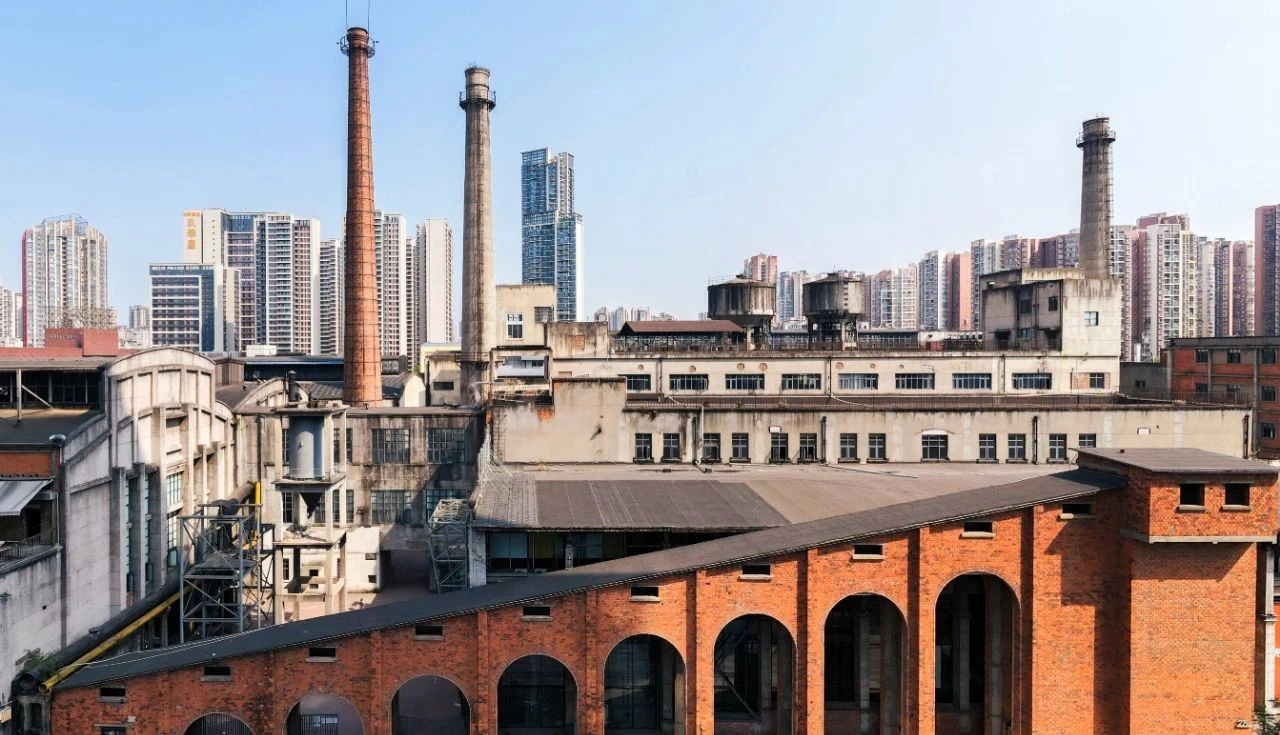
Core Insights - The article highlights the transformation of Jingdezhen's ceramic industry into a cultural hub, showcasing its potential to connect different civilizations through ceramics [1][2]. Group 1: Cultural Significance - Ceramics in Jingdezhen are described as a "world language" that serves as a bridge between different cultures [1]. - The "World Mayors Dialogue" event in Jingdezhen attracted mayors and guests from various countries, emphasizing the city's cultural importance [1]. Group 2: Transformation of Tao Xi Chuan - Tao Xi Chuan Creative District has been revitalized from old ceramic factories into a vibrant cultural area, attracting young artisans and creative entrepreneurs [2]. - The district covers an area of 400,000 square meters, equivalent to about 60 standard football fields, and hosts various markets and events throughout the year [1][2]. - The average age of artisans participating in the district's activities is 28, indicating a youthful demographic engaged in the creative economy [1]. Group 3: Historical Context - The area previously housed several old ceramic factories, which were closed in the late 1990s, prompting local efforts to revitalize the industrial space [2]. - The transformation involved preserving historical structures like old kilns and chimneys while repurposing factory spaces into galleries and creative platforms [2].
独家对话“最强幕后天团”:东郊记忆如何再进化?
Mei Ri Jing Ji Xin Wen· 2025-07-03 13:51
Core Insights - The article highlights the evolution of the Dongjiao Memory cultural park in Chengdu, emphasizing its role as a significant contributor to the city's economic vitality and cultural creativity [3][4][11]. Group 1: Economic and Cultural Impact - Dongjiao Memory has become a key player in Chengdu's cultural industry, attracting over 40,000 visitors and generating sales exceeding 2 million yuan on the opening day of the Brandy Melville store [3]. - The park has hosted 400,000 visitors in nearly a year since the opening of the Lang Art Museum, and the immersive Han culture dining show "Shu Yan Fu" has achieved a 90% attendance rate for its performances [3][4]. - The park's development reflects a deeper engagement with urban renewal and cultural trends, focusing on human needs and balancing economic and cultural influences [3][4]. Group 2: Strategic Development - The management team at Dongjiao Memory emphasizes the importance of a long-term growth strategy and the need for patience and understanding of commercial principles [11]. - The park aims to evolve from a tourist destination to a nationally influential cultural and industrial center, aligning with the city's ambitions [11][12]. - The operational strategy includes creating diverse consumption and cultural scenarios, which are essential for the park's continuous evolution [11][12]. Group 3: Design and Community Engagement - The design philosophy prioritizes human scale and experience, aiming to transform the space from a cold factory into a warm, inviting urban environment [12][14]. - The park's transformation is not just about physical space but also about fostering a cultural and artistic environment that resonates with the community [14][15]. - The management believes that good design should allow for flexibility and adaptation to market demands and community needs [14][15]. Group 4: Future Vision and Market Position - Dongjiao Memory is positioned as a hub for emerging brands and cultural trends, reflecting local community growth and cultural confidence [18][20]. - The park has seen a 15.6% increase in visitor numbers during the recent May Day holiday, with over 600,000 visitors [17]. - The management envisions Dongjiao Memory as a space that transcends mere consumption, aiming to create a genuine living environment and a central cultural district in Chengdu [22][20].

四川成都青羊区:老厂房变新潮文创园 企业入驻率超90%
Huan Qiu Wang· 2025-06-23 03:53
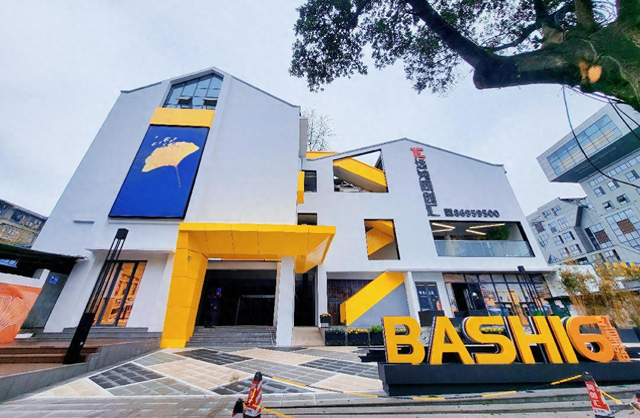
Core Viewpoint - The transformation of the old factory into a creative industry park, Yuanhong Tongchuanghui, has achieved over 90% occupancy and has become a popular destination for citizens in Chengdu, showcasing a blend of tradition and modernity [1][3]. Group 1: Development and Transformation - Yuanhong Tongchuanghui occupies 12,000 square meters and was formerly known as the Southwest Lighting City, which became abandoned due to urbanization and industrial restructuring [3]. - The park was revitalized in 2023 as part of the Qingyang District's building renewal plan, emphasizing the integration of old factory aesthetics with contemporary design [3]. - The project is positioned as a "small and beautiful" creative industry park, differentiating itself from larger office buildings [3][5]. Group 2: Design and Aesthetics - The design incorporates vibrant colors and maintains the original layout of the old factory while introducing modern elements, creating a unique visual appeal [5]. - A notable feature is a 20-meter tall ginkgo tree in the courtyard, which inspired the design and color scheme of the building [5]. - The park includes open office spaces, greenery, and shared facilities, promoting a relaxed and enjoyable working environment [5][8]. Group 3: Services and Community Engagement - Yuanhong Tongchuanghui has upgraded its property services to focus on comprehensive support for resident companies, including dedicated service managers and 24/7 assistance [8][9]. - The park conducts regular satisfaction surveys and provides thoughtful amenities, such as safety measures and loyalty programs for service discounts [8][9]. - Collaboration among businesses within the park fosters a community atmosphere, enhancing the overall experience for employees and encouraging local commerce [11].
来京西古村邂逅春天!金隅琉璃文创园成微度假胜地
Bei Jing Ri Bao Ke Hu Duan· 2025-05-04 13:07
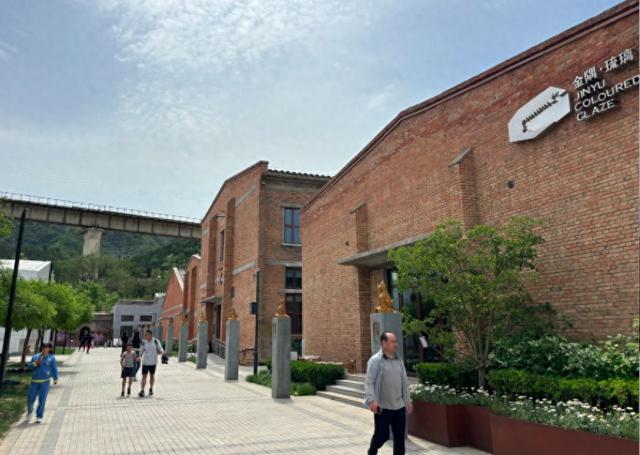
Group 1 - The article highlights the popularity of Liuliqu Village in Mentougou District during the May Day holiday, attracting many visitors to the Jinju Liuli Cultural Park for the "Spring Flower Appreciation" event [1] - Visitors enjoy a vibrant atmosphere with various Liuli (glazed) exhibits and cultural displays, creating an immersive experience of Liuli culture [1] - The park features a variety of activities, including a themed cultural market showcasing floral elements in products, which appeals to families and children [3][5] Group 2 - The cultural market offers a wide range of floral-themed creative products, including flower vessels and floral dining options, enhancing the visitor experience [3] - The park remains busy throughout the day, with live performances and dining options available, contributing to a lively atmosphere [5][6] - Many visitors choose to stay overnight in local accommodations, indicating a trend towards short-term leisure stays in the area [8]