文化设施运营

Search documents
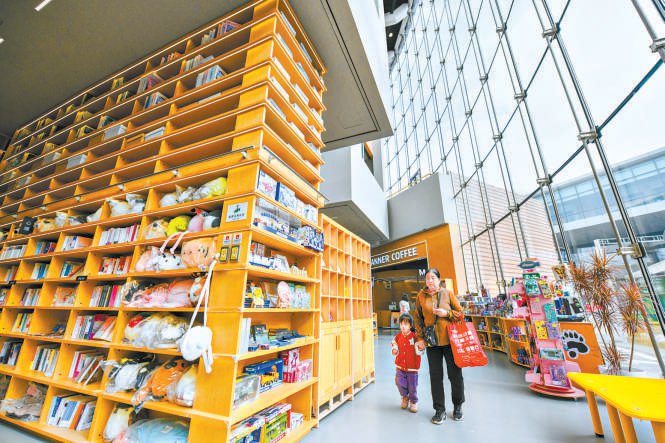
回天8年新添152处公共文化设施
Xin Lang Cai Jing· 2025-12-23 22:11
Core Insights - The article highlights the successful implementation of the "Huitian Action Plan," which has significantly improved public cultural facilities in the Huitian area over the past eight years, resulting in a substantial increase in cultural service accessibility for residents [1][2] Group 1: Cultural Infrastructure Development - Over the past eight years, the Huitian area has established 152 public cultural facilities, increasing the cultural facility building area by 84,000 square meters, and raising the per capita public cultural facility area from 0.04 square meters to 0.16 square meters [1] - The "15-minute cultural service network" has been formed, providing residents with convenient access to cultural activities [2] - The Tian Tong Yuan Cultural Art Center, which opened in May 2021, has hosted over 2,600 events and served more than 4.21 million visitors, demonstrating a successful model of socialized operation of public facilities [1] Group 2: Community Engagement and Cultural Activities - The "Huitian Spring Festival Gala" incorporates local elements and attracts participation from various age groups, enhancing community engagement [3] - The first "Huitian Midsummer Performance Season" featured over 100 cultural activities, allowing residents to experience high-quality art close to home [3] - The "City Reception Hall" in Huilongguan has hosted over 500 public cultural events since its opening in July 2022, catering to diverse age groups and promoting cultural heritage [3] Group 3: Resident Satisfaction and Service Optimization - A third-party survey indicates that the cultural satisfaction score of residents in the Huitian area has increased from 5.59 in 2018 to 8.34 in 2023, marking a 49.2% increase, with convenient cultural services being a key factor [4] - Digital reforms have improved service efficiency, with 11 libraries and 27 self-service machines facilitating over 200 million reader services annually [4] - Future plans include optimizing cultural facilities and activities to create a more user-friendly cultural environment for all age groups [4]

喧宾夺主还是烟火气?深圳一网红地标招牌被吐槽“出戏”
Nan Fang Du Shi Bao· 2025-12-18 07:02
Core Viewpoint - The recent installation of a bright yellow sign for "Shunde Fishing Village" on the modern architectural landmark "Bay Area Eye" in Shenzhen has sparked public debate regarding its aesthetic impact on the building's design and overall urban landscape [1][2][3] Group 1: Public Reaction - Citizens have expressed disappointment over the new sign, describing it as a disruption to the building's modern aesthetic and likening it to a "diner's atmosphere" that feels out of place [2][3] - Many residents have taken to social media to voice their concerns, with some even suggesting they would like to file complaints regarding the sign's placement [2][3] Group 2: Architectural and Cultural Significance - "Bay Area Eye," a significant cultural facility covering 131,000 square meters, aims to redefine the concept of physical reading spaces by integrating books, technology, culture, and tourism [3] - The building has quickly become a popular destination for residents since its opening on September 26, marking a leap in public cultural service capabilities in Shenzhen [3] Group 3: Urban Planning Perspectives - Urban planning experts emphasize the need for commercial signage to harmonize with the overall cityscape, particularly on landmark buildings, while also considering the practical needs of businesses [4] - The operator of "Bay Area Eye" has responded to public concerns, stating that the new restaurant aims to create an immersive dining experience that blends local culture with modern aesthetics [4] Group 4: Balancing Commercial and Cultural Values - The controversy highlights the tension between commercial operations and public aesthetics, reflecting the citizens' sense of ownership and pride in their urban environment [5] - Experts argue that urban landmarks should balance commercial success with cultural integrity, ensuring they resonate with the community's identity [5]
“湾区之眼”外挂招牌引争议 运营方:探索丰富多元业态
Nan Fang Du Shi Bao· 2025-12-18 06:57
Core Viewpoint - The recent installation of a bright yellow sign for a restaurant at the "Bay Area Eye," a prominent cultural landmark in Shenzhen, has sparked public debate over its aesthetic impact on the building's modern design [1][2]. Group 1: Public Reaction - Many citizens have expressed disappointment, stating that the new sign disrupts the architectural beauty of the building, which is known for its minimalist and streamlined design [2]. - Comments on social media reflect a strong sentiment against the sign, with some users suggesting that it diminishes the building's cultural significance and likening it to a "street food stall" [2][3]. - There is a call among residents for the management to consider the integration of commercial signage with the surrounding environment, emphasizing the need for aesthetic harmony in cultural districts [2][4]. Group 2: Architectural and Cultural Significance - The "Bay Area Eye" spans 131,000 square meters and aims to redefine physical reading spaces by integrating books, technology, culture, and tourism, positioning itself as a cultural hub in Shenzhen [3]. - As a new landmark representing Shenzhen's commitment to public cultural services, it has quickly become a popular destination since its opening on September 26 [3]. Group 3: Operational Response - The management of the "Bay Area Eye" has responded to public concerns, stating that the new restaurant, "Taste of Lingnan - Shunde Village," aims to create an immersive dining experience that blends local culture with modern aesthetics [6]. - This initiative is part of a broader strategy to diversify the cultural offerings within the landmark, enhancing its role as a multi-faceted cultural and commercial space [6]. Group 4: Expert Opinion - An academic expert noted that the controversy highlights the tension between commercial interests and public aesthetics, reflecting the citizens' strong sense of ownership over their urban environment [7]. - The expert emphasized the importance of balancing commercial viability with cultural integrity in landmark developments, suggesting that public spaces should resonate with the community's values and aesthetics [7].
深圳湾文化广场:打造一座具有全球影响力的设计文化综合体
Zhong Guo Fa Zhan Wang· 2025-11-05 06:57
Core Insights - Shenzhen Bay Cultural Plaza officially opened on November 1, representing a new cultural vision for Shenzhen and aims to become a global hub for design and cultural exchange [1][2] Group 1: Project Overview - The plaza is a significant cultural facility invested in by the Shenzhen government, designed by MAD Architects, and operated by China Resources Land [1] - It encompasses four main functional areas: design art exhibitions, a future design academy, multicultural spaces, and cross-disciplinary social hubs [1] Group 2: Strategic Partnerships - The plaza has signed cooperation agreements with several prestigious institutions, including the London Design Museum and the Tate Gallery, to foster international cultural dialogue [2] - Strategic partnerships with Chinese organizations aim to integrate traditional crafts with contemporary design, promoting Chinese design on a global stage [2] Group 3: Exhibition Highlights - The opening features a series of permanent and thematic exhibitions, showcasing a comprehensive design ecosystem from historical to contemporary works [3] - Collaborations with international museums will present exhibitions that highlight global design trends and innovations [3] Group 4: Community Engagement - The opening included interactive cultural events and performances, enhancing community involvement and promoting a vibrant cultural atmosphere [6] - The plaza has initiated a "Trial Operation Experience Officer Program" to engage the public in its early stages, allowing for limited access through a reservation system [7] Group 5: Future Vision - The plaza aims to establish a sustainable design education system through its "Future Design Academy," offering workshops and courses to the public [2] - As Shenzhen's designation as a "City of Design," the plaza's opening marks a significant step in the city's cultural journey and its commitment to design innovation [7]