日用制品业

Search documents
哈尔斯:11月17日召开董事会会议
Mei Ri Jing Ji Xin Wen· 2025-11-17 10:47
Group 1 - The company Hars (SZ 002615) announced that its 19th board meeting of the sixth session was held on November 17, 2025, via telecommunication voting, where it reviewed the proposal to adjust the members of the remuneration and assessment committee [1] - For the first half of 2025, Hars reported that its revenue composition was 98.06% from cup and pot products and 1.94% from other businesses [1] - As of the report date, Hars has a market capitalization of 3.9 billion yuan [1]

暂停加征关税再延期,外贸企业怎么样了?
第一财经· 2025-08-13 02:51
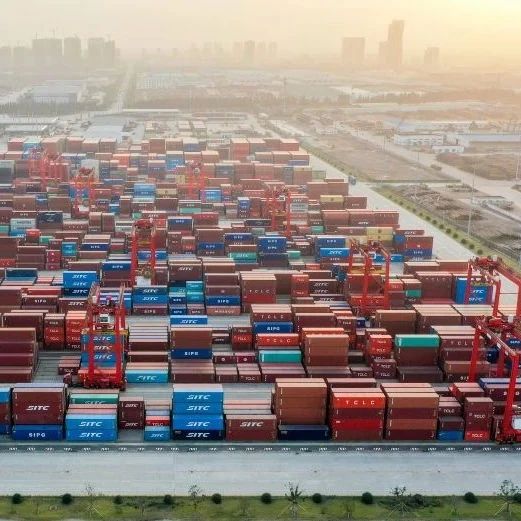
Core Viewpoint - The recent extension of the suspension of the 24% tariff increase between China and the U.S. is seen as a positive signal for trade stability and global economic growth, despite ongoing uncertainties in international trade and geopolitical conflicts [3]. Export Orders Recovery - A Jiangsu automotive parts exporter reported that orders to the U.S. have remained stable this year, although high tariffs continue to exert cost pressure on businesses [5]. - Shanghai-based Silede Industrial Co. stated that their U.S. orders have recovered to about 80%, thanks to established brand recognition, while a Zhejiang kitchenware exporter noted a 20% decline in U.S. orders [6]. - Customs data indicated that China's exports to the U.S. fell by 21.7% year-on-year in July, with the high tariffs and uncertainty leading to a cautious approach from buyers [6][7]. Supply Chain and Long-term Strategies - Companies are adapting to tariff fluctuations by enhancing efficiency and potentially passing some costs to consumers, although this impacts profit margins [7]. - The recent tariff suspension has led to increased orders from U.S. clients as they stock up during the 90-day window [7]. - Despite the short-term strategies, companies are focusing on long-term international supply chain development and local investments to enhance competitiveness [10]. Regional Trade Dynamics - The U.S. has imposed varying tariffs on different countries, prompting a need for stricter product origin requirements and accelerating regional integration efforts among non-U.S. regions [11]. - China's exports to ASEAN and other emerging markets have increased, compensating for the decline in U.S. exports, with total exports growing by 6.1% in the first seven months of the year [11][12]. Industry Transformation - The focus on diversifying markets and production locations is becoming more pronounced, with an emphasis on reducing dependency on single markets [12]. - High-tech product exports, such as integrated circuits, have shown significant growth, indicating a shift towards higher value-added and innovative products [12].