智能无人体系

Search documents
“十五五”全域智能无人体系新场景培育与发展战略趋势预判专项报告
Xin Lang Cai Jing· 2026-01-19 13:16
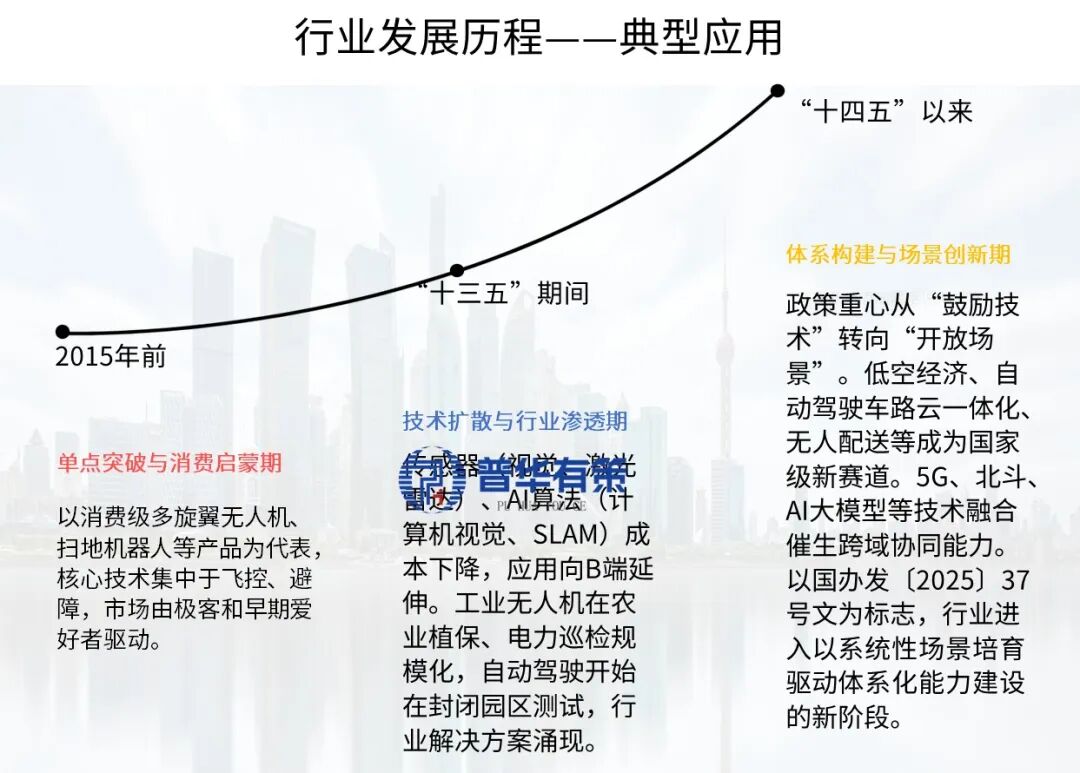
Industry Overview - The all-domain intelligent unmanned system is a complex system integration based on AI, IoT, big data, and cloud computing, encompassing unmanned equipment, supporting infrastructure, data platforms, standards, and business models [1][18] - It serves as a strategic industrial ecosystem that drives the large-scale commercialization of new technologies and products, essential for cultivating new productive forces [1] Policy Environment Analysis - Since the "14th Five-Year Plan," especially by 2025, there has been a strategic shift in the policy environment, emphasizing "new productive forces" and promoting innovation driven by application scenarios [3][20] - The policy focus has transitioned from merely encouraging technology R&D to a systematic deployment that includes technology breakthroughs, scenario opening, standard formulation, infrastructure construction, and safety regulation [3][20] Key Policies - Various policies have been introduced, such as the "Artificial Intelligence + Manufacturing" action plan, which aims to integrate AI technology into major equipment and promote the development of unmanned systems [5][21] - The 2025 Central Economic Work Conference emphasized the importance of technological innovation in leading the modernization of the industrial system, injecting strong policy momentum into strategic emerging industries, including all-domain unmanned systems [5][21] Industry Chain Analysis - China has established the most complete and active all-domain unmanned system industry chain globally, with core upstream components like high-end chips and precision sensors still being a vulnerability [6][22] - The midstream sector is highly competitive, with companies transitioning from hardware manufacturers to comprehensive solution providers that integrate hardware, software, services, and data [6][22] Competitive Landscape - The current competitive landscape features a dominant player, DJI, leading the consumer and industrial drone markets, supported by strong technology, brand, and supply chain advantages [7][23] - Major tech giants like Baidu and Huawei form a strong competitive group, leveraging their foundational technology advantages in AI, cloud computing, and communication [7][23] Key Drivers of Industry Development - The national strategy of developing new productive forces is a significant driver, with government support for scenario opening and project trials acting as catalysts for industry growth [8][24] - The integration of AI large models has reached a critical point, enhancing the cognitive and decision-making capabilities of unmanned systems [9][25] - There is a strong macroeconomic and social demand for automation and intelligent solutions due to changes in population structure and rising labor costs [10][26] - The capital market shows long-term interest in hard technology and future industries, providing essential funding for R&D and accelerating industry consolidation [11][27] - New market spaces created by innovative scenarios, such as low-altitude economy and eVTOL, are expected to drive significant growth [12][28]

全空间智能无人体系建设,横琴有大动作!
Nan Fang Du Shi Bao· 2025-11-14 19:17
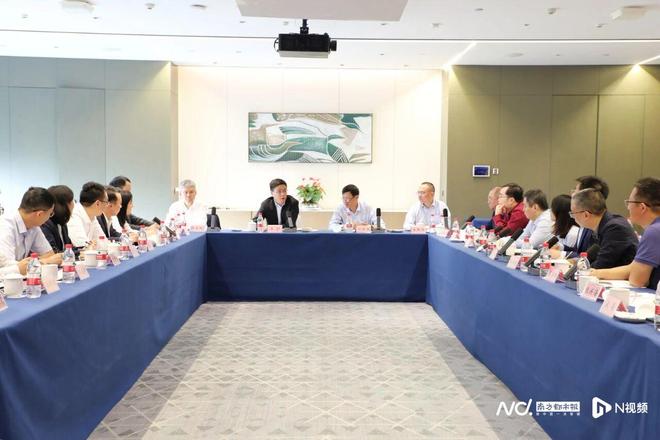
Core Viewpoint - The launch of the all-space intelligent unmanned system innovation application demonstration project in the Hengqin Guangdong-Macao Deep Cooperation Zone marks the full implementation phase of this key demonstration project [1][3]. Group 1: Project Overview - The project aims to promote the application and standardization of all-space unmanned systems across various sectors, including cultural tourism, government services, logistics, and satellite services, as outlined in the State Council's implementation opinions released in November 2025 [3]. - The project is considered a significant national demonstration project, emphasizing the need for strong execution and collaboration among state-owned enterprises to ensure its success and establish benchmarks for future projects [3]. Group 2: Project Goals and Responsibilities - Hengqin Deep Cooperation Zone Investment Co., Ltd. announced the project bid and outlined four key requirements for participating units: to embrace national missions, ensure safety, focus on integration between Hengqin and Macao, and enhance collaborative efforts [3][5]. - Representatives from participating units signed a responsibility agreement, committing to closely cooperate and ensure high-quality implementation of the project [5]. Group 3: Future Implications - The project is expected to inject new momentum into the high-quality development of the cooperation zone and provide a replicable model for the development of low-altitude economy and all-space intelligent unmanned systems in China [5].